

Everyone knows the “Miracle” story when Herb Brooks took on the challenge of working with a new hockey team and overcoming many obstacles to bring home the gold for the 1980 Winter Olympics.
Achieving greatness together does not come easy. Often leaders look at their colleagues and, even though they are in the same office, they might as well work for different companies. When you don’t exercise teamwork, the ultimate success of the organization is threatened.
Working alone is lonely work
When we work alone, we never accomplish as much as when we engage as a team. Conversation between leaders within an organization exhibits a specific terminology that interludes to whether they have a team around or not. The terminology “we” versus “I,” and positive versus negative.
Steps to building a great team
The ultimate goal of teamwork is to maximize an organization’s success. Here are some action steps to enhance team spirit in an organization:
- Take initiative within the group if team members are struggling to produce quality work. No more complaining, time to make the change needed.
- Build a foundation that will be the recipe for success. Determine who will be a positive contributor and who will not. This may require some changes in staffing and coaching others to reach their maximum potential.
- Purposefully and proactively invest in team members. This may vary for specific teams, but you should immediately address the development efforts that your team needs.
- Team leaders cannot be focused on personal gain. Sacrificing for the team communicates very loudly dissatisfaction with the status quo.
- Bring team building out of theory and into practice. Enjoy team members outside the office where stress of the job can be left behind. This may include, lunch with coworkers, golf outings, and taking key staff positions to leadership development conferences.
The benefit to your company
Creating a team atmosphere empowers staff to make better decisions. As a team matures, the need for direct supervision decreases.
Teamwork creates an ownership environment where team members work to make decisions without being told what to do. Wherever you are on the spectrum of teaming: exploring, developing or maximizing current teams, you have the potential for a significant, positive organizational impact.
Daniel Rundhaug is the executive director at Davenport University’s Institute for Professional Excellence. He excels in both leadership and management skill sets, being able to create and communicate visionary direction as well as implementing the necessary strategies to see the vision become a reality.
Share This Story!
Everyone knows the “Miracle” story when Herb Brooks took on the challenge of working with a new hockey team and overcoming many obstacles to bring home the gold for the 1980 Winter Olympics.
Achieving greatness together does not come easy. Often leaders look at their colleagues and, even though they are in the same office, they might as well work for different companies. When you don’t exercise teamwork, the ultimate success of the organization is threatened.
Working alone is lonely work
When we work alone, we never accomplish as much as when we engage as a team. Conversation between leaders within an organization exhibits a specific terminology that interludes to whether they have a team around or not. The terminology “we” versus “I,” and positive versus negative.
Steps to building a great team
The ultimate goal of teamwork is to maximize an organization’s success. Here are some action steps to enhance team spirit in an organization:
- Take initiative within the group if team members are struggling to produce quality work. No more complaining, time to make the change needed.
- Build a foundation that will be the recipe for success. Determine who will be a positive contributor and who will not. This may require some changes in staffing and coaching others to reach their maximum potential.
- Purposefully and proactively invest in team members. This may vary for specific teams, but you should immediately address the development efforts that your team needs.
- Team leaders cannot be focused on personal gain. Sacrificing for the team communicates very loudly dissatisfaction with the status quo.
- Bring team building out of theory and into practice. Enjoy team members outside the office where stress of the job can be left behind. This may include, lunch with coworkers, golf outings, and taking key staff positions to leadership development conferences.
The benefit to your company
Creating a team atmosphere empowers staff to make better decisions. As a team matures, the need for direct supervision decreases.
Teamwork creates an ownership environment where team members work to make decisions without being told what to do. Wherever you are on the spectrum of teaming: exploring, developing or maximizing current teams, you have the potential for a significant, positive organizational impact.
Daniel Rundhaug is the executive director at Davenport University’s Institute for Professional Excellence. He excels in both leadership and management skill sets, being able to create and communicate visionary direction as well as implementing the necessary strategies to see the vision become a reality.
Share This Story!
Stay connected!
Get the latest Davenpost News delivered to your inbox!
Related Stories
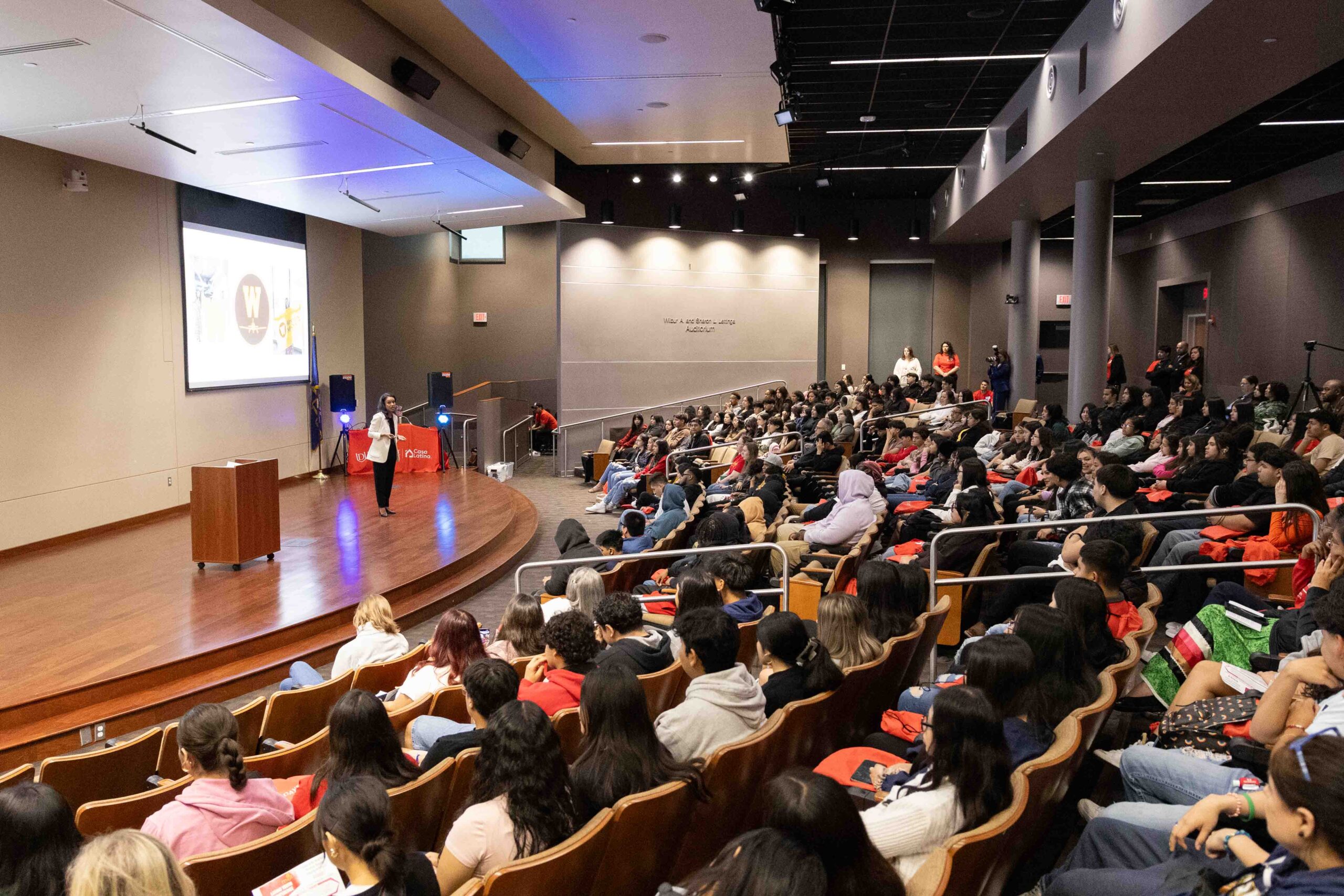
More than 200 Latino high school students from across the state recently descended on Davenport University’s Grand Rapids Lettinga Campus [...]
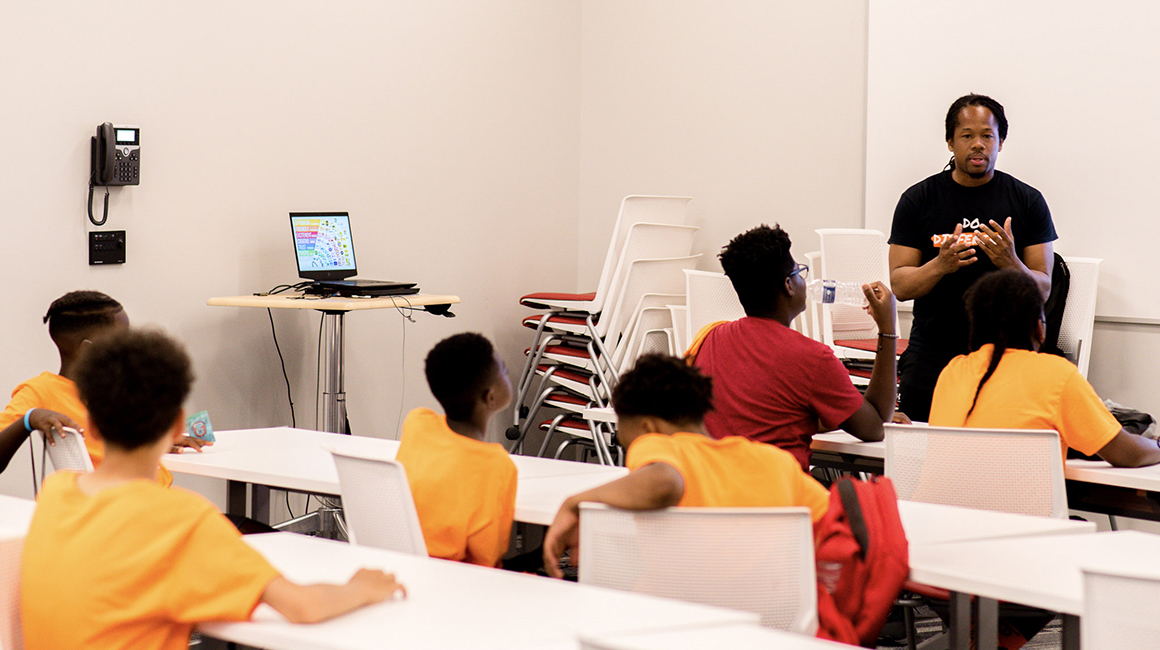
The summer months are a time for many students to get caught up on their academic skills or build their [...]

Most college students entering the final phase of their educational journey are focused on finishing classes, graduating, and landing the [...]
Latest Stories
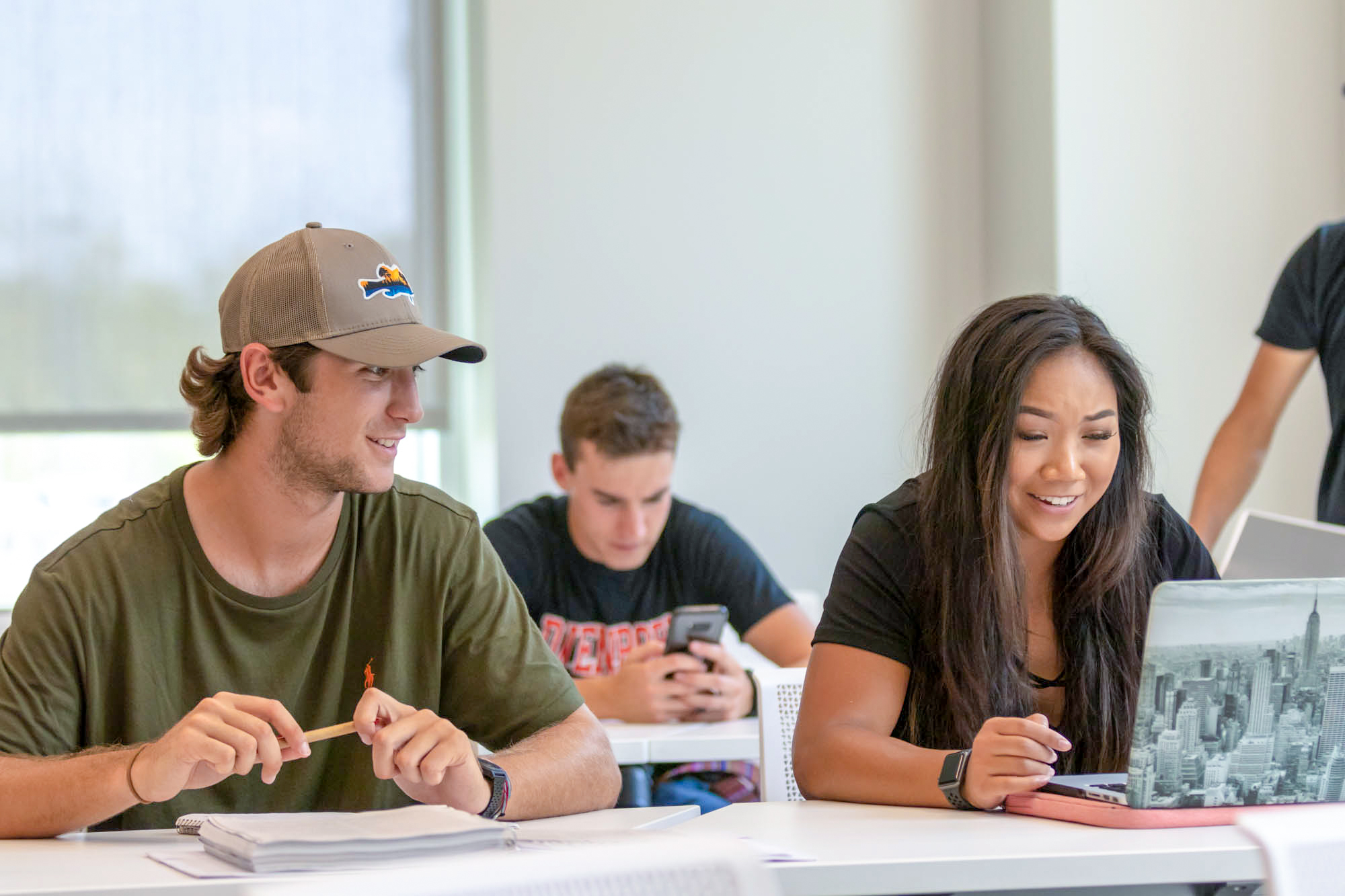
Davenport University is expanding its approach to career services. The unit is changing its name and focus to create more [...]

For Robin Ojo, continuing her education has always had to fit alongside a full life. Ojo was raising three children [...]
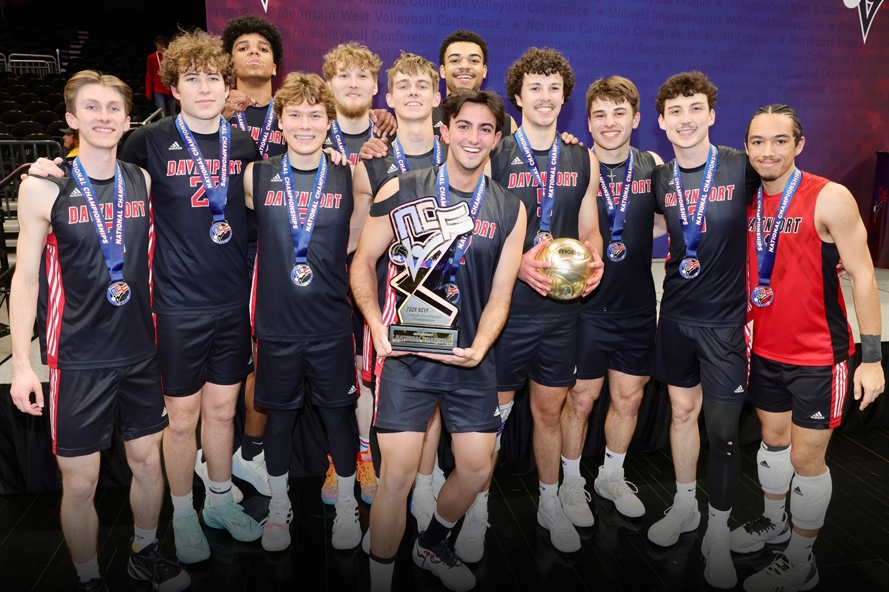
Davenport University’s men’s volleyball program has had its ups and downs and struggled to net the sport’s top prize, but [...]