
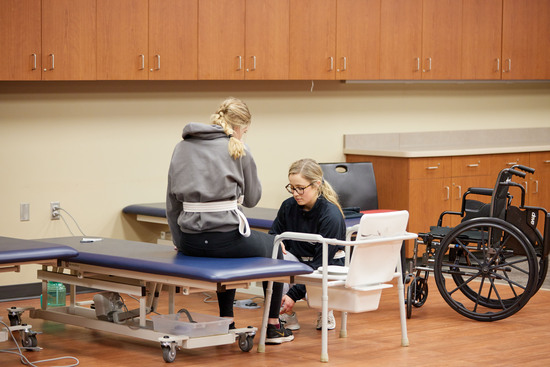
The United States is in the midst of a mental health crisis, with one in five Americans struggling with mental health issues each year, according to the National Center for Chronic Disease Prevention and Health Promotion. Now, more than ever, there is a great need for professionals who can help address these issues. That’s where Davenport University’s master of occupational therapy (MSOT) program comes in.
The MSOT program focuses on the physical aspect of a person’s recovery, but it doesn’t stop there. It also includes mental health training and education in its curriculum because of occupational therapy’s unique positioning – it’s a profession that treats people holistically and cares for their physical, mental and emotional well-being. At its core, Davenport’s program focuses on ways to support clients’ overall health challenges so they can once again take part in school, work, social activities, sports, hobbies and more.
Davenport will now be able to expand this critical work thanks to the $2 million Behavioral Health Workforce Education grant it received from the Health Resources and Services Administration. The grant will allow Davenport to educate its students to become comprehensive health care providers who can successfully address the physical and mental health needs of the community.
The grant benefits students financially as well. Students enrolled in the program can receive up to $10,000 from the grant- $5,000 for both of their three-month clinical field rotations to help offset the cost of their education.
According to Theresa Leto, director of Davenport’s MSOT program, the grant enables students to use their mental health expertise and obtain additional mental health skills in all practice areas, including schools, hospitals and nursing programs.
“The students provide mental health services in medical settings, as well as community settings, so by being in all these places, I think that we’re going to strengthen our mental health providers and positively impact the shortage,” Leto says.
Receiving the Behavioral Health Workforce Education grant is a big win for the university’s MSOT program, its students and the community as a whole. The influx of support will help elevate Davenport’s MSOT program to the next level, increase the number of behavioral health professionals who can provide much-needed assistance to medically underserved areas and ultimately address the growing mental health crisis.
For more information about Davenport’s degrees in occupational therapy, visit here to learn more.
Share This Story!
The United States is in the midst of a mental health crisis, with one in five Americans struggling with mental health issues each year, according to the National Center for Chronic Disease Prevention and Health Promotion. Now, more than ever, there is a great need for professionals who can help address these issues. That’s where Davenport University’s master of occupational therapy (MSOT) program comes in.
The MSOT program focuses on the physical aspect of a person’s recovery, but it doesn’t stop there. It also includes mental health training and education in its curriculum because of occupational therapy’s unique positioning – it’s a profession that treats people holistically and cares for their physical, mental and emotional well-being. At its core, Davenport’s program focuses on ways to support clients’ overall health challenges so they can once again take part in school, work, social activities, sports, hobbies and more.
Davenport will now be able to expand this critical work thanks to the $2 million Behavioral Health Workforce Education grant it received from the Health Resources and Services Administration. The grant will allow Davenport to educate its students to become comprehensive health care providers who can successfully address the physical and mental health needs of the community.
The grant benefits students financially as well. Students enrolled in the program can receive up to $10,000 from the grant- $5,000 for both of their three-month clinical field rotations to help offset the cost of their education.
According to Theresa Leto, director of Davenport’s MSOT program, the grant enables students to use their mental health expertise and obtain additional mental health skills in all practice areas, including schools, hospitals and nursing programs.
“The students provide mental health services in medical settings, as well as community settings, so by being in all these places, I think that we’re going to strengthen our mental health providers and positively impact the shortage,” Leto says.
Receiving the Behavioral Health Workforce Education grant is a big win for the university’s MSOT program, its students and the community as a whole. The influx of support will help elevate Davenport’s MSOT program to the next level, increase the number of behavioral health professionals who can provide much-needed assistance to medically underserved areas and ultimately address the growing mental health crisis.
For more information about Davenport’s degrees in occupational therapy, visit here to learn more.
Share This Story!
Stay connected!
Get the latest Davenpost News delivered to your inbox!
Related Stories

Quiana Scott ‘11 lived her life as a caregiver to her family and then to patients in the medical field [...]

ADHD, learning disabilities, food allergies and physical impairments. These are only a few examples of instances when Davenport University provides [...]

In this Fuel Your Future series, we profile six motivated students on their educational journey and learn how Davenport is [...]
Latest Stories

Photo: First-generation student and Tri-Alpha Honor Society member Julie Lian with her nieces Davenport University’s Tri-Alpha First-Generation Honor Society [...]
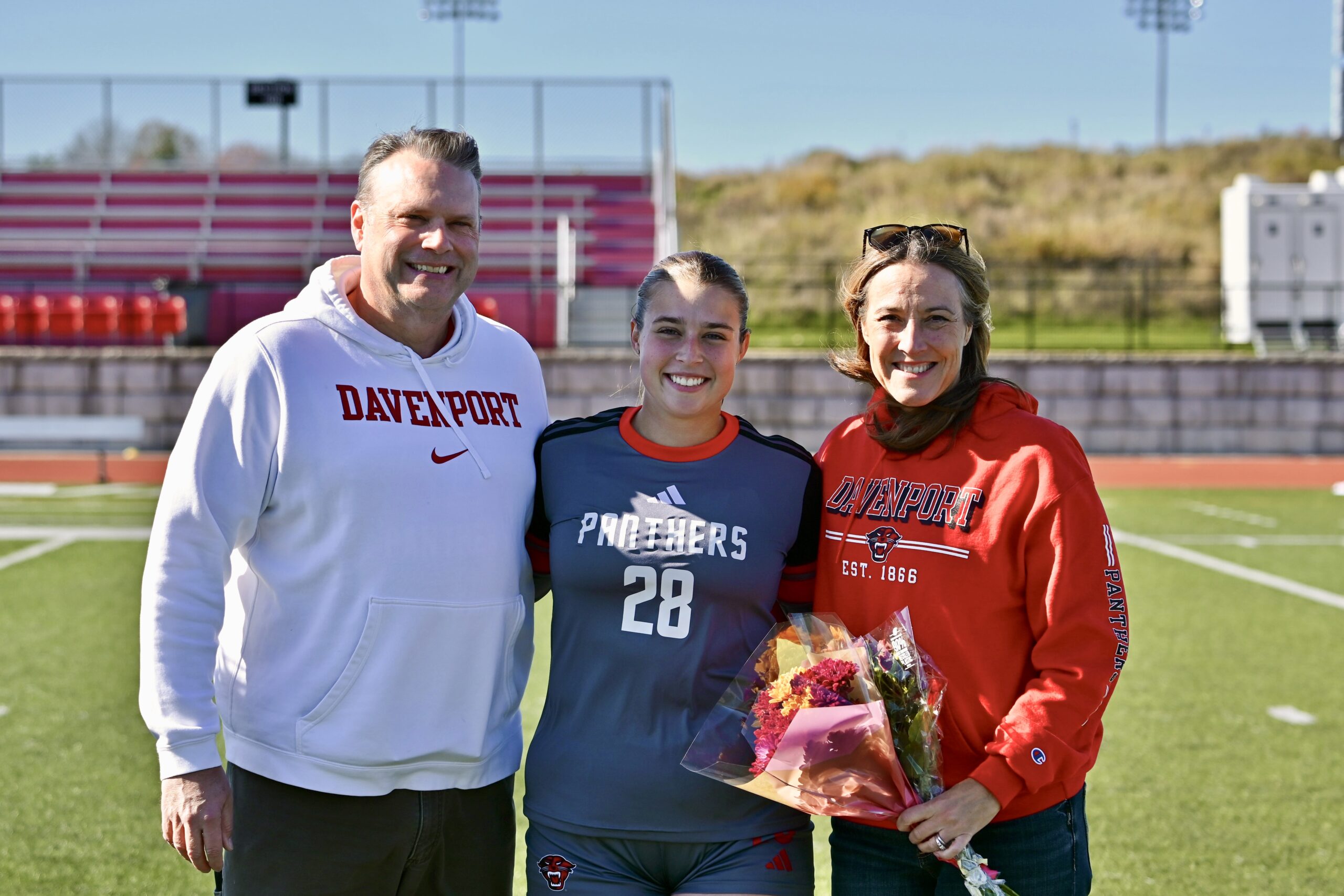
Sports has always been a passion for Davenport University senior Courtney Drew. So much so, she built involvement into all [...]
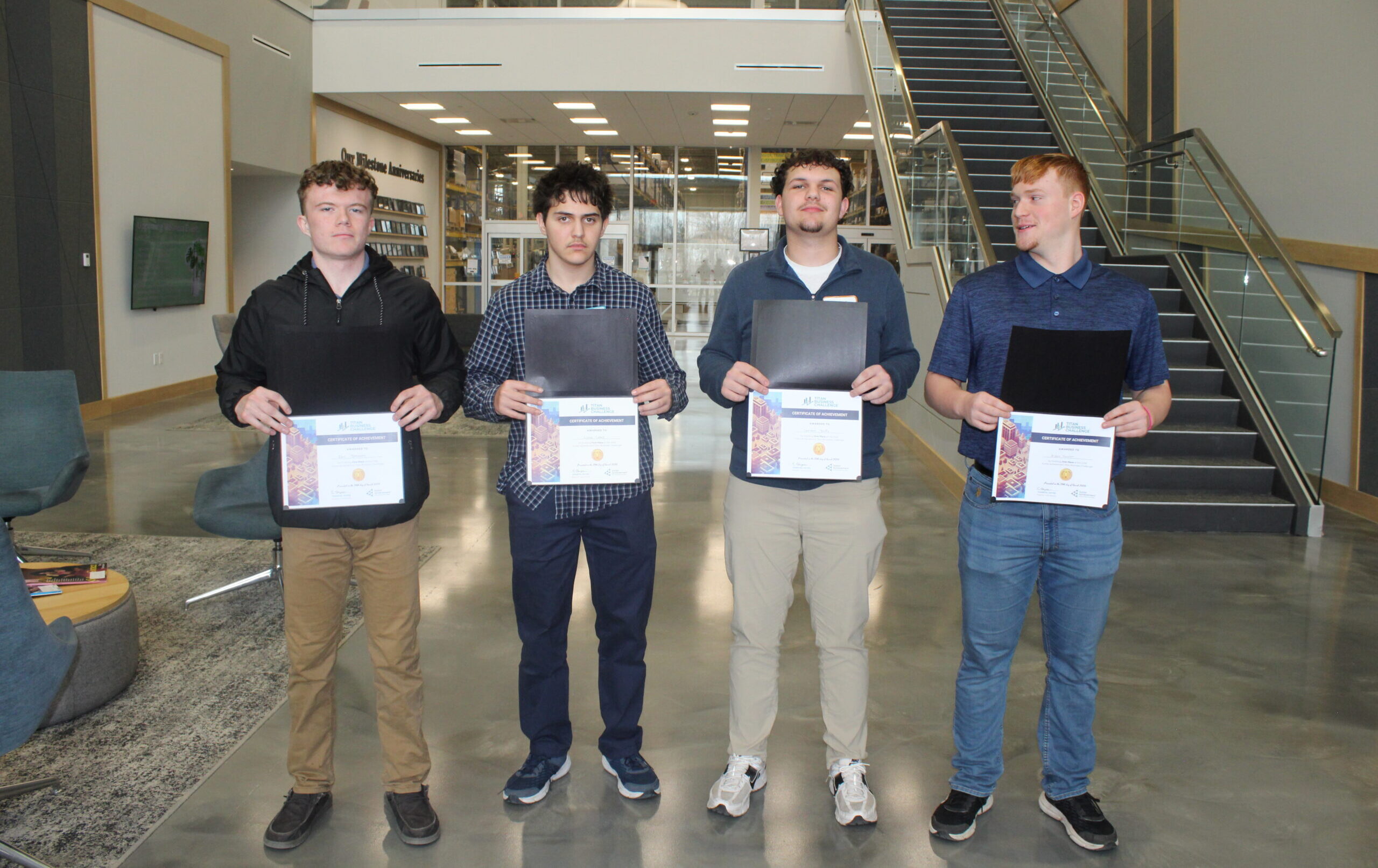
Nearly 60 high school students from across West Michigan recently participated in the Junior Achievement of the Michigan Great Lakes’ [...]