

The first libraries appeared over five thousand years ago and were made of clay tablets. Over time, these tablets became parchment scrolls, and finally the book format familiar to most of us. Before the printing press, books were hand-copied, making them very expensive and only available to the literate few. The invention of the printing press made books more widely available than ever before.
The first public library in the United States opened in 1833. Today, there are over 116,000 public and academic libraries in America. Through their many years of service, libraries have adapted to meet the challenges of changing times.
Libraries in Michigan closed their doors and became virtual in March 2020, as the state sought to reduce the spread of COVID-19. Luckily, most libraries were prepared. Trends that had been in place before the pandemic accelerated and are likely to stay in place as libraries look to the future.
Academic libraries, including the one at Davenport University, have been offering many digital services, even before the pandemic. With physical spaces closed, students relied exclusively on digital collections of eBooks and journal articles. Students became comfortable with Zoom meetings to obtain help with research questions, as well as using Chat and Ask-a-Librarian online services.
Libraries even produced short, how-to videos on a variety of subjects. These trends are likely to continue in a post-pandemic world.
Many public libraries in Michigan were also ready for the pivot to virtual services. Large eBook collections that had been available before the pandemic received even heavier usage. In-person book groups became virtual, as did formerly in-person programs and events with assistance from library staff. Curbside pick-up of print books became an important service for many patrons who preferred that format. Libraries became an important source of connection for many who were feeling cut off from the usual rhythm of their daily lives.
What will the future hold for libraries? Will they look different? Will they even need a physical presence? The library’s traditional function of housing and lending books has not gone away, in spite of many predictions about eBooks replacing print books. Many readers still prefer print but appreciate the convenience of e-readers and eBooks when traveling. The library’s physical space also remains popular. Students still value academic libraries as places to study, gather, and work on projects. Meeting rooms in public libraries are in demand for community groups and publicly available computers and printers are a valued resource.
Libraries of all types represent a commitment to lifelong learning. They strive to support and sustain all those who come to use their resources and services. The 21st century library carries on the tradition that was started so long ago and continues to adapt to meet the changing needs of individual patrons and the wider society.
Visit your local library or Davenport University’s library today and see what it has to offer. You might be surprised!
Share This Story!
The first libraries appeared over five thousand years ago and were made of clay tablets. Over time, these tablets became parchment scrolls, and finally the book format familiar to most of us. Before the printing press, books were hand-copied, making them very expensive and only available to the literate few. The invention of the printing press made books more widely available than ever before.
The first public library in the United States opened in 1833. Today, there are over 116,000 public and academic libraries in America. Through their many years of service, libraries have adapted to meet the challenges of changing times.
Libraries in Michigan closed their doors and became virtual in March 2020, as the state sought to reduce the spread of COVID-19. Luckily, most libraries were prepared. Trends that had been in place before the pandemic accelerated and are likely to stay in place as libraries look to the future.
Academic libraries, including the one at Davenport University, have been offering many digital services, even before the pandemic. With physical spaces closed, students relied exclusively on digital collections of eBooks and journal articles. Students became comfortable with Zoom meetings to obtain help with research questions, as well as using Chat and Ask-a-Librarian online services.
Libraries even produced short, how-to videos on a variety of subjects. These trends are likely to continue in a post-pandemic world.
Many public libraries in Michigan were also ready for the pivot to virtual services. Large eBook collections that had been available before the pandemic received even heavier usage. In-person book groups became virtual, as did formerly in-person programs and events with assistance from library staff. Curbside pick-up of print books became an important service for many patrons who preferred that format. Libraries became an important source of connection for many who were feeling cut off from the usual rhythm of their daily lives.
What will the future hold for libraries? Will they look different? Will they even need a physical presence? The library’s traditional function of housing and lending books has not gone away, in spite of many predictions about eBooks replacing print books. Many readers still prefer print but appreciate the convenience of e-readers and eBooks when traveling. The library’s physical space also remains popular. Students still value academic libraries as places to study, gather, and work on projects. Meeting rooms in public libraries are in demand for community groups and publicly available computers and printers are a valued resource.
Libraries of all types represent a commitment to lifelong learning. They strive to support and sustain all those who come to use their resources and services. The 21st century library carries on the tradition that was started so long ago and continues to adapt to meet the changing needs of individual patrons and the wider society.
Visit your local library or Davenport University’s library today and see what it has to offer. You might be surprised!
Share This Story!
Stay connected!
Get the latest Davenpost News delivered to your inbox!
Related Stories
Students from 12 high schools participated in the inaugural Nursing Camp at the Warren Campus in July. “We involved senior [...]
Today Davenport University and the Lansing Promise announced a new partnership to create more scholarships for Lansing students. Through this [...]

Pictured from left to right: Susan Crkovski, executive campus director-Warren; Davenport student Jeryn Washington, BSN Pre-Licensure program; Davenport student Manar [...]
Latest Stories
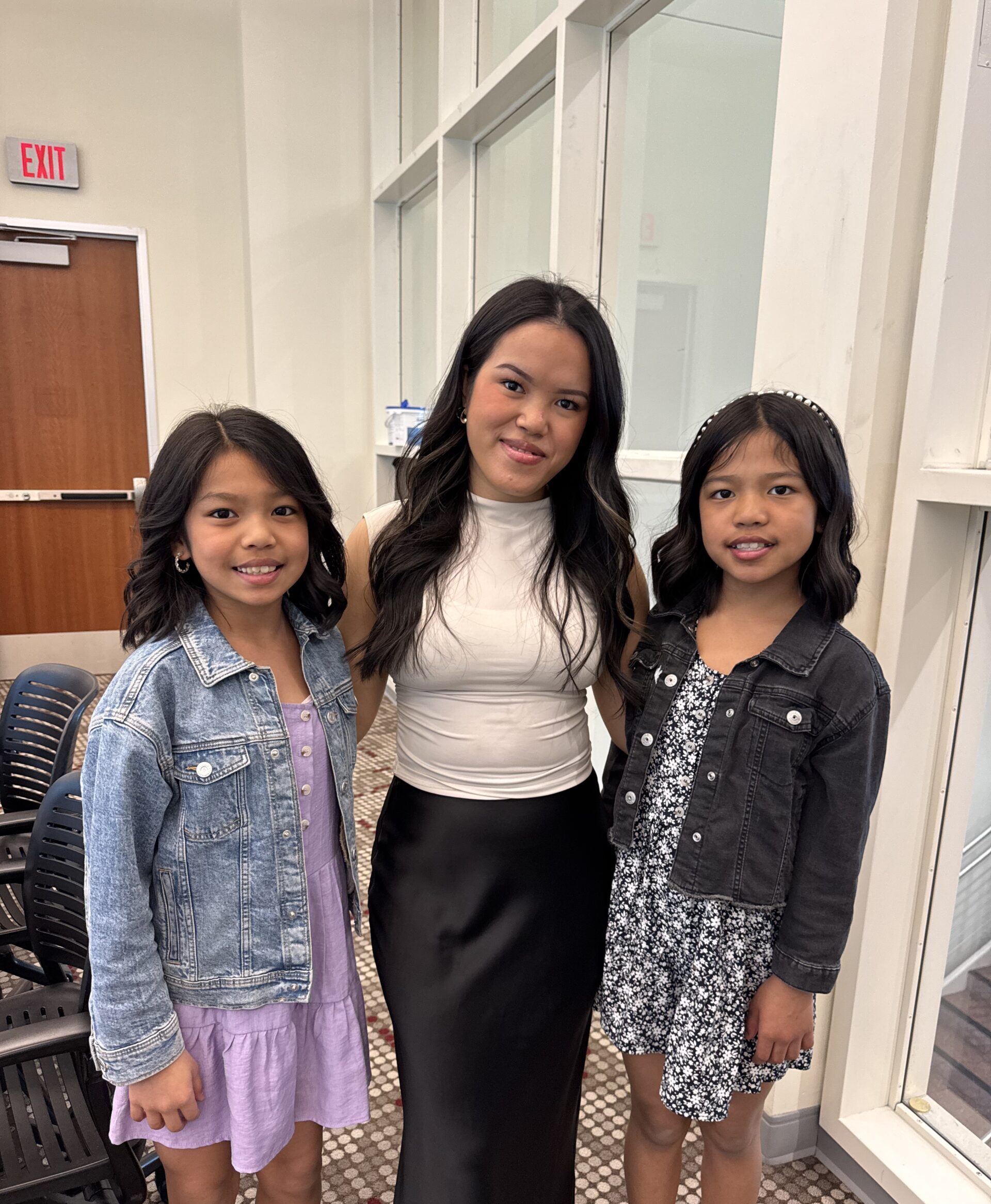
Photo: First-generation student and Tri-Alpha Honor Society member Julie Lian with her nieces Davenport University’s Tri-Alpha First-Generation Honor Society [...]

Sports has always been a passion for Davenport University senior Courtney Drew. So much so, she built involvement into all [...]
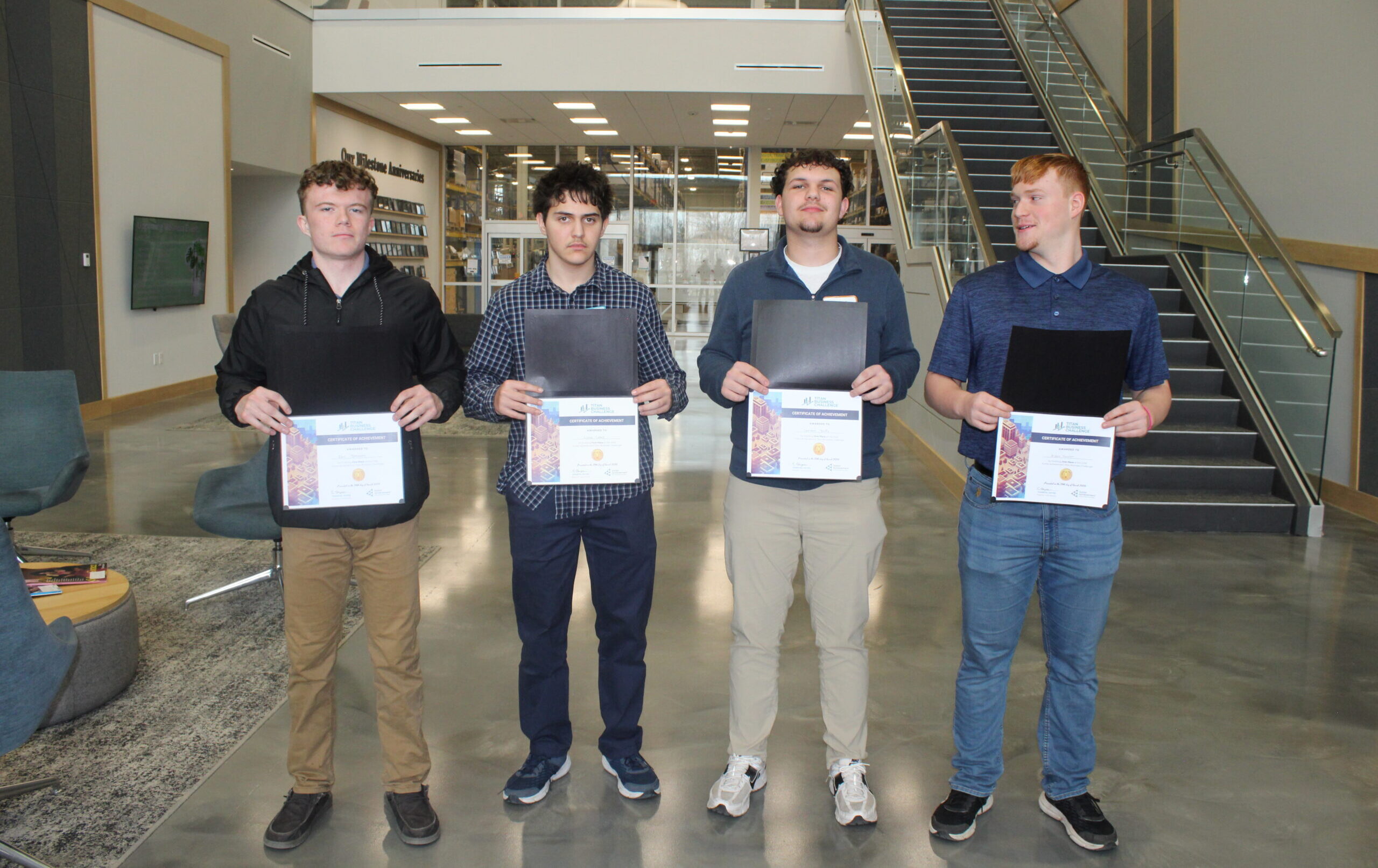
Nearly 60 high school students from across West Michigan recently participated in the Junior Achievement of the Michigan Great Lakes’ [...]