
The ultimate and beginners guide to creating a resume featured several tips on how to craft the perfect resume. Now, we are going to share how to create a traditional cover letter and a reference page to help show hiring managers how you are the one for the position.
Building the traditional cover letter
A cover letter serves as a writing sample for the employer and it shows your level of interest in the company and position. It is an opportunity to discuss your personality traits and transferable skills that are not as apparent on your resume. Your cover letter is a chance for you to brand yourself, while your resume serves as a document that tells whether you are qualified for the role.
Every job you apply for should have its own unique cover letter.
- Brand your cover letter with the same header as your résumé
- Use the date submitted
- Do your research to find address and correct contact
- Tell them you want what they have to offer
- State why you are uniquely qualified
- Make a direct ask for the interview or the position, and always say thank you
Building the comparison cover letter
If a traditional cover letter is not the right fit for the position you are applying for, try a comparison cover letter. This is a good option when applying to extremely large companies where documents are only skimmed. Also, if there is very little written communication in the job role choose a comparison cover letter.
Creating a reference list
A reference list is another document you should submit with your resume and cover letter. Oftentimes employers will request it, so it is good to have it ready when it is needed. You should include three to five professional references on a document separate from your résumé.
Make sure to use professional references only
- Check with each reference and ensure they are excited about being a reference for you — use those individuals as references
- Have your reference contact information up-to-date
- Send the job description to all references so they understand topics to cover and highlight about you
If you need any assistance creating these documents, or would like to practice an interview, contact Career Services. Your career coach is here to help you on your job search.
Share This Story!
The ultimate and beginners guide to creating a resume featured several tips on how to craft the perfect resume. Now, we are going to share how to create a traditional cover letter and a reference page to help show hiring managers how you are the one for the position.
Building the traditional cover letter
A cover letter serves as a writing sample for the employer and it shows your level of interest in the company and position. It is an opportunity to discuss your personality traits and transferable skills that are not as apparent on your resume. Your cover letter is a chance for you to brand yourself, while your resume serves as a document that tells whether you are qualified for the role.
Every job you apply for should have its own unique cover letter.
- Brand your cover letter with the same header as your résumé
- Use the date submitted
- Do your research to find address and correct contact
- Tell them you want what they have to offer
- State why you are uniquely qualified
- Make a direct ask for the interview or the position, and always say thank you
Building the comparison cover letter
If a traditional cover letter is not the right fit for the position you are applying for, try a comparison cover letter. This is a good option when applying to extremely large companies where documents are only skimmed. Also, if there is very little written communication in the job role choose a comparison cover letter.
Creating a reference list
A reference list is another document you should submit with your resume and cover letter. Oftentimes employers will request it, so it is good to have it ready when it is needed. You should include three to five professional references on a document separate from your résumé.
Make sure to use professional references only
- Check with each reference and ensure they are excited about being a reference for you — use those individuals as references
- Have your reference contact information up-to-date
- Send the job description to all references so they understand topics to cover and highlight about you
If you need any assistance creating these documents, or would like to practice an interview, contact Career Services. Your career coach is here to help you on your job search.
Share This Story!
Stay connected!
Get the latest Davenpost News delivered to your inbox!
Related Stories
Victoria Johnson has worked in the healthcare industry for nearly 18 years in various roles. She is not afraid to [...]
New nurses enter the profession because it can be challenging and extremely rewarding. Most people hear “nurse” and think of [...]
Tony McCutchen, Associate Department Chair Davenport University College of Technology What are three words you would use to describe yourself? [...]
Latest Stories
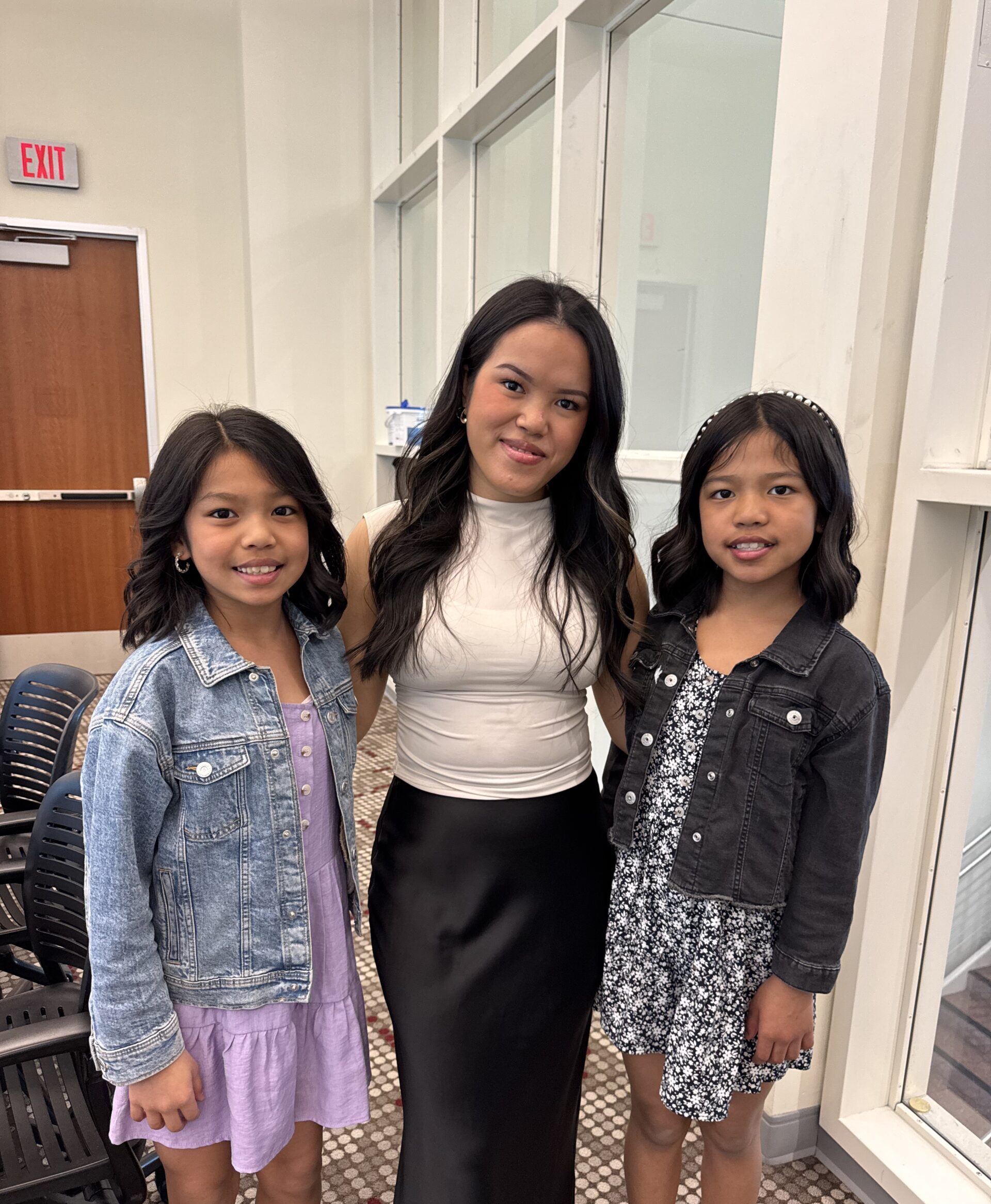
Photo: First-generation student and Tri-Alpha Honor Society member Julie Lian with her nieces Davenport University’s Tri-Alpha First-Generation Honor Society [...]
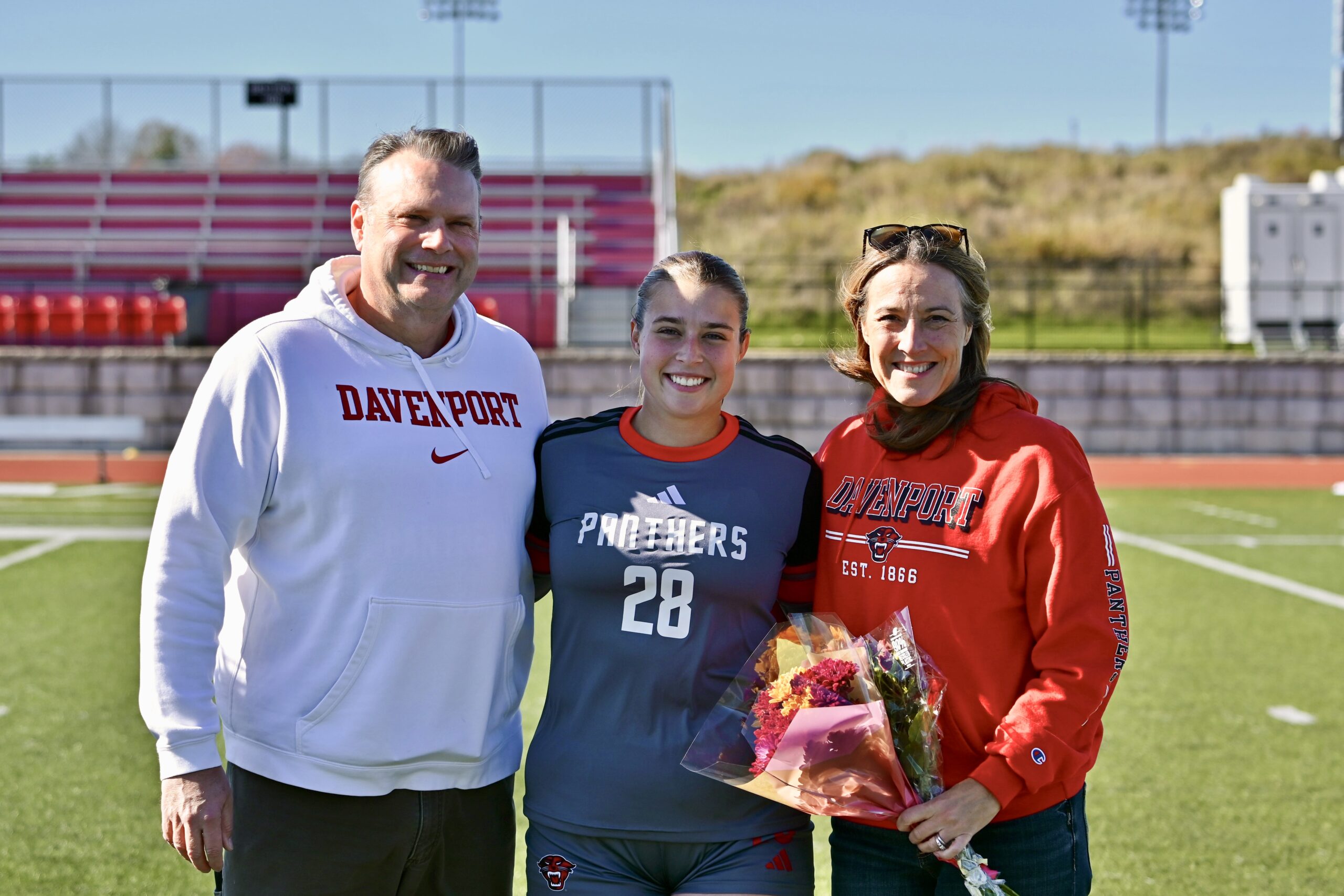
Sports has always been a passion for Davenport University senior Courtney Drew. So much so, she built involvement into all [...]
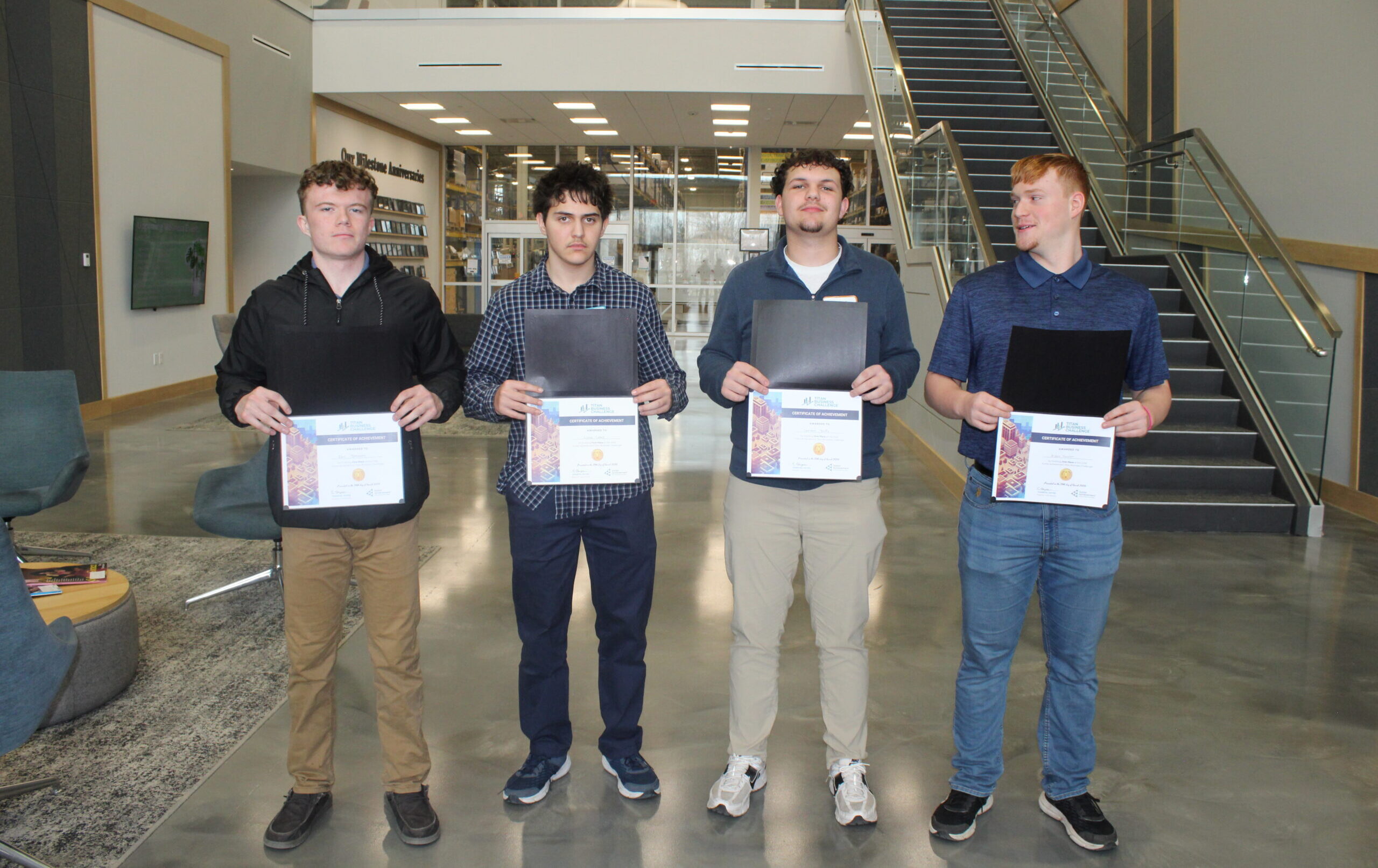
Nearly 60 high school students from across West Michigan recently participated in the Junior Achievement of the Michigan Great Lakes’ [...]