
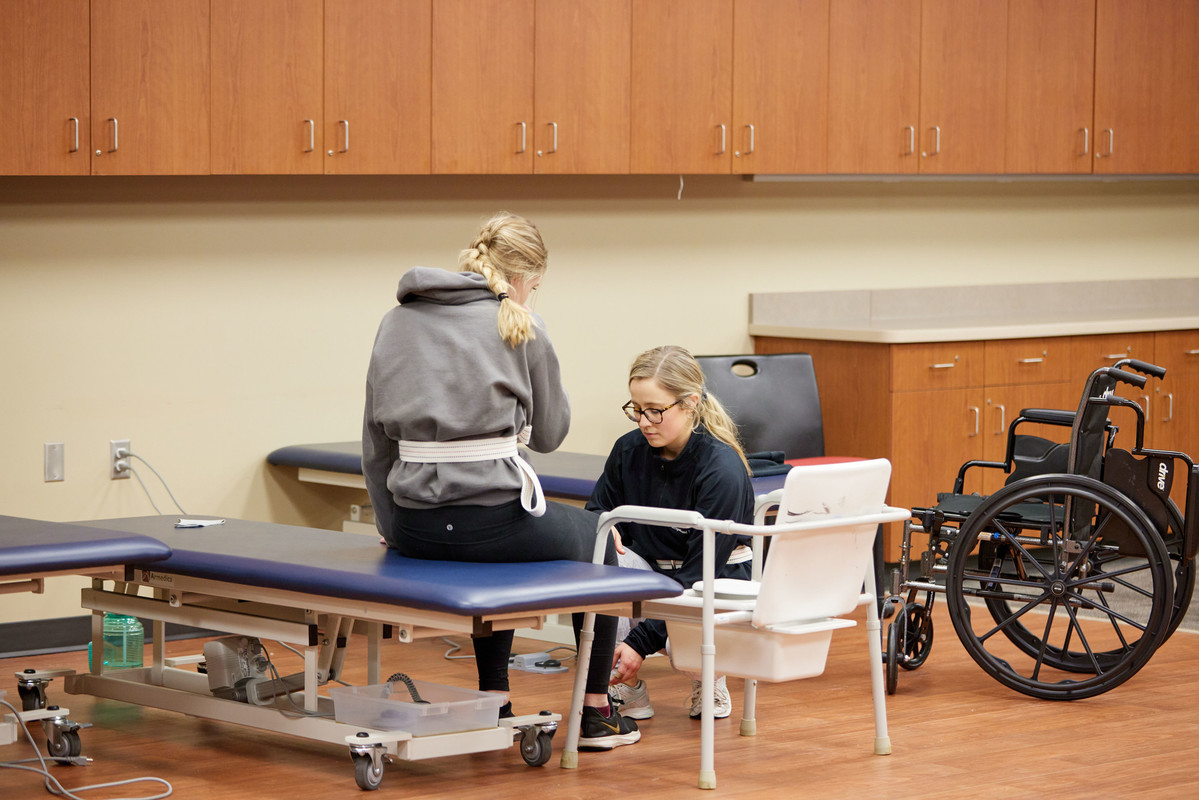
As Occupational Therapy Month comes to a close, 31 Master of Occupational Therapy Davenport University students are starting their careers, in part through the help of a recent grant from the Health Resources and Services Administration.
Through Davenport University’s Master of Occupational Therapy (MSOT) program, students are able to join the workforce faster, taking an accelerated path to reach their academic goals.
“Davenport is unique in the way they provide mentorship and hands-on opportunities to prepare students entering the clinical field,” said Rielly Shoemaker, MSOT graduate. “The program created a safe environment to learn and make mistakes, and the fieldwork allowed me to practice being a clinician in the real world. If it weren’t for this environment, I would not have developed into who I am today.”
The MSOT program focuses on the physical aspect of a person’s recovery, but it doesn’t stop there. It also includes mental health training and education in its curriculum because of occupational therapy’s unique positioning – it’s a profession that treats people holistically and cares for their physical, mental and emotional well-being.
One in five Americans struggle with mental health issues each year, according to the National Center for Chronic Disease Prevention and Health Promotion. At its core, Davenport’s program focuses on ways to support clients’ overall health challenges so they can once again take part in school, work, social activities, sports, hobbies and more.
The $2 million Behavioral Health Workforce Education grant Davenport received from the Health Resources and Services Administration allows Davenport to educate its students to become comprehensive health care providers who can successfully address the physical and mental health needs of the community. The grant allows Davenport to support students in a greater fashion by providing funding during their field rotations to make gaining an OT degree easier and more affordable. Through 2024, students enrolled in the program can receive up to $10,000 from the grant- $5,000 for both of their three-month clinical field rotations to help offset the cost of their education.
Davenport recently announced a five-year pathway into Occupational Therapy with its Health and Human Service Case Management undergrad to MSOT grad program that can be completed in just 5 years. It also offers an expedited pathway for Occupational Therapy Assistants to achieve both their bachelor’s and master’s degrees in just four years.
According to Theresa Leto, director of Davenport’s MSOT program, the grant enables students to use their mental health expertise and obtain additional mental health skills in all practice areas, including schools, hospitals and nursing programs.
“The students provide mental health services in medical settings, as well as community settings, so by being in all these places, I think that we’re going to strengthen our mental health providers and positively impact the shortage,” Leto says.
Davenport was the first university in Michigan to receive the Behavioral Health Workforce Education grant, a big win for the university’s MSOT program, its students and the community as a whole. The influx of support has helped elevate Davenport’s MSOT program to the next level, increase the number of behavioral health professionals who can provide much-needed assistance to medically underserved areas and ultimately address the growing mental health crisis.
For more information about Davenport’s degrees in occupational therapy, visit here to learn more.
Share This Story!
As Occupational Therapy Month comes to a close, 31 Master of Occupational Therapy Davenport University students are starting their careers, in part through the help of a recent grant from the Health Resources and Services Administration.
Through Davenport University’s Master of Occupational Therapy (MSOT) program, students are able to join the workforce faster, taking an accelerated path to reach their academic goals.
“Davenport is unique in the way they provide mentorship and hands-on opportunities to prepare students entering the clinical field,” said Rielly Shoemaker, MSOT graduate. “The program created a safe environment to learn and make mistakes, and the fieldwork allowed me to practice being a clinician in the real world. If it weren’t for this environment, I would not have developed into who I am today.”
The MSOT program focuses on the physical aspect of a person’s recovery, but it doesn’t stop there. It also includes mental health training and education in its curriculum because of occupational therapy’s unique positioning – it’s a profession that treats people holistically and cares for their physical, mental and emotional well-being.
One in five Americans struggle with mental health issues each year, according to the National Center for Chronic Disease Prevention and Health Promotion. At its core, Davenport’s program focuses on ways to support clients’ overall health challenges so they can once again take part in school, work, social activities, sports, hobbies and more.
The $2 million Behavioral Health Workforce Education grant Davenport received from the Health Resources and Services Administration allows Davenport to educate its students to become comprehensive health care providers who can successfully address the physical and mental health needs of the community. The grant allows Davenport to support students in a greater fashion by providing funding during their field rotations to make gaining an OT degree easier and more affordable. Through 2024, students enrolled in the program can receive up to $10,000 from the grant- $5,000 for both of their three-month clinical field rotations to help offset the cost of their education.
Davenport recently announced a five-year pathway into Occupational Therapy with its Health and Human Service Case Management undergrad to MSOT grad program that can be completed in just 5 years. It also offers an expedited pathway for Occupational Therapy Assistants to achieve both their bachelor’s and master’s degrees in just four years.
According to Theresa Leto, director of Davenport’s MSOT program, the grant enables students to use their mental health expertise and obtain additional mental health skills in all practice areas, including schools, hospitals and nursing programs.
“The students provide mental health services in medical settings, as well as community settings, so by being in all these places, I think that we’re going to strengthen our mental health providers and positively impact the shortage,” Leto says.
Davenport was the first university in Michigan to receive the Behavioral Health Workforce Education grant, a big win for the university’s MSOT program, its students and the community as a whole. The influx of support has helped elevate Davenport’s MSOT program to the next level, increase the number of behavioral health professionals who can provide much-needed assistance to medically underserved areas and ultimately address the growing mental health crisis.
For more information about Davenport’s degrees in occupational therapy, visit here to learn more.
Share This Story!
Stay connected!
Get the latest Davenpost News delivered to your inbox!
Related Stories

Davenport University adjunct faculty member Daniel Parrell, Ph.D., is bringing cutting-edge controller-free gaming technology to the 2026 Consumer Electronics Show [...]

Nicole Williams, BBA ‘04 and MBA ’21, first became interested in the field of human resources after experiencing several unpleasant [...]

Students at Davenport University have opened a new chapter of Black Student Union (BSU), a space some call a home [...]
Latest Stories
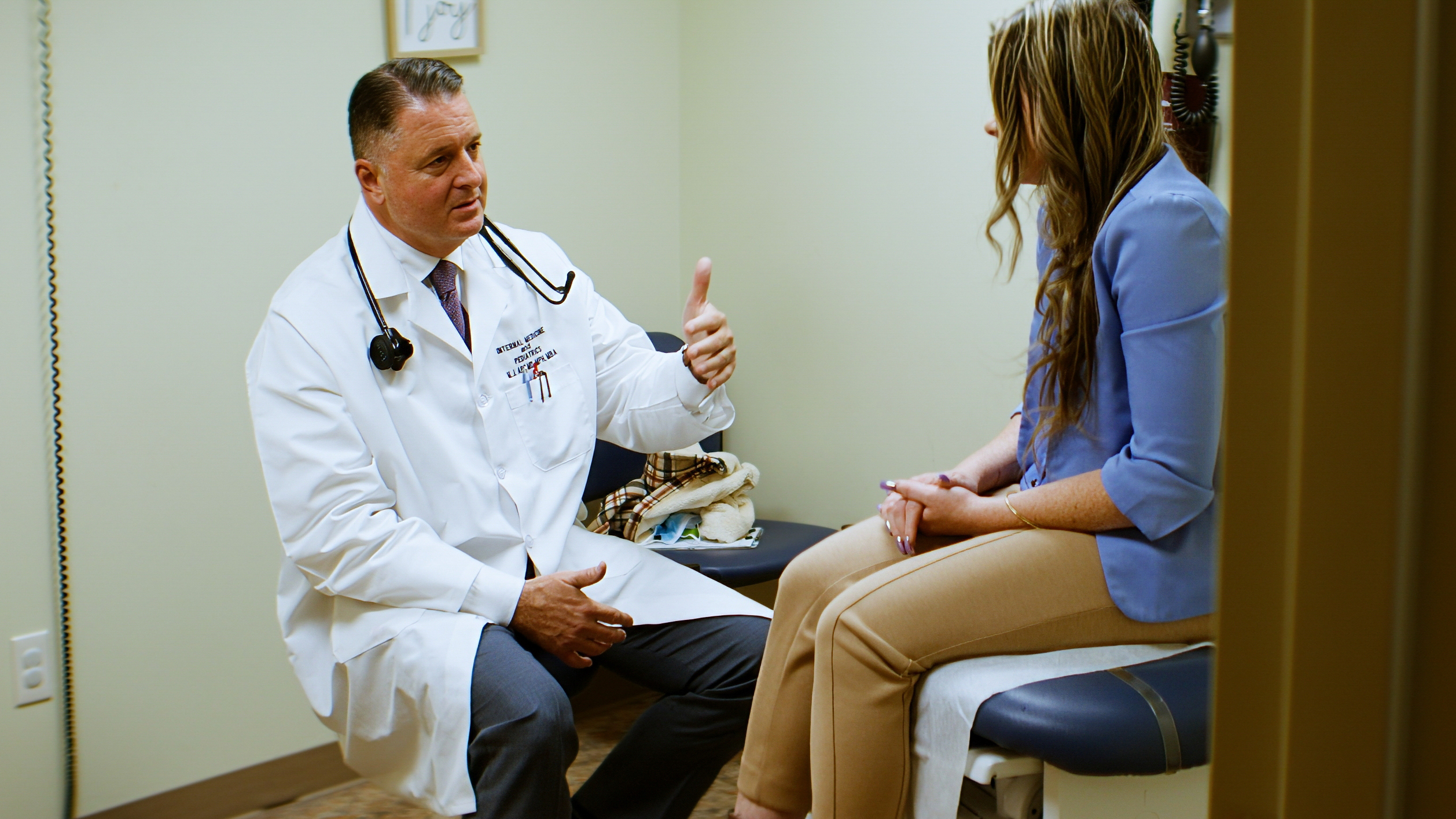
Michael App, M.D., is a lifelong resident of Grand Rapids and a busy man. He runs his own private medical [...]
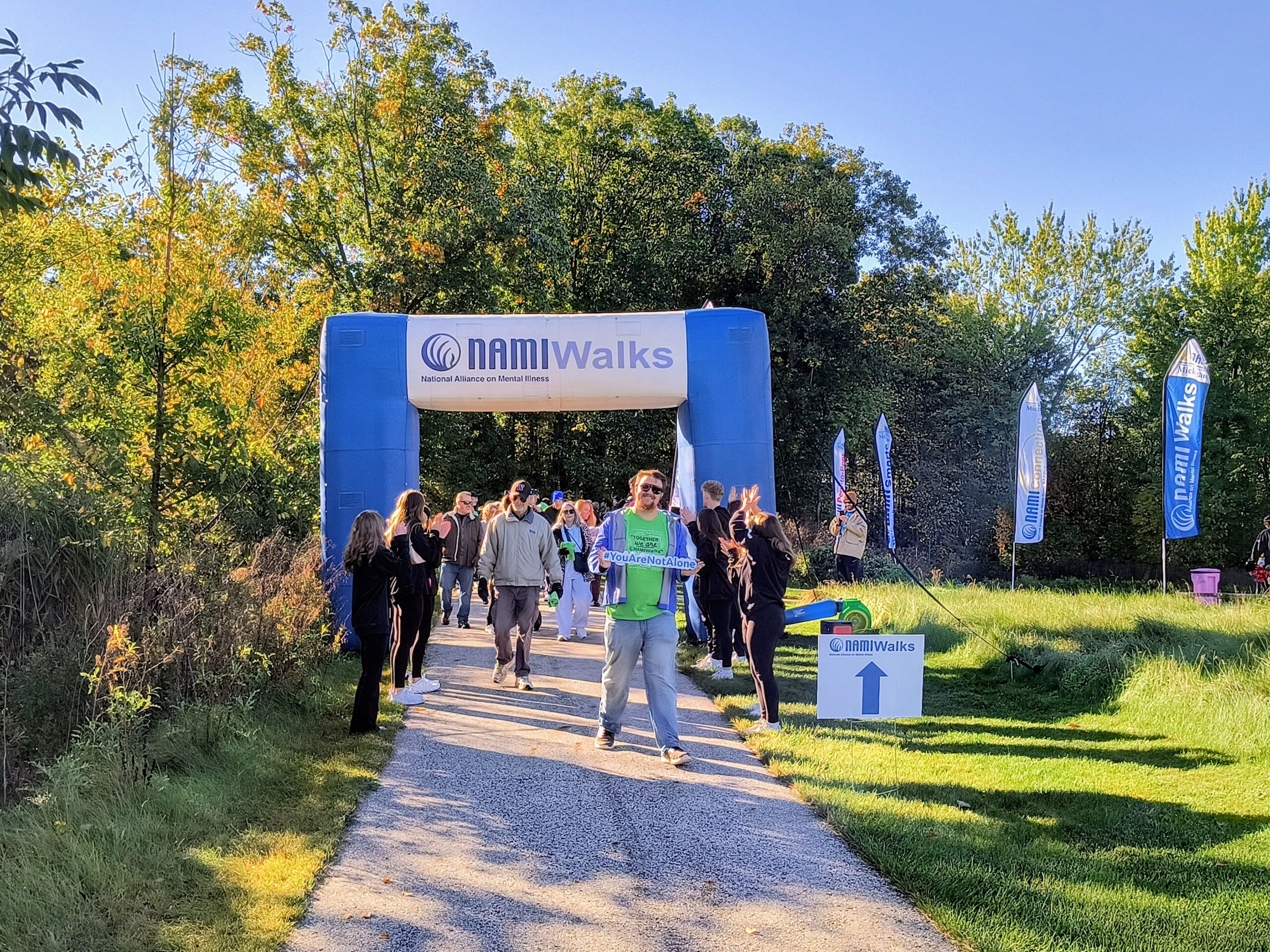
Davenport University focuses on mental wellness during Mental Health Awareness Week and beyond. Mental Health Awareness Week is observed Oct. [...]

Davenport University’s Accounting, Finance and Insurance Fair on October 1 gave students and alums the chance to showcase their skills [...]