
Davenport University is helping students overcome food insecurity and stay on track toward graduation, one touch point and one healthy food event at a time.
A $32,100 grant awarded in April 2026 from the Michigan Department of Lifelong Education, Advancement and Potential (MiLEAP) through the state’s Hunger-Free Campus Activities grant program provided funding through September to expand access to fresh food, groceries and other essential resources for students at Davenport’s W.A. Lettinga Grand Rapids, Lansing, Great Lakes Bay-Midland and Warren campuses.
“The MiLEAP grant allowed us to increase the scale of our current support of students facing food insecurity,” said Natalie Wagner, Ph.D., director of Student Life at Davenport. “We were able to expand our fresh market events to Lansing, Midland and Warren. Additionally, these funds enabled us to expand our offerings to include more meat and dairy products through our meal kits and grocery kits, as well as more refrigerated and frozen foods.”
The need is significant. Davenport’s 2023 Student Needs Assessment found that 27% of students cannot afford healthy meals, 13% experience hunger because of the cost of food, and 36% feel their financial resources are insufficient to support their education.
Through its Panther Resource Closet – Plus program, Davenport uses resources such as the MiLEAP grant to address basic needs that can become barriers to academic success. The program aims to improve student retention and completion by helping students access food and other essentials.
“In this relatively short period, and despite fewer students being on campus, the initiative provided direct food assistance to 450 unique students,” said Wagner. “We were able to purchase approximately 9,650 pounds of food for campus pantries, Panther Fresh Markets, grocery and meal kits, and other food assistance activities.”
Davenport faculty and staff were also engaged during the grant to learn how to create a more welcoming space where students can seek assistance without judgment, Wagner said. “We want to help students navigate challenges that they may encounter.”
The W.A. Lettinga Grand Rapids Campus started utilizing the funds in April with a fresh market event, then replicated the program in August and September. The April event included cooking demonstrations from Chef Kyle with Campus Dining using fresh ingredients from the market. Recipe cards were provided to make two different dressings that were prepared and distributed in mason jars.
During the summer semester, 45 fresh produce boxes from a local farm and 33 grocery kits with meat and dairy products were distributed to students. Fresh fruit also was distributed during finals week in April and at Pantherpalooza, Davenport’s student involvement fair, in September.
“It has been exciting to see the responses to the events among students,” said Wagner. “These programs normalize that it is okay to ask for help and utilize resources.”
The Grand Rapids campus also held three student SNAP food benefits sessions in September, one virtual for all students. Additionally, employee workshops were held in May and August with more than 45 faculty and staff members participating to learn how to better support students.
“We had 39 Panther Resource Center Pantry appointments between April and September, and during each visit, students walked away with an average of 9 pounds of food,” said Wagner. “We’re grateful to provide this service. Even though the program has concluded, our PRC Pantries are fully stocked.”
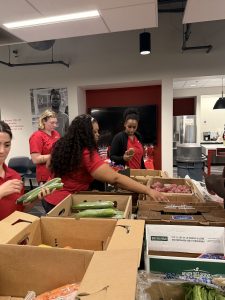 In Warren, pre-bagged food kits were distributed with a variety of perishable items in August, followed by a four-day event in September connected to Davenport’s Welcome Week where students were encouraged to select their own fresh produce. Perishable staples such as ground beef, turkey, eggs, cheese, bread and butter were distributed later in the month. Overall, the Warren Campus supported close to 100 students through its events.
“With rising costs, many of our students face tough decisions between paying everyday bills and putting food on the table – especially adult students balancing full-time jobs, coursework, and families,” said Susan Crkovski, Warren campus director. “The response was overwhelmingly positive, with many expressing deep gratitude and asking when the next event will be held. This initiative is a wonderful example of how Davenport directly impacts our students’ everyday lives.”
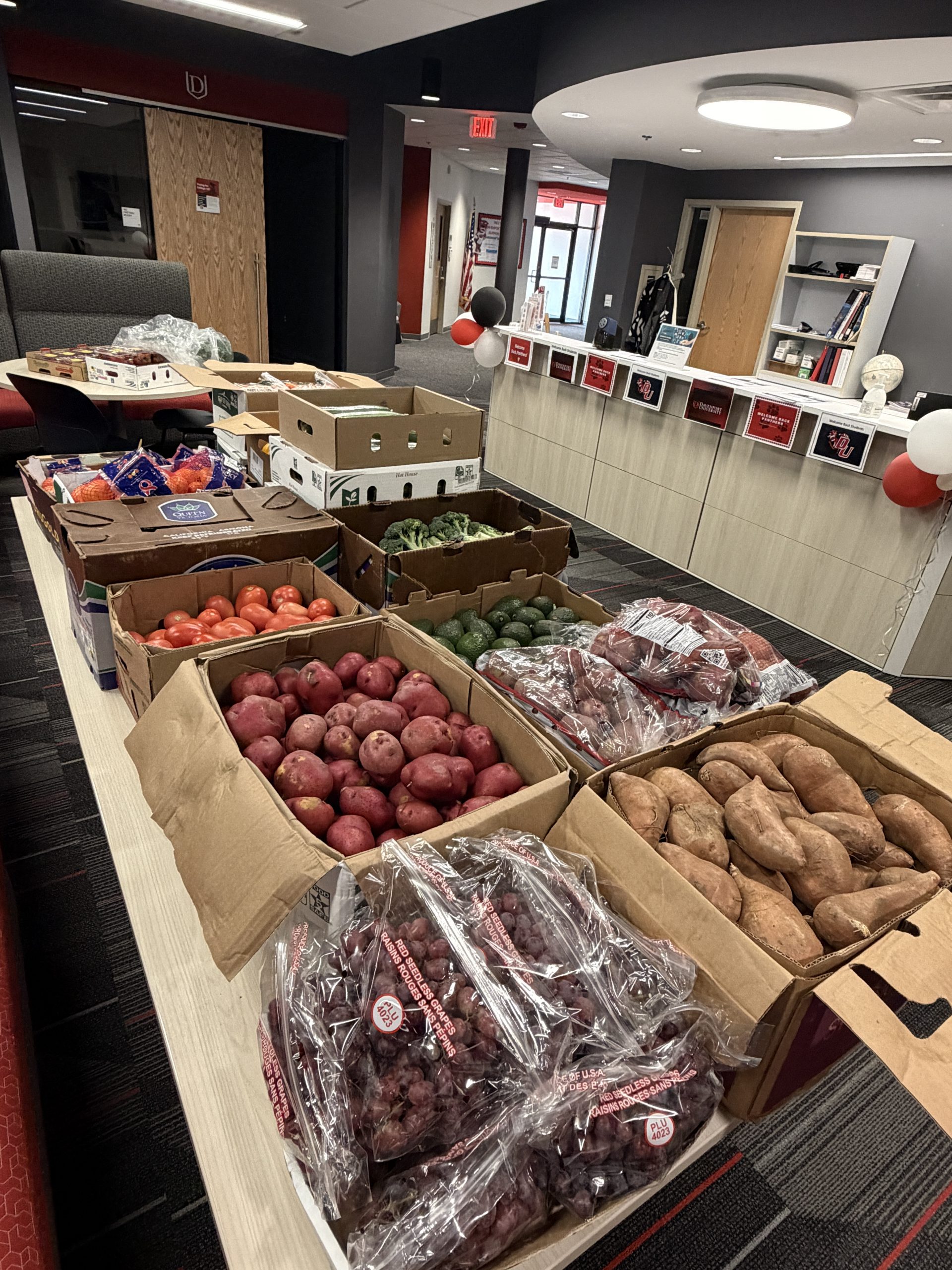
In Midland, the team distributed grocery kits in August, followed in September by a week-long Fresh Market event when students were able to shop for fresh fruits and vegetables. Later that month, a campus freezer was stocked with microwavable meals and breakfast items for students.
Increased inventory also supports plans to expand academic-break food baskets, previously only offered in Grand Rapids, to the Midland, Lansing, and Warren campuses and throughout the academic year.
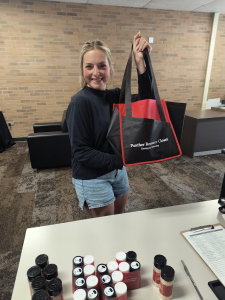 “In Midland, we’ll have Thanksgiving baskets to distribute the week of November 16,” said Denise Derr, Great Lakes Bay – Midland campus director. “Our support hasn’t ceased.”
In Lansing, a fresh food market was held during the campus’ Annual Student Resource Fair in September, with close to 50 students participating.
“We had great feedback from the students who took part,” said Susan Porrett, Lansing campus director. “The students loved having the fresh food and some were discussing recipes. They were very appreciative of the opportunity.”
Davenport was one of eight colleges selected to receive funding through the MiLEAP Hunger-Free Campus Activities Grant.
The grant period ran from April 1 to Sept. 30, 2026.
Share This Story!
Davenport University is helping students overcome food insecurity and stay on track toward graduation, one touch point and one healthy food event at a time.
A $32,100 grant awarded in April 2026 from the Michigan Department of Lifelong Education, Advancement and Potential (MiLEAP) through the state’s Hunger-Free Campus Activities grant program provided funding through September to expand access to fresh food, groceries and other essential resources for students at Davenport’s W.A. Lettinga Grand Rapids, Lansing, Great Lakes Bay-Midland and Warren campuses.
“The MiLEAP grant allowed us to increase the scale of our current support of students facing food insecurity,” said Natalie Wagner, Ph.D., director of Student Life at Davenport. “We were able to expand our fresh market events to Lansing, Midland and Warren. Additionally, these funds enabled us to expand our offerings to include more meat and dairy products through our meal kits and grocery kits, as well as more refrigerated and frozen foods.”
The need is significant. Davenport’s 2023 Student Needs Assessment found that 27% of students cannot afford healthy meals, 13% experience hunger because of the cost of food, and 36% feel their financial resources are insufficient to support their education.
Through its Panther Resource Closet – Plus program, Davenport uses resources such as the MiLEAP grant to address basic needs that can become barriers to academic success. The program aims to improve student retention and completion by helping students access food and other essentials.
“In this relatively short period, and despite fewer students being on campus, the initiative provided direct food assistance to 450 unique students,” said Wagner. “We were able to purchase approximately 9,650 pounds of food for campus pantries, Panther Fresh Markets, grocery and meal kits, and other food assistance activities.”
Davenport faculty and staff were also engaged during the grant to learn how to create a more welcoming space where students can seek assistance without judgment, Wagner said. “We want to help students navigate challenges that they may encounter.”
The W.A. Lettinga Grand Rapids Campus started utilizing the funds in April with a fresh market event, then replicated the program in August and September. The April event included cooking demonstrations from Chef Kyle with Campus Dining using fresh ingredients from the market. Recipe cards were provided to make two different dressings that were prepared and distributed in mason jars.
During the summer semester, 45 fresh produce boxes from a local farm and 33 grocery kits with meat and dairy products were distributed to students. Fresh fruit also was distributed during finals week in April and at Pantherpalooza, Davenport’s student involvement fair, in September.
“It has been exciting to see the responses to the events among students,” said Wagner. “These programs normalize that it is okay to ask for help and utilize resources.”
The Grand Rapids campus also held three student SNAP food benefits sessions in September, one virtual for all students. Additionally, employee workshops were held in May and August with more than 45 faculty and staff members participating to learn how to better support students.
“We had 39 Panther Resource Center Pantry appointments between April and September, and during each visit, students walked away with an average of 9 pounds of food,” said Wagner. “We’re grateful to provide this service. Even though the program has concluded, our PRC Pantries are fully stocked.”
In Warren, pre-bagged food kits were distributed with a variety of perishable items in August, followed by a four-day event in September connected to Davenport’s Welcome Week where students were encouraged to select their own fresh produce. Perishable staples such as ground beef, turkey, eggs, cheese, bread and butter were distributed later in the month. Overall, the Warren Campus supported close to 100 students through its events.
“With rising costs, many of our students face tough decisions between paying everyday bills and putting food on the table – especially adult students balancing full-time jobs, coursework, and families,” said Susan Crkovski, Warren campus director. “The response was overwhelmingly positive, with many expressing deep gratitude and asking when the next event will be held. This initiative is a wonderful example of how Davenport directly impacts our students’ everyday lives.”
In Midland, the team distributed grocery kits in August, followed in September by a week-long Fresh Market event when students were able to shop for fresh fruits and vegetables. Later that month, a campus freezer was stocked with microwavable meals and breakfast items for students.
Increased inventory also supports plans to expand academic-break food baskets, previously only offered in Grand Rapids, to the Midland, Lansing, and Warren campuses and throughout the academic year.
“In Midland, we’ll have Thanksgiving baskets to distribute the week of November 16,” said Denise Derr, Great Lakes Bay – Midland campus director. “Our support hasn’t ceased.”
In Lansing, a fresh food market was held during the campus’ Annual Student Resource Fair in September, with close to 50 students participating.
“We had great feedback from the students who took part,” said Susan Porrett, Lansing campus director. “The students loved having the fresh food and some were discussing recipes. They were very appreciative of the opportunity.”
Davenport was one of eight colleges selected to receive funding through the MiLEAP Hunger-Free Campus Activities Grant.
The grant period ran from April 1 to Sept. 30, 2026.
Share This Story!
Stay connected!
Get the latest Davenpost News delivered to your inbox!
Related Stories

As seen in the Fall 2024 DU Review magazine Thomas Drew, BBA, Marketing '15 Astronaut, police officer or doctor are [...]

Leaders from Davenport University and Mary Free Bed Rehabilitation signed an agreement that provides scholarships to Mary Free Bed employees [...]
For Aniesha Loupe, choosing to attend college was intimidating. It took courage. As a first-generation student — a term for [...]
Latest Stories
Davenport University is helping students overcome food insecurity and stay on track toward graduation, one touch point and one healthy [...]

From: B.S. in Computer Information Systems, 2022 To: Software Engineer at Microsoft Joshua McCurry came to Davenport University with [...]

From: B.B.A. in Management, 2023 To: Event Planner and Project Manager, Ford Leadership Forum at Gerald R. Ford Presidential Foundation [...]