

The transition from military service to a college student is not easy. This shift can be a new op tempo for most of the individuals facing such an endeavor. The operational tempo or the pace of life experienced while on duty, can range from normal (as compared to a civilian profession) to extreme depending on the service member’s particular job and location. For a service member stepping into the world of higher education as a civilian, the pace of life will most likely be different than what he or she recently experienced. As well as a new op tempo, differences will exist in simply dealing with others, including discussions, expectations, and attitudes.
I learned much about the military-to-civilian transition in the 33 years since I left the service as a U.S. Navy submarine weapons officer, both with my own experience and by observing other veterans. Frankly, some of the transition for me was a little rough. My military service inadequately prepared me for living and working with civilians and their different perspectives and work habits. I was sometimes perceived by others as being arrogant and demanding and I had to learn to “tone it down” when working with others. I experienced a radically different op tempo in the free-flowing world of higher education, both as a student and educator. For me, it was much slower than what I was used to, and far less regulated. It led to a certain amount of frustration on both sides.
If you are a former service member who is now transitioning to become a civilian college student or anyone simply interested in the process, I would like to pass on some advice. I’m making no assumptions about your former service experience or any baggage brought along the way.
- Organizations for veteran students
Take advantage of any veteran student organizations or programs offered in the university in which you’re enrolled. The Student Veterans Association, or SVA, is a great resource for you. You can work with other student veterans, share experiences, and form a camaraderie with them. - You can handle it…or not
Don’t think you can handle everything that comes your way on your own without help…you sometimes can’t and you may even be overwhelmed. That’s expected for all college students. You’re no different in that regard. Seek out and utilize the support services available to students. - Teamwork – up to a point
It’s fine to collaborate with others when working on your assignments. You’re used to working as a member of a team, and that’s great. However, make sure the work you submit is your work and not a copy of the best team member’s work. You don’t want to be accused of plagiarism, which is what occurred in one class I taught. Three veteran students worked on some assignments together as a team. But rather than submit their work, they simply copied the work of who they considered being the best student among them. They learned their lesson about that after they received no scores for the assignment and some further guidance. - Be open to differences
Your discipline and work ethic differ from everyone else’s. We’re all unique. Make sure you accept that fact and don’t feel angry when others don’t seem to meet your expectations. Some individuals do appreciate your military service and discipline, and others are less supportive. That’s fine. That’s the way they are, and you’re not going to change them. Challenge yourself to accept others and see where they are coming from. I certainly had to do that and I still sometimes struggle today to do so. - OLAF
Finally, remember OLAF—Observe…learn…adapt…function. Although this may be a bit extreme, sometimes you need to act as if you’re in a foreign country. See how others are communicating, acting, and living their college lives. If what you see agrees with you and meets your standards (an important point), then learn it and adapt to it. It should help you function better as a college student.
No matter your military background, whether it’s extensive or minimal, the transition from that part of your life to becoming a college student may be a completely different op tempo and may present a variety of challenges for you. Hopefully, you will find some of the above advice useful to make that transition a smooth one. Good luck in your college career!
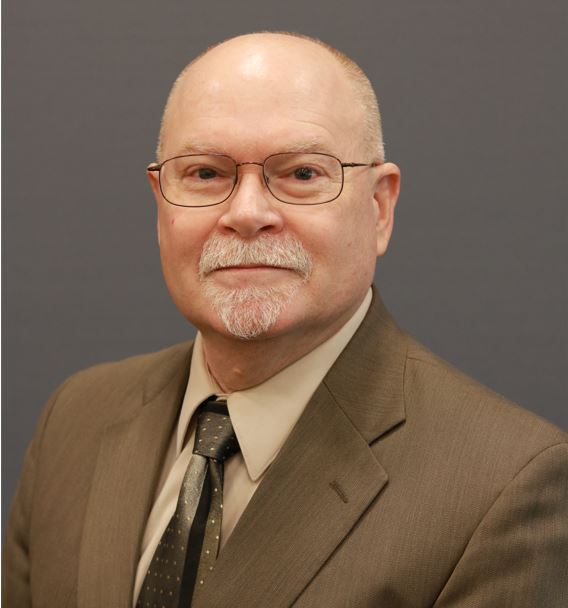
This article was written by:
Jim Veneziano
Associate Professor, College of Technology
Davenport University
Share This Story!
The transition from military service to a college student is not easy. This shift can be a new op tempo for most of the individuals facing such an endeavor. The operational tempo or the pace of life experienced while on duty, can range from normal (as compared to a civilian profession) to extreme depending on the service member’s particular job and location. For a service member stepping into the world of higher education as a civilian, the pace of life will most likely be different than what he or she recently experienced. As well as a new op tempo, differences will exist in simply dealing with others, including discussions, expectations, and attitudes.
I learned much about the military-to-civilian transition in the 33 years since I left the service as a U.S. Navy submarine weapons officer, both with my own experience and by observing other veterans. Frankly, some of the transition for me was a little rough. My military service inadequately prepared me for living and working with civilians and their different perspectives and work habits. I was sometimes perceived by others as being arrogant and demanding and I had to learn to “tone it down” when working with others. I experienced a radically different op tempo in the free-flowing world of higher education, both as a student and educator. For me, it was much slower than what I was used to, and far less regulated. It led to a certain amount of frustration on both sides.
If you are a former service member who is now transitioning to become a civilian college student or anyone simply interested in the process, I would like to pass on some advice. I’m making no assumptions about your former service experience or any baggage brought along the way.
- Organizations for veteran students
Take advantage of any veteran student organizations or programs offered in the university in which you’re enrolled. The Student Veterans Association, or SVA, is a great resource for you. You can work with other student veterans, share experiences, and form a camaraderie with them. - You can handle it…or not
Don’t think you can handle everything that comes your way on your own without help…you sometimes can’t and you may even be overwhelmed. That’s expected for all college students. You’re no different in that regard. Seek out and utilize the support services available to students. - Teamwork – up to a point
It’s fine to collaborate with others when working on your assignments. You’re used to working as a member of a team, and that’s great. However, make sure the work you submit is your work and not a copy of the best team member’s work. You don’t want to be accused of plagiarism, which is what occurred in one class I taught. Three veteran students worked on some assignments together as a team. But rather than submit their work, they simply copied the work of who they considered being the best student among them. They learned their lesson about that after they received no scores for the assignment and some further guidance. - Be open to differences
Your discipline and work ethic differ from everyone else’s. We’re all unique. Make sure you accept that fact and don’t feel angry when others don’t seem to meet your expectations. Some individuals do appreciate your military service and discipline, and others are less supportive. That’s fine. That’s the way they are, and you’re not going to change them. Challenge yourself to accept others and see where they are coming from. I certainly had to do that and I still sometimes struggle today to do so. - OLAF
Finally, remember OLAF—Observe…learn…adapt…function. Although this may be a bit extreme, sometimes you need to act as if you’re in a foreign country. See how others are communicating, acting, and living their college lives. If what you see agrees with you and meets your standards (an important point), then learn it and adapt to it. It should help you function better as a college student.
No matter your military background, whether it’s extensive or minimal, the transition from that part of your life to becoming a college student may be a completely different op tempo and may present a variety of challenges for you. Hopefully, you will find some of the above advice useful to make that transition a smooth one. Good luck in your college career!
This article was written by:
Jim Veneziano
Associate Professor, College of Technology
Davenport University
Share This Story!
Stay connected!
Get the latest Davenpost News delivered to your inbox!
Related Stories

Davenport University was one of the sponsors of this month’s Fiesta Week in Holland. This is the 60th anniversary of [...]

Leaders at Davenport University and the nonprofit Advocates for Latino Student Advancement in Michigan Education (Alsame) announced the spring 2024 [...]
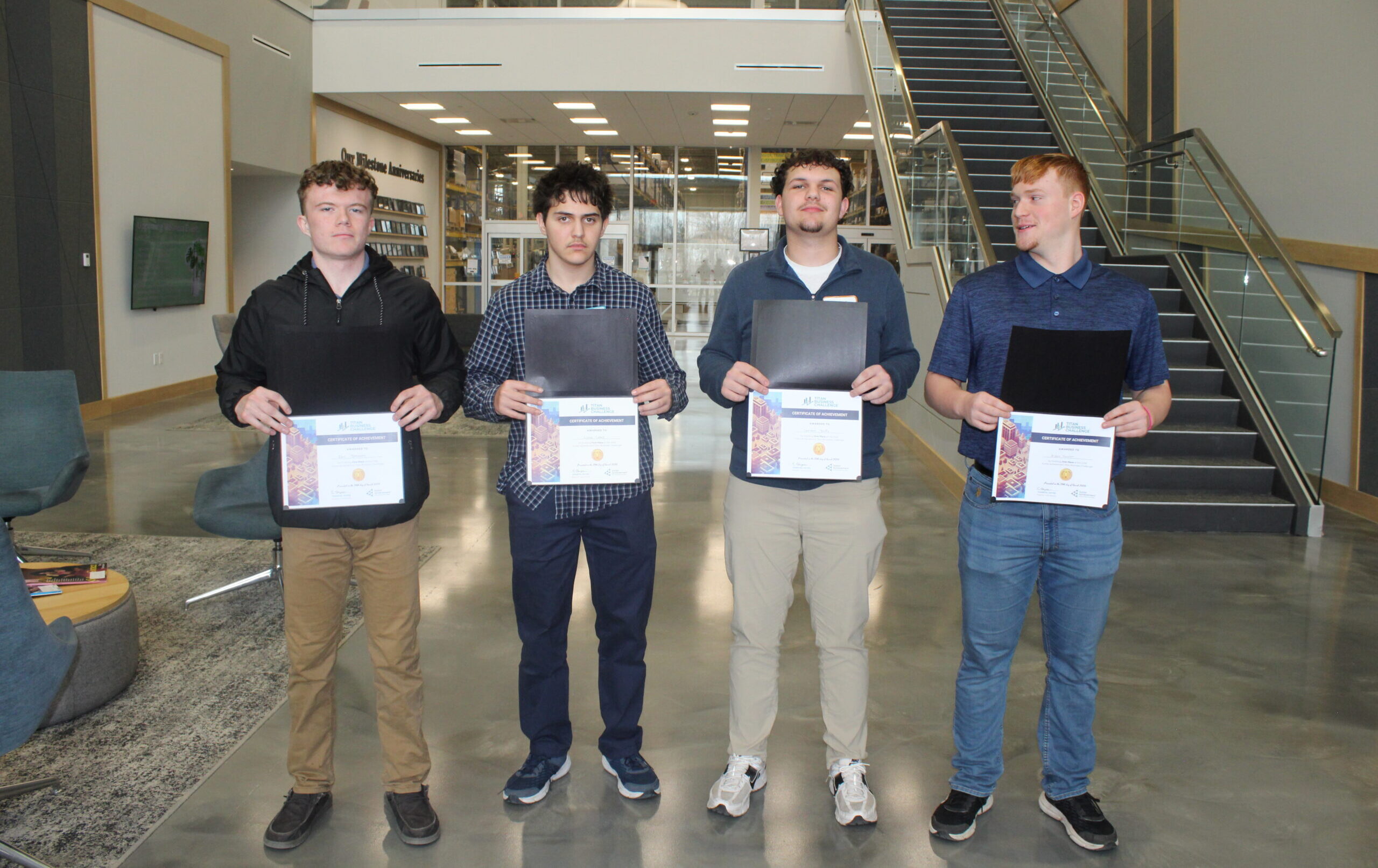
Nearly 60 high school students from across West Michigan recently participated in the Junior Achievement of the Michigan Great Lakes’ [...]
Latest Stories
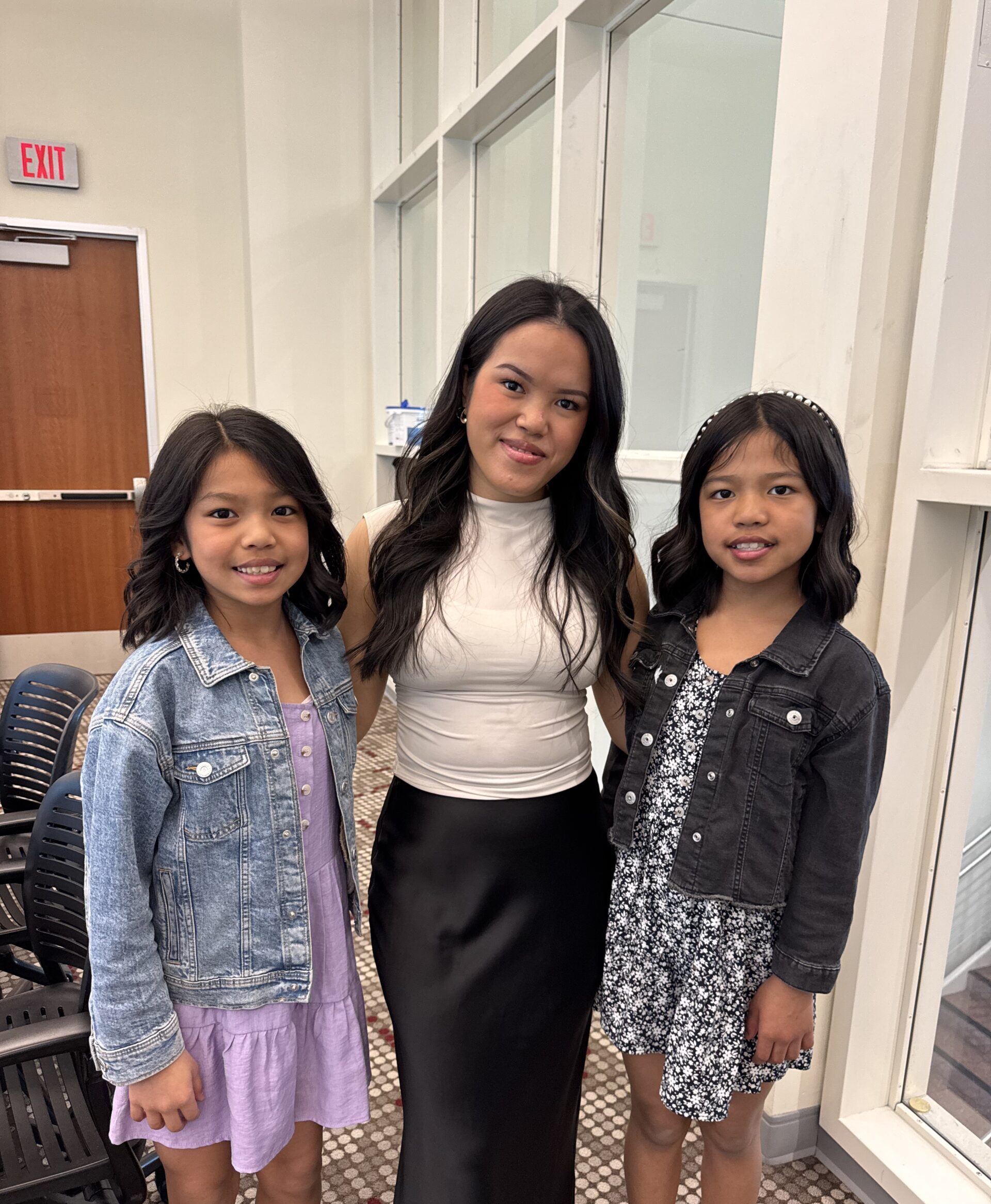
Photo: First-generation student and Tri-Alpha Honor Society member Julie Lian with her nieces Davenport University’s Tri-Alpha First-Generation Honor Society [...]
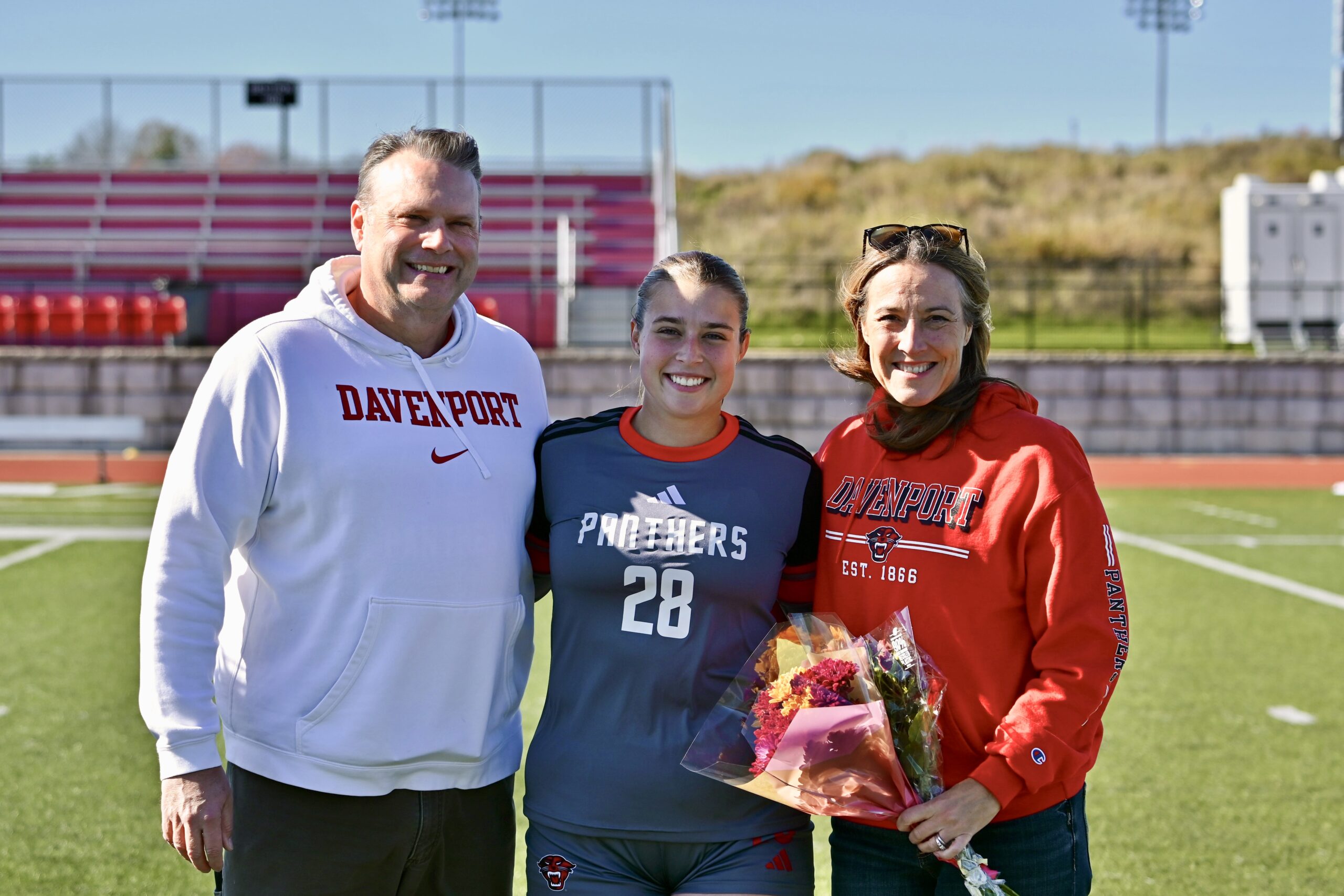
Sports has always been a passion for Davenport University senior Courtney Drew. So much so, she built involvement into all [...]
-
Nearly 60 high school students from across West Michigan recently participated in the Junior Achievement of the Michigan Great Lakes’ [...]