
Students in Davenport University’s forensics class got quite a surprise recently. Just as they were settling in for Professor William Ruhf’s lecture, a woman from the Michigan State Police (MSP) Crime Lab appeared at the door and announced that a crime had been committed on campus and their help was needed to process the scene.
The mysterious woman at the door was Susan Isley, Ruhf’s supervisor at the MSP crime lab.
Ruhf wanted to give his Biological Laboratory Science majors hands-on, real-world experience in forensics and enlisted Isley’s help to bring the MSP mobile crime lab to campus and set up a realistic mock crime scene for his students to investigate.
The duo’s plan was to make the crime scenario and investigation as authentic as possible.
“We wanted the scenario to play out as it would in real life, with no advance notice,” said Ruhf. “When you work in forensics, calls come at all times of the day and night, so you always have to be ready to respond.”
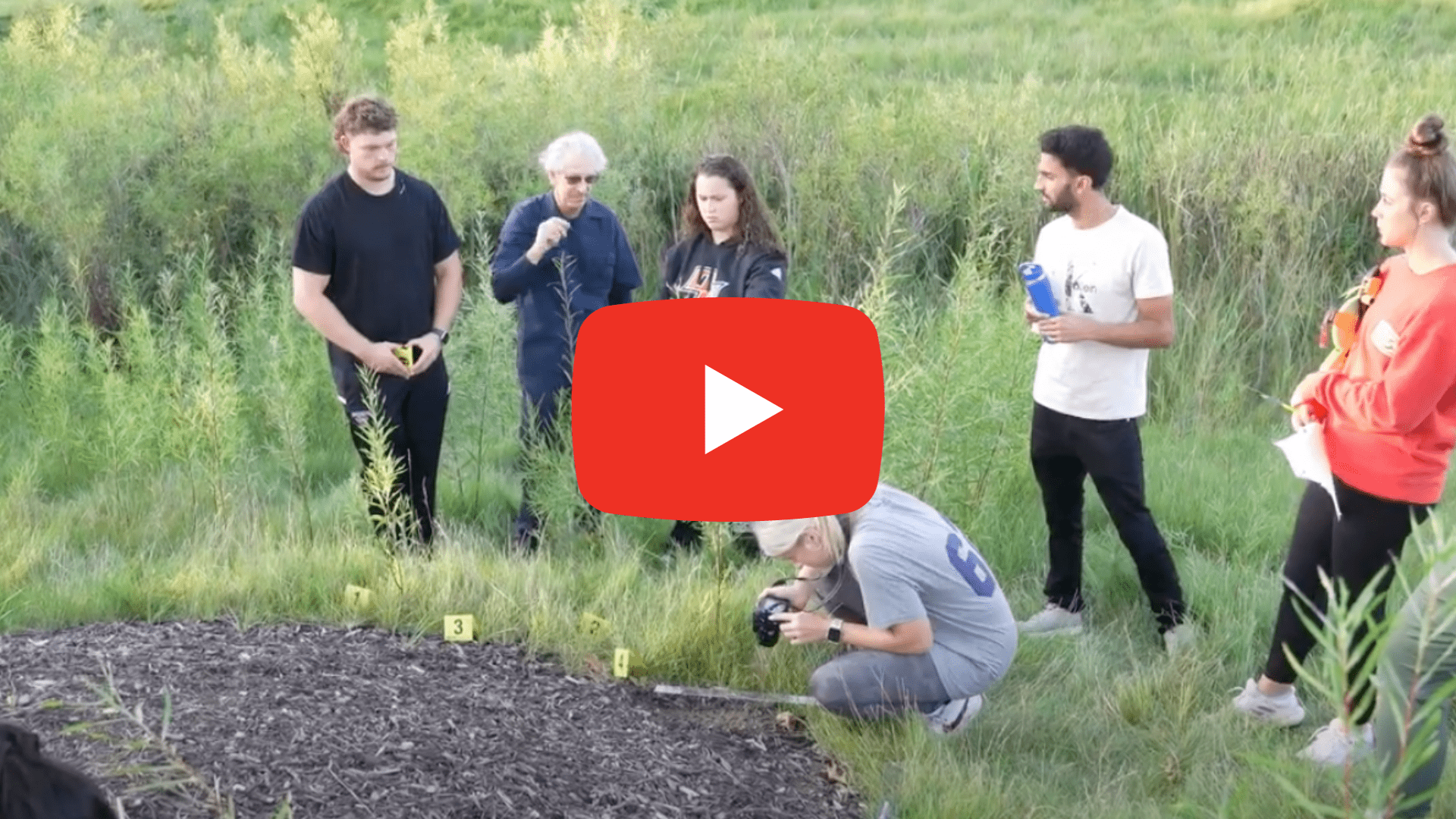
After a quick tour of the mobile crime van, the students made their way to the north side of campus to survey the mock crime scene and begin their investigation.
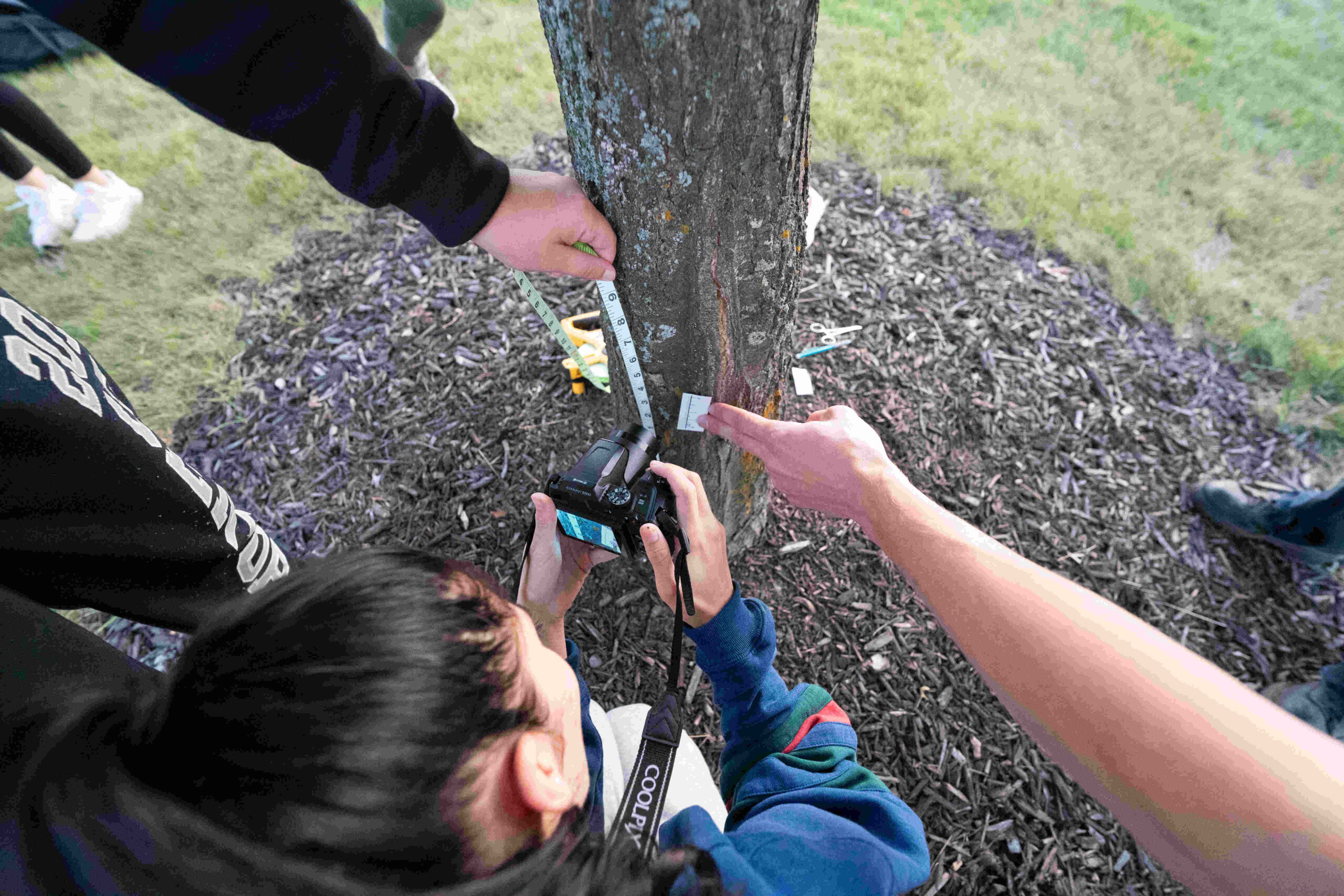
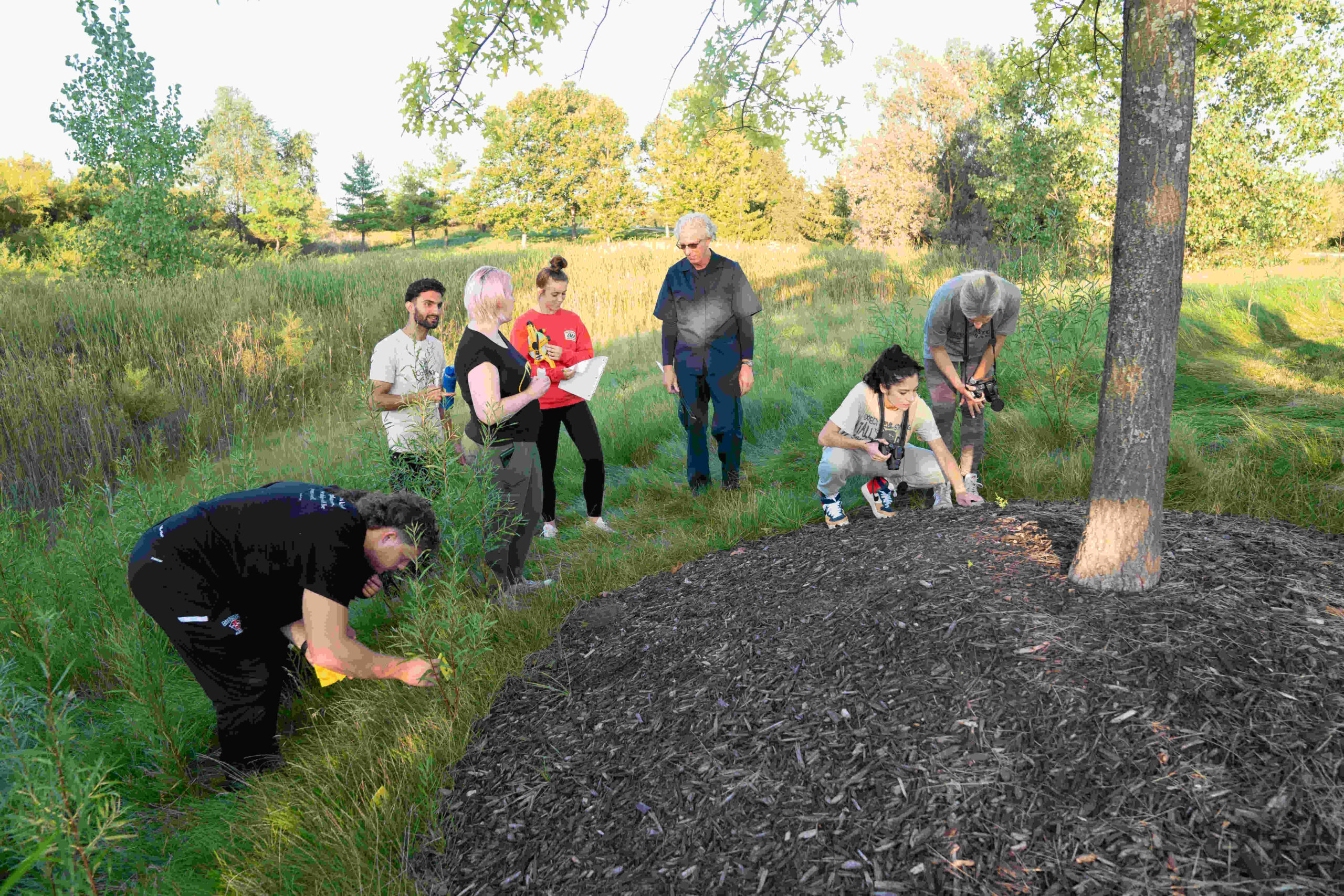
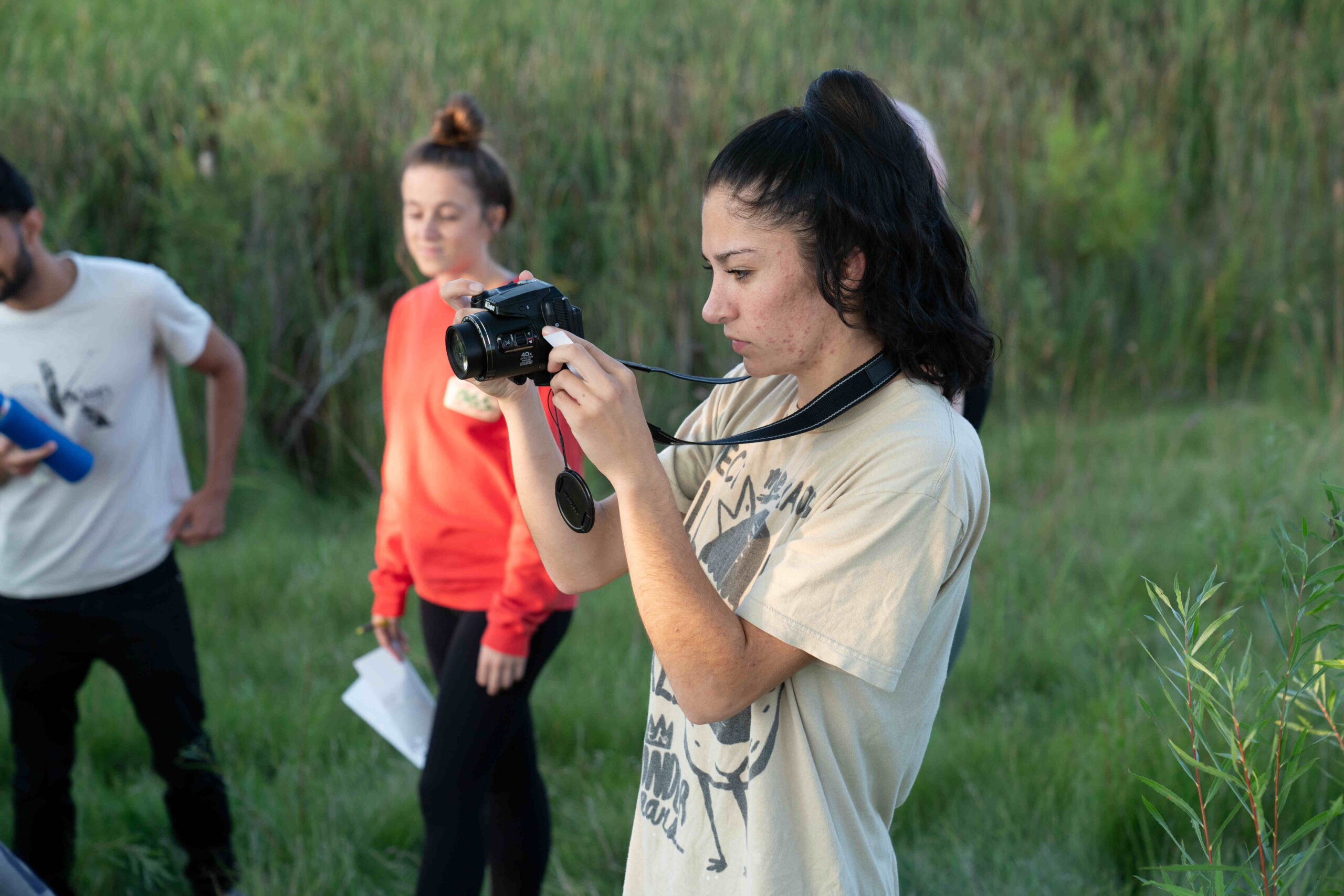
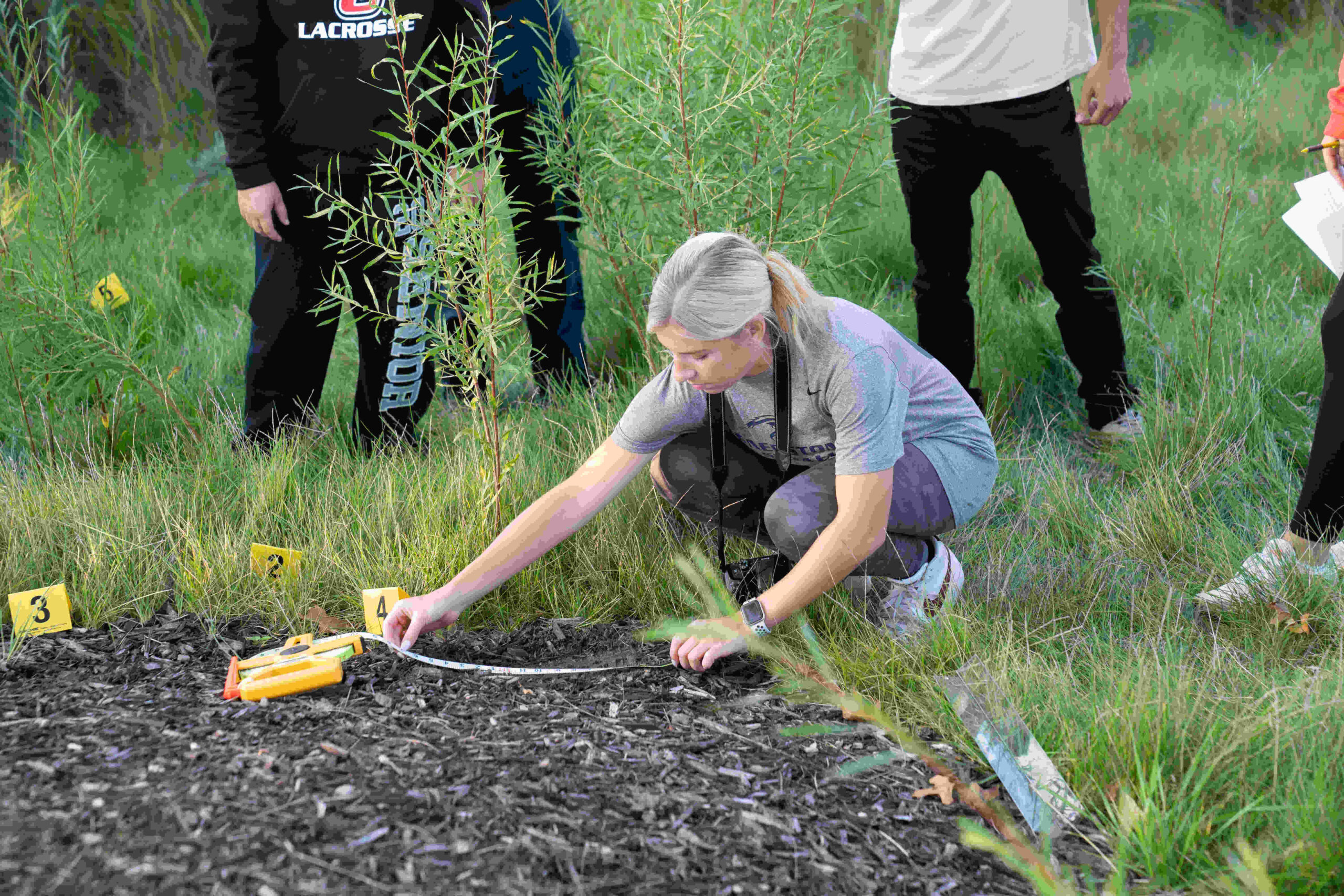
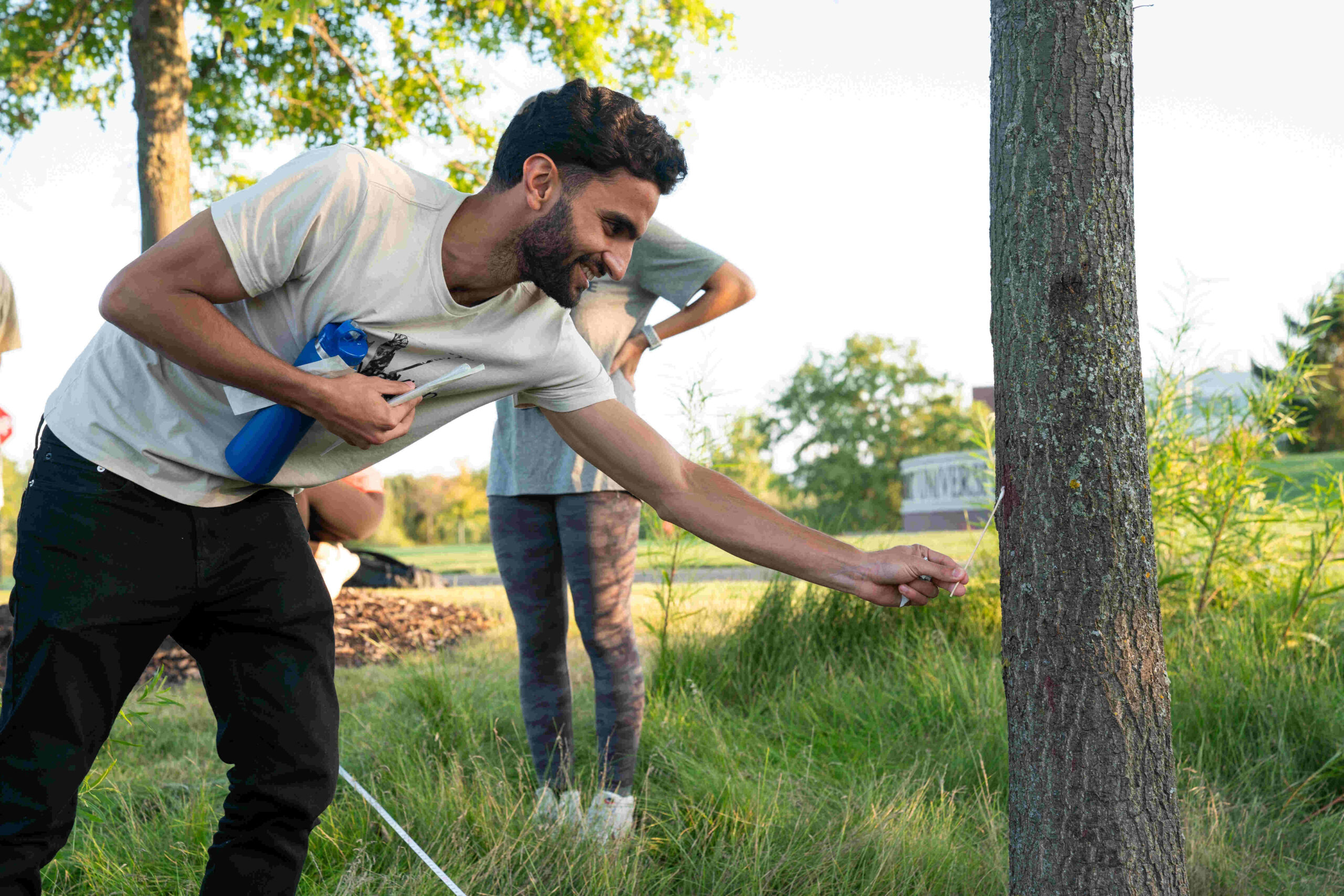
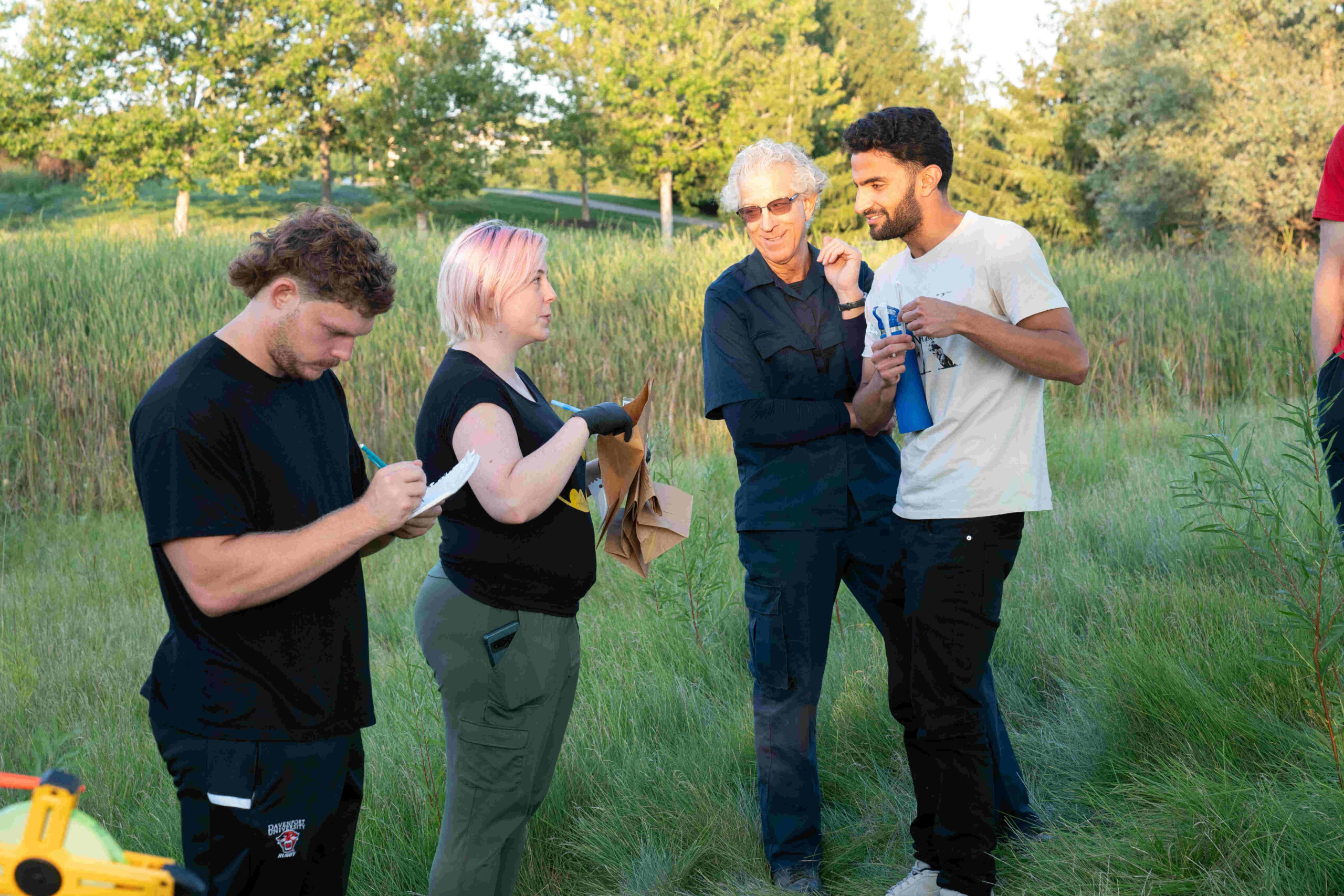
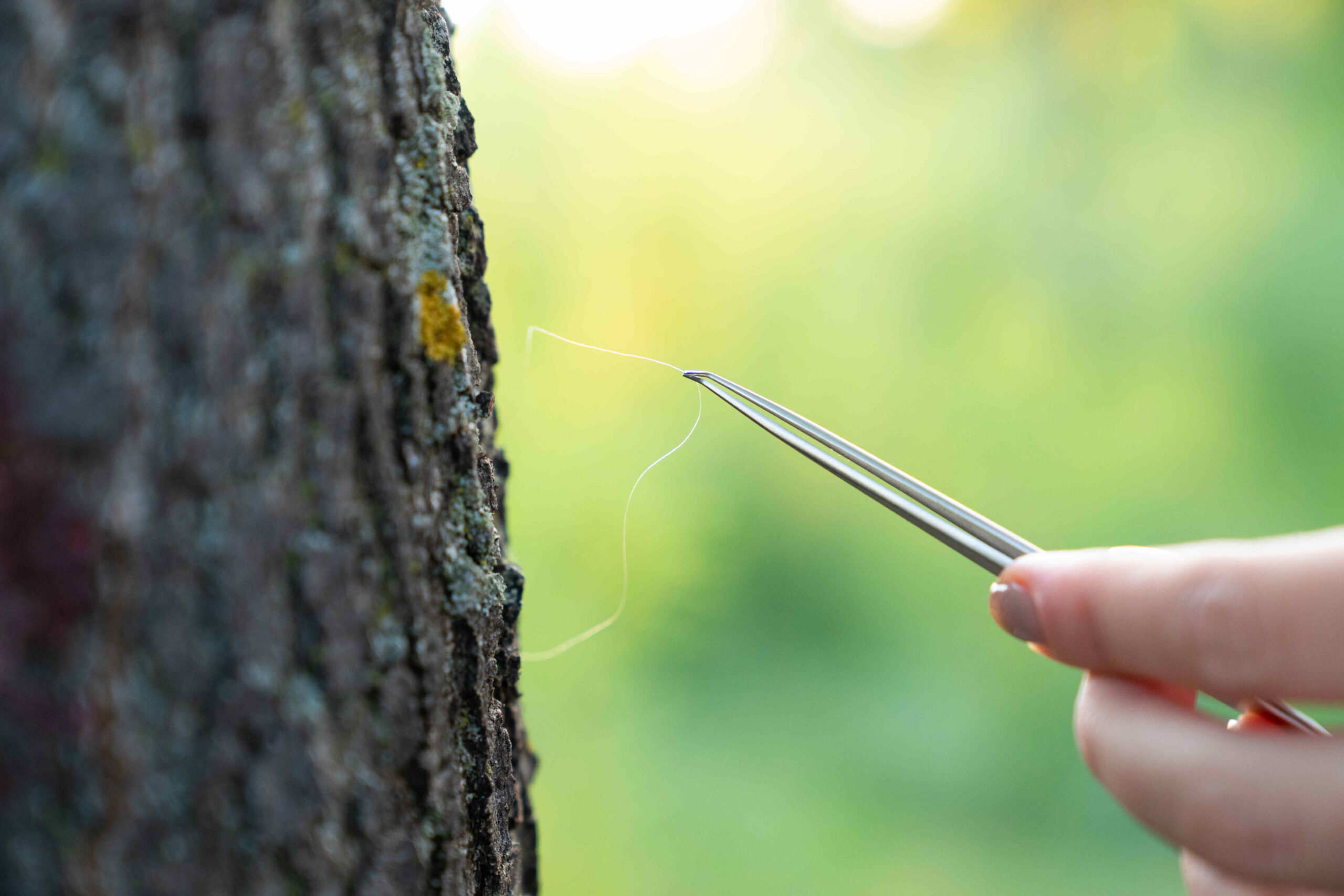
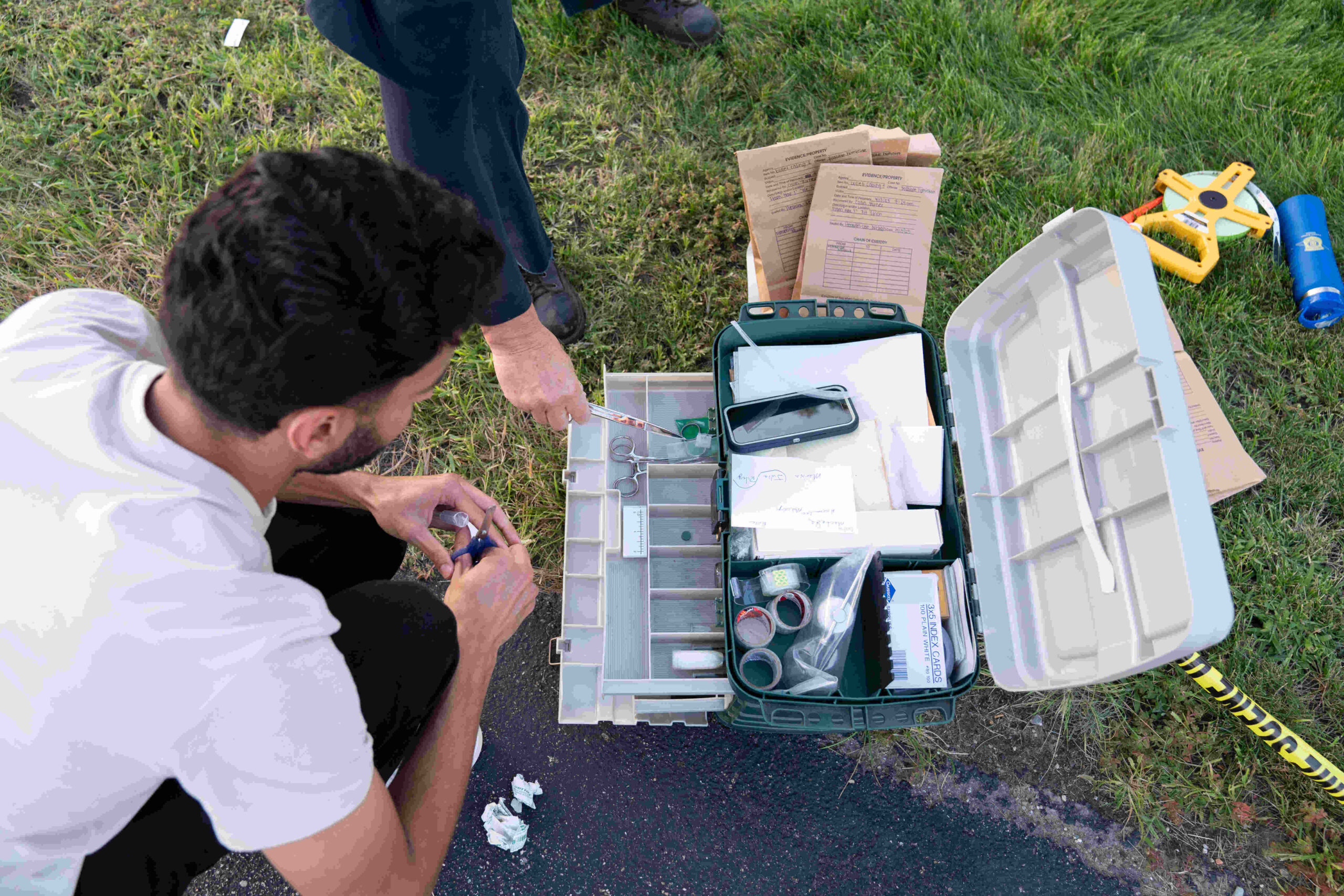
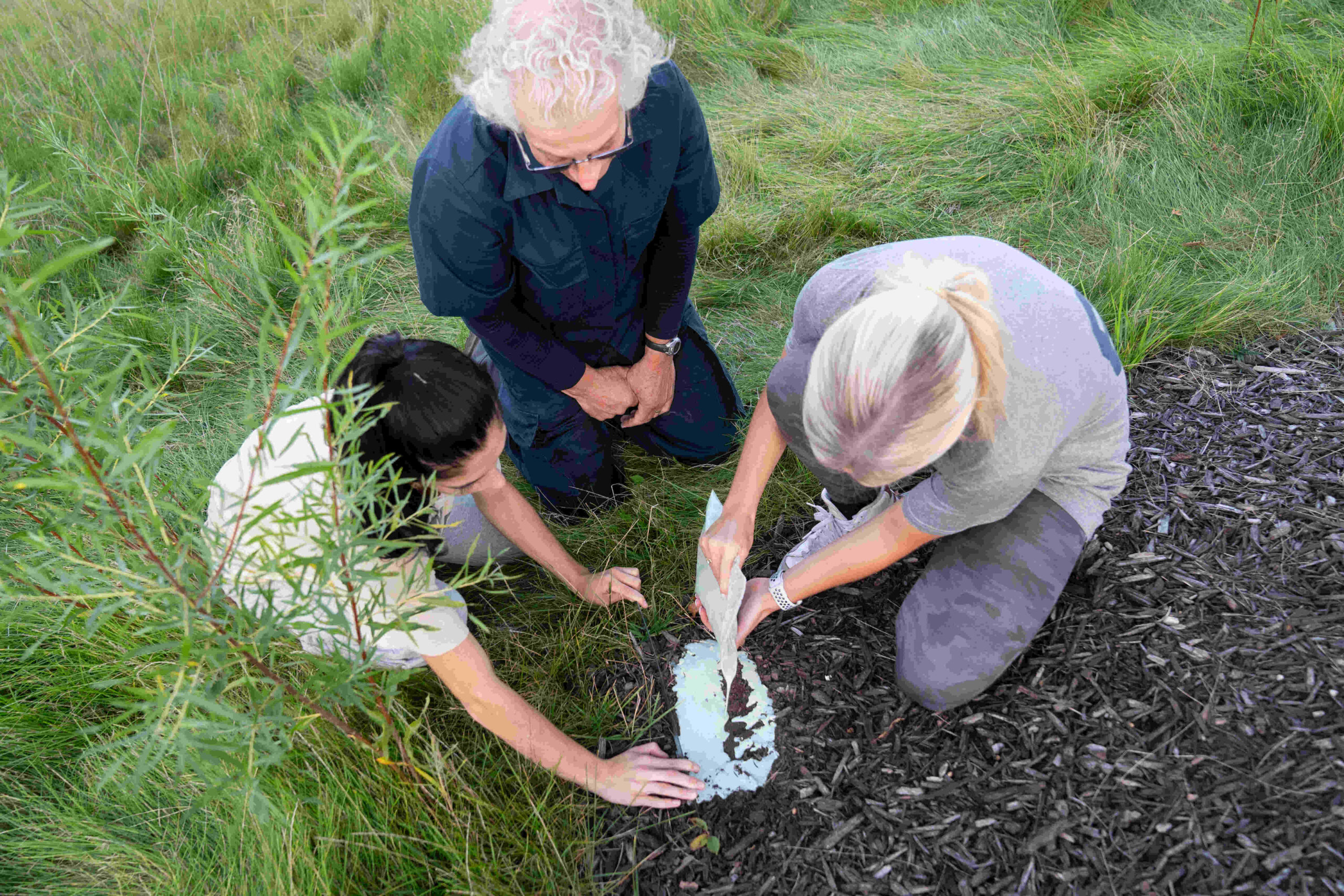
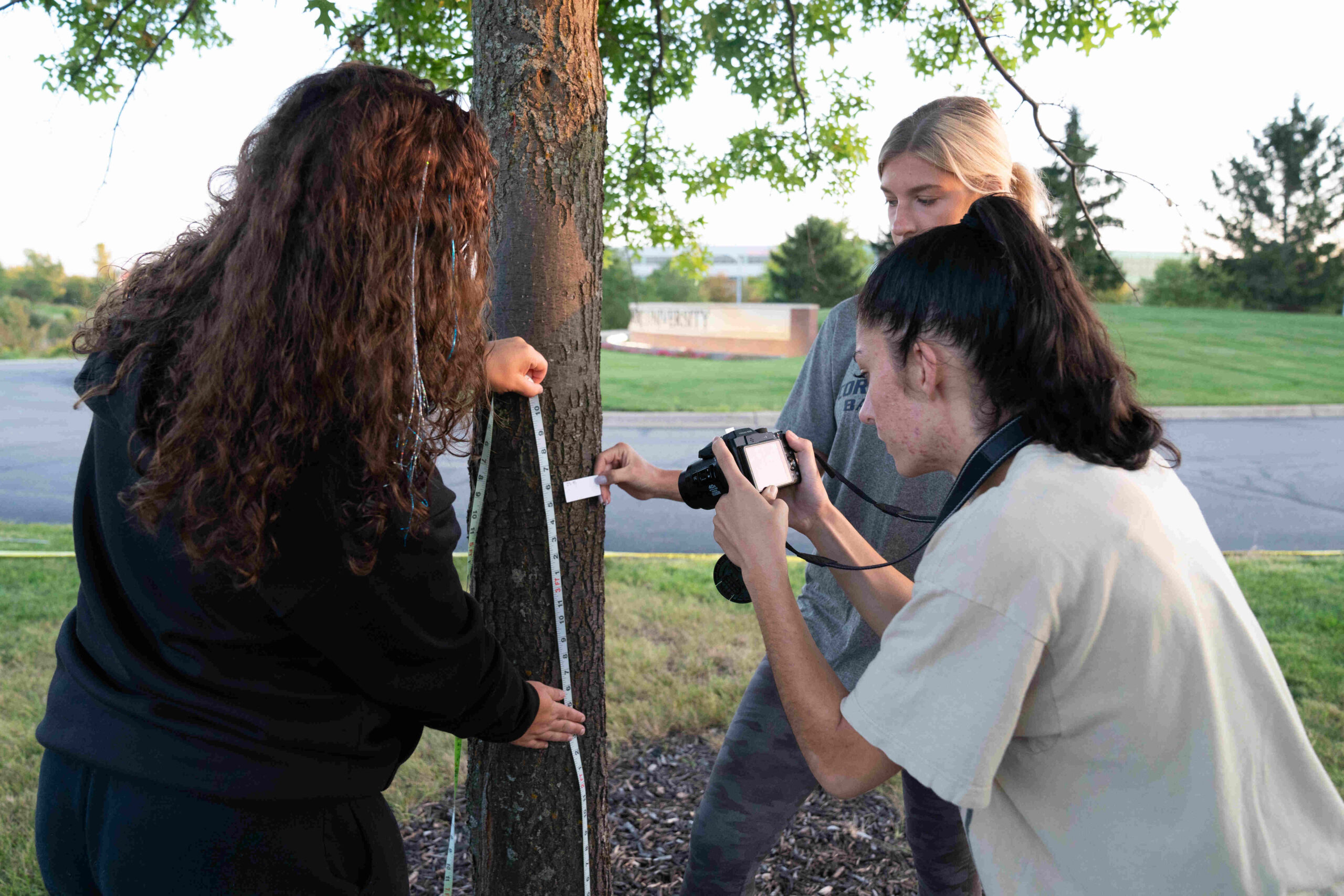
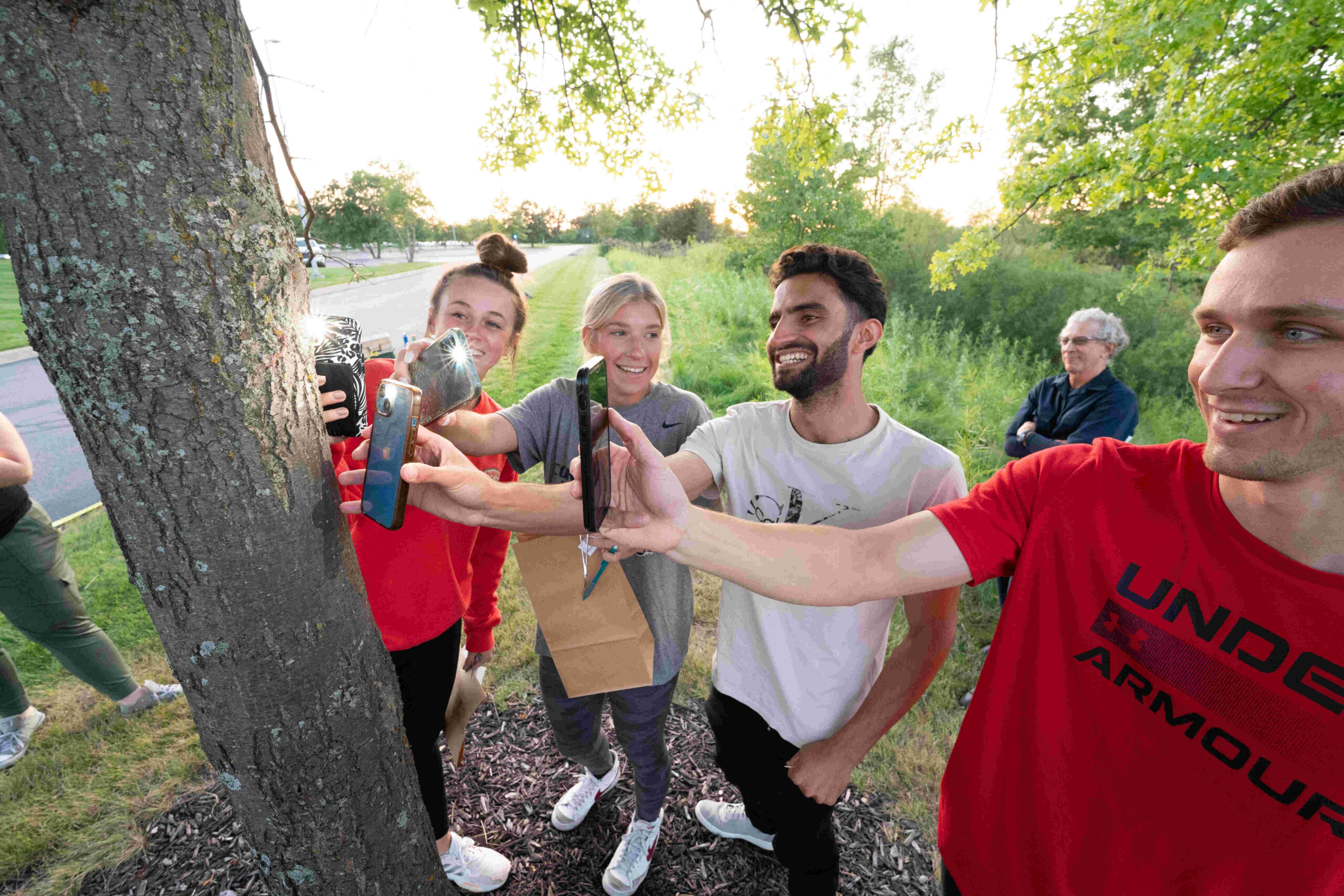
The scenario consisted of a struggle with shots fired and evidence of a body being carried to a nearby swamp. The students collectively chose a lead investigator, who scouted the area and determined what other personnel should be called to the scene. The remaining students assumed the roles of officers from firearms, DNA and trace units. They worked together to collect spent cartridge cases, blood samples, and hair from tree bark. They learned how to cast a shoe impression, accurately photograph the scene, and package all evidence correctly. At the end of the exercise, they turned in their lab report, just as they would if they had been investigating an actual incident.
The mock crime scene was a great way for students to see the real-world application of what they are learning in the classroom.
“I think the kids really enjoyed the field experience and learned something in the process,” said Ruhf. “We know that the skill to think critically can’t be obtained in a single exercise, but I saw the “light come on” for several students while they were processing the mock crime scene, which made it all worthwhile.”
Riley Schroeder, who graduates in April, agrees with Ruhf’s assessment.
“It was refreshing to be able to learn the material in this format versus just talking in class about how a crime scene would be handled,” said Schroeder. “What I enjoyed most is that it was like solving a puzzle and it got the whole class to work together.”
In addition to teaching at Davenport, Ruhf has worked for MSP in the forensic lab for almost 34 years. He works with the controlled substance unit and analyzes all things drug-related for law enforcement agencies from Ludington to the MI/IN border.
To learn more about Davenport’s Bachelor’s in Biological Laboratory Science degree, visit davenport.edu/forensics
Share This Story!
Students in Davenport University’s forensics class got quite a surprise recently. Just as they were settling in for Professor William Ruhf’s lecture, a woman from the Michigan State Police (MSP) Crime Lab appeared at the door and announced that a crime had been committed on campus and their help was needed to process the scene.
The mysterious woman at the door was Susan Isley, Ruhf’s supervisor at the MSP crime lab.
Ruhf wanted to give his Biological Laboratory Science majors hands-on, real-world experience in forensics and enlisted Isley’s help to bring the MSP mobile crime lab to campus and set up a realistic mock crime scene for his students to investigate.
The duo’s plan was to make the crime scenario and investigation as authentic as possible.
“We wanted the scenario to play out as it would in real life, with no advance notice,” said Ruhf. “When you work in forensics, calls come at all times of the day and night, so you always have to be ready to respond.”
After a quick tour of the mobile crime van, the students made their way to the north side of campus to survey the mock crime scene and begin their investigation.
The scenario consisted of a struggle with shots fired and evidence of a body being carried to a nearby swamp. The students collectively chose a lead investigator, who scouted the area and determined what other personnel should be called to the scene. The remaining students assumed the roles of officers from firearms, DNA and trace units. They worked together to collect spent cartridge cases, blood samples, and hair from tree bark. They learned how to cast a shoe impression, accurately photograph the scene, and package all evidence correctly. At the end of the exercise, they turned in their lab report, just as they would if they had been investigating an actual incident.
The mock crime scene was a great way for students to see the real-world application of what they are learning in the classroom.
“I think the kids really enjoyed the field experience and learned something in the process,” said Ruhf. “We know that the skill to think critically can’t be obtained in a single exercise, but I saw the “light come on” for several students while they were processing the mock crime scene, which made it all worthwhile.”
Riley Schroeder, who graduates in April, agrees with Ruhf’s assessment.
“It was refreshing to be able to learn the material in this format versus just talking in class about how a crime scene would be handled,” said Schroeder. “What I enjoyed most is that it was like solving a puzzle and it got the whole class to work together.”
In addition to teaching at Davenport, Ruhf has worked for MSP in the forensic lab for almost 34 years. He works with the controlled substance unit and analyzes all things drug-related for law enforcement agencies from Ludington to the MI/IN border.
To learn more about Davenport’s Bachelor’s in Biological Laboratory Science degree, visit davenport.edu/forensics
Share This Story!
Stay connected!
Get the latest Davenpost News delivered to your inbox!
Related Stories
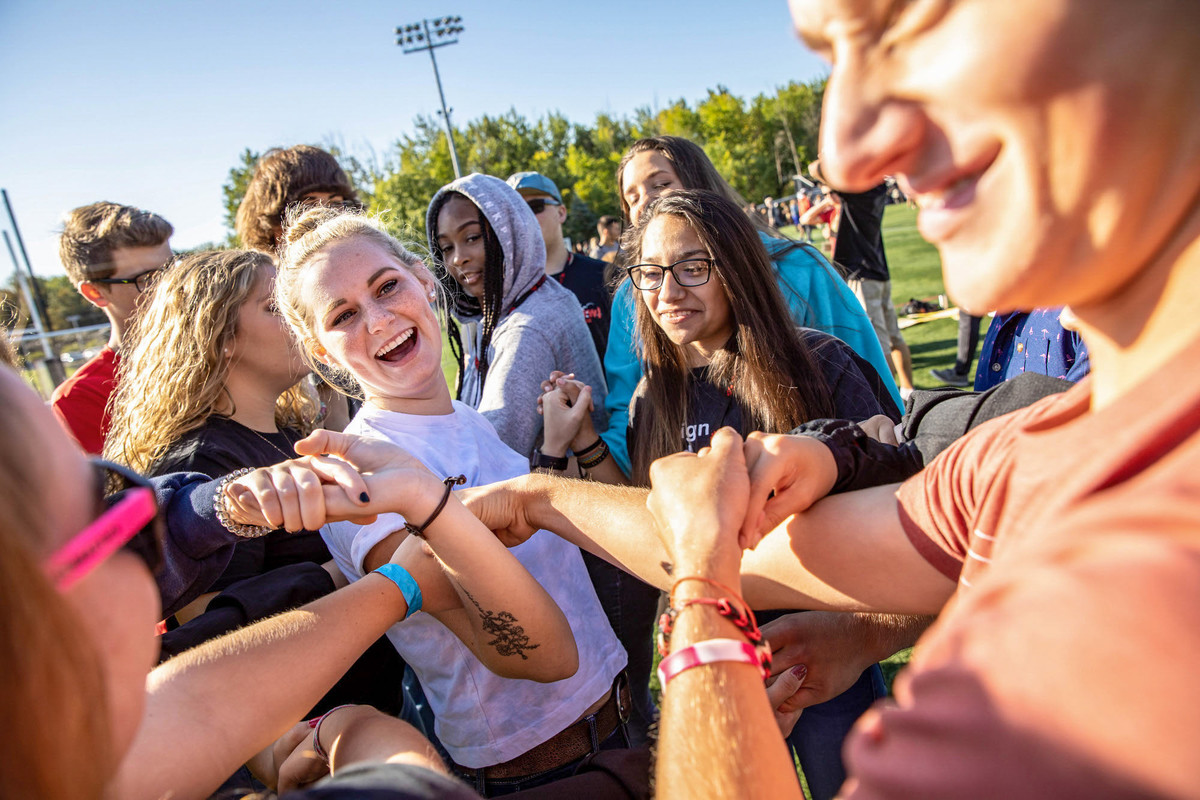
Staying engaged at Davenport University is essential for students to succeed. Resources such as the Center for Learning and Engagement, [...]
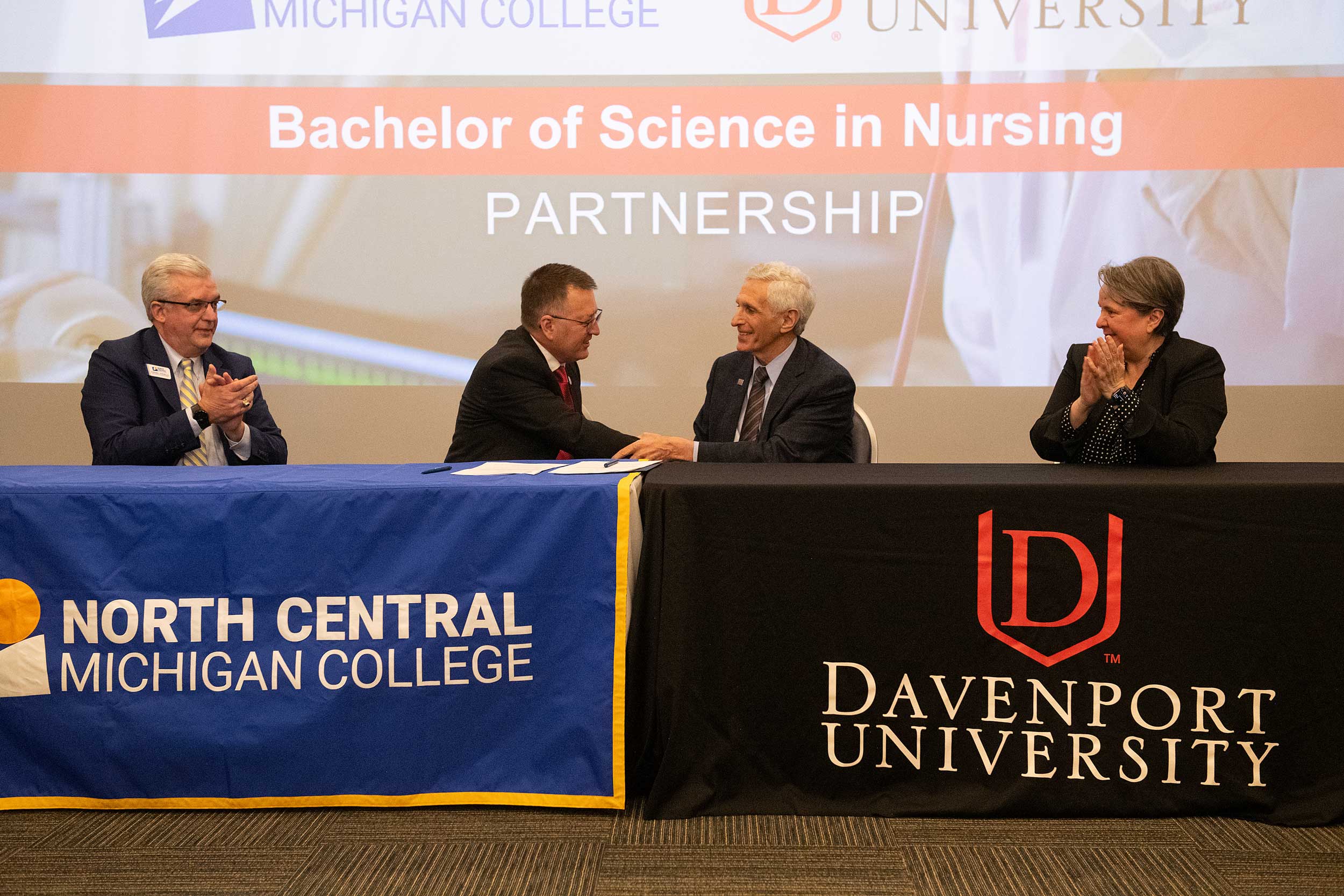
North Central Michigan College (NCMC) and Davenport University announced a partnership to expand nursing education in Northern Michigan. Leaders from [...]
The university is mourning the passing of Rhae-Ann Booker. She was the first executive director of Diversity, Equity and Inclusion [...]
Latest Stories
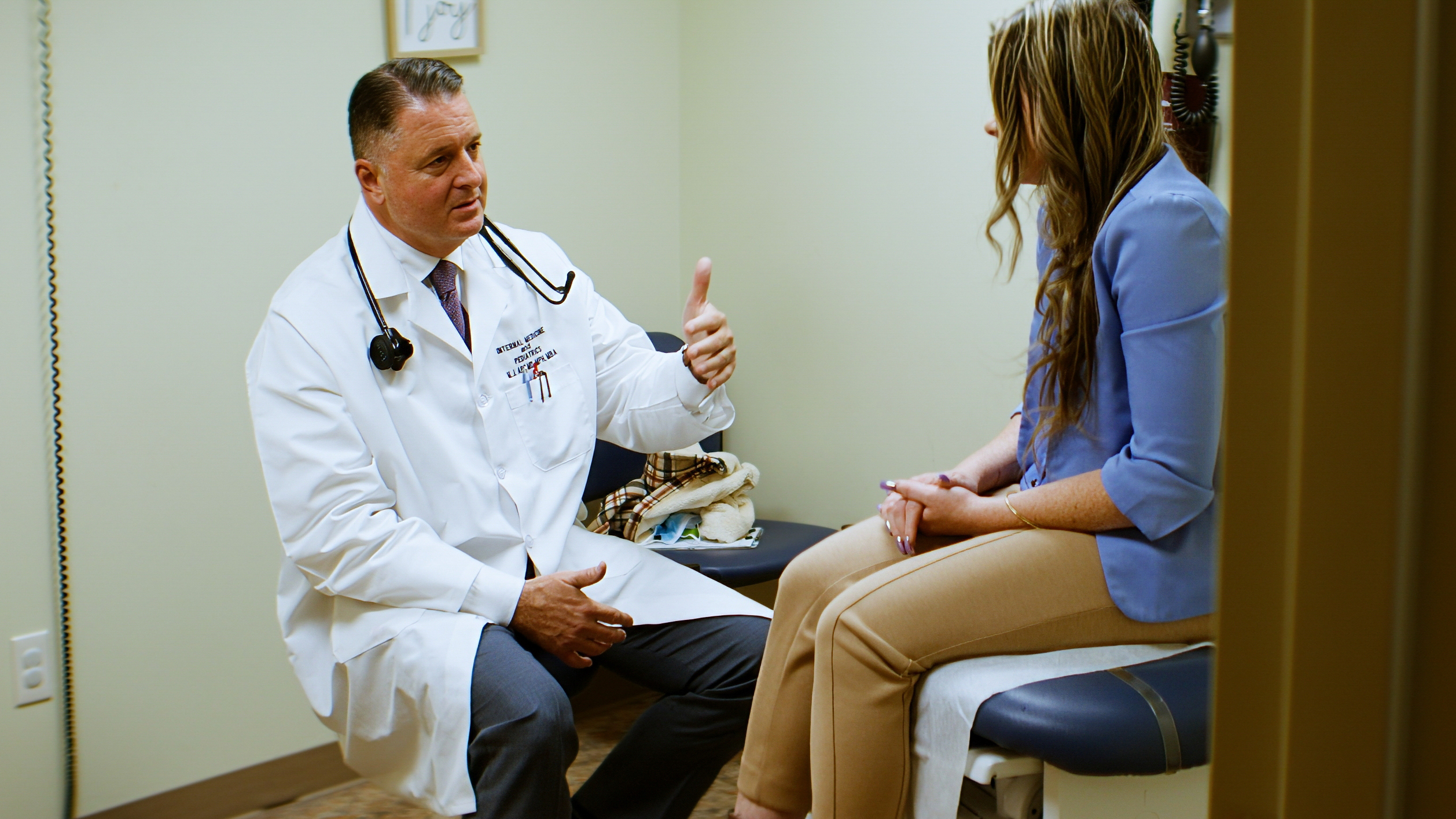
Michael App, M.D., is a lifelong resident of Grand Rapids and a busy man. He runs his own private medical [...]
Davenport University focuses on mental wellness during Mental Health Awareness Week and beyond. Mental Health Awareness Week is observed Oct. [...]
Davenport University’s Accounting, Finance and Insurance Fair on October 1 gave students and alums the chance to showcase their skills [...]