
May is Mental Health Awareness Month
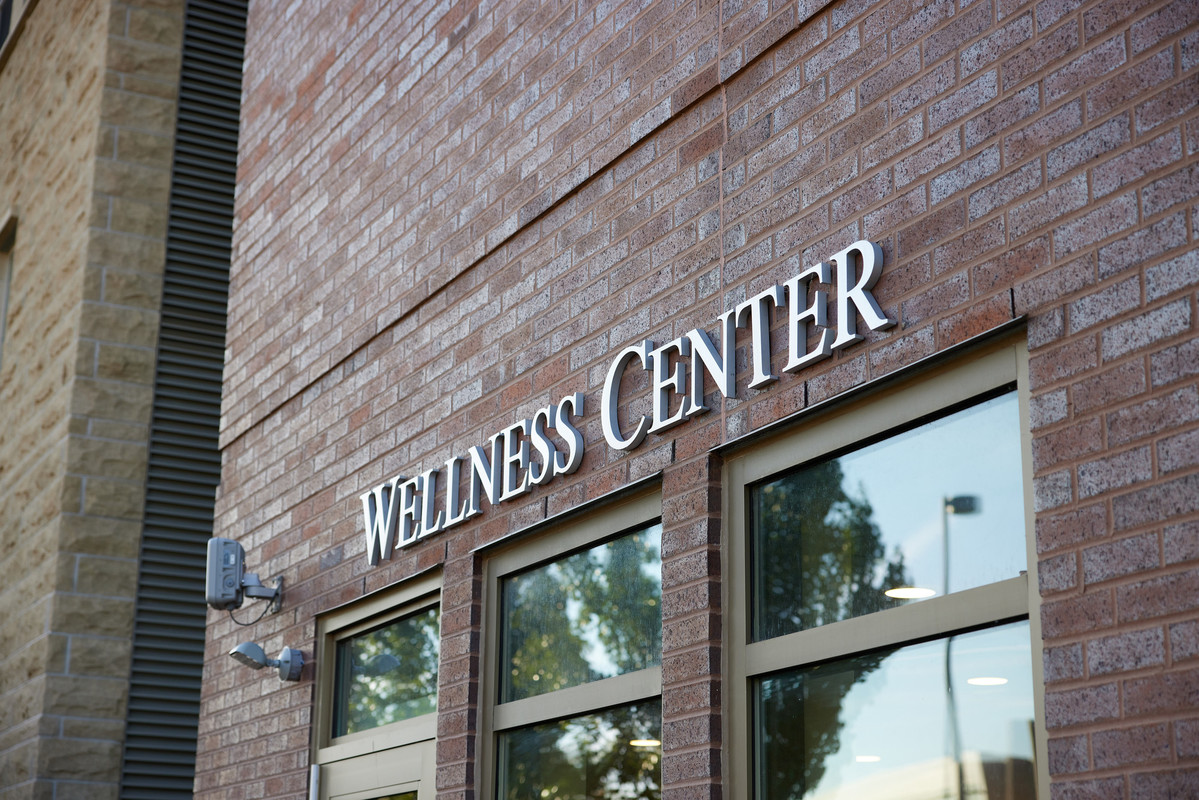
Students using services at Davenport University’s Keith & Kathryn Klingenberg Wellness Center beginning this fall will have a new option for treating a variety of mental health issues. And it won’t cost them a dime.
This cutting-edge treatment, called eye movement desensitization and reprocessing therapy (EMDR), was originally used to treat post-traumatic stress disorder, but it has also been proven highly effective in reducing depression associated with trauma and symptoms of anxiety, panic disorder, phobias, performance anxiety, eating disorders and chronic pain.
According to Darrin Oliver, lead counselor at the Wellness Center, adding EMDR treatment is a game-changer for Davenport and its students. “Most university counseling centers don’t offer EMDR, so they refer their students to community providers. Davenport’s ability to offer this specialized treatment directly to our students will put them on a fast track to healing,” he said.
Eye movement desensitization and reprocessing therapy is an evidence-based psychotherapy modality that can help people heal naturally and in a relatively short period of time, usually in about 6 to 12 sessions. It differs from traditional talk therapy in that it does not require the person to describe their trauma or triggers in detail. Instead, EMDR helps patients reprocess traumatic events or issues that were improperly stored. Using bilateral stimulation, such as side-to-side eye movements, taps or tones, the therapy helps the brain reprocess traumatic memories or triggers, reducing their emotional impact. In other words, it reduces activation of the brain’s “security alarm” (the amygdala), which stops the “fight or flight” response from triggering upon recall of the event.
The advantages of EMDR are two-fold.
“Some people dealing with these types of mental health-related issues require the support of medication and long-term talk therapy,” said Oliver. “But we anticipate that EMDR will heal many of these issues so that medication is no longer needed.”
Another plus is that EMDR often works faster than traditional talk therapy. “In addition to treating their trauma and related issues, EMDR will be a great time saver for students who are busy with classes, jobs, athletics, and for some, raising children,” said Oliver.
In addition to providing fast and long-lasting results, the benefits of EMDR also include a change in negative beliefs, improved emotional regulation and reduced physical stress.
Michaela Lewis, counselor at the Wellness Center, will begin her EMDR training this spring and looks forward to offering this new service to Davenport’s student body.
“Becoming EMDR certified has been a professional goal of mine for some time,” but more importantly, I know it will help so many of our students,” she said. “We have a high percentage of students experiencing the challenges that EMDR is effective in treating, and we estimate that it has the potential to benefit up to 60% of those on our caseload.”
Lewis is eager to help students achieve positive outcomes with less time invested. She said that EMDR treatment can sometimes replace traditional talk therapy, but most often, it is used in tandem to achieve the best results. “What I like about EMDR is that it helps the brain reprocess or finish processing a painful memory, experience or trigger so it gets stored the right way and stops feeling immediate and distressing.”
Oliver and Lewis would like to thank Davenport’s M.E. Davenport Fund at the university for making the EMDR training possible.
The Wellness Center is located on Davenport’s W.A. Lettinga Grand Rapids Campus, with virtual and in-person appointments available year-round. Health and counseling services are free to students.
Click here to learn more about the Wellness Center, its offerings or to book an appointment.
Share This Story!
May is Mental Health Awareness Month
Students using services at Davenport University’s Keith & Kathryn Klingenberg Wellness Center beginning this fall will have a new option for treating a variety of mental health issues. And it won’t cost them a dime.
This cutting-edge treatment, called eye movement desensitization and reprocessing therapy (EMDR), was originally used to treat post-traumatic stress disorder, but it has also been proven highly effective in reducing depression associated with trauma and symptoms of anxiety, panic disorder, phobias, performance anxiety, eating disorders and chronic pain.
According to Darrin Oliver, lead counselor at the Wellness Center, adding EMDR treatment is a game-changer for Davenport and its students. “Most university counseling centers don’t offer EMDR, so they refer their students to community providers. Davenport’s ability to offer this specialized treatment directly to our students will put them on a fast track to healing,” he said.
Eye movement desensitization and reprocessing therapy is an evidence-based psychotherapy modality that can help people heal naturally and in a relatively short period of time, usually in about 6 to 12 sessions. It differs from traditional talk therapy in that it does not require the person to describe their trauma or triggers in detail. Instead, EMDR helps patients reprocess traumatic events or issues that were improperly stored. Using bilateral stimulation, such as side-to-side eye movements, taps or tones, the therapy helps the brain reprocess traumatic memories or triggers, reducing their emotional impact. In other words, it reduces activation of the brain’s “security alarm” (the amygdala), which stops the “fight or flight” response from triggering upon recall of the event.
The advantages of EMDR are two-fold.
“Some people dealing with these types of mental health-related issues require the support of medication and long-term talk therapy,” said Oliver. “But we anticipate that EMDR will heal many of these issues so that medication is no longer needed.”
Another plus is that EMDR often works faster than traditional talk therapy. “In addition to treating their trauma and related issues, EMDR will be a great time saver for students who are busy with classes, jobs, athletics, and for some, raising children,” said Oliver.
In addition to providing fast and long-lasting results, the benefits of EMDR also include a change in negative beliefs, improved emotional regulation and reduced physical stress.
Michaela Lewis, counselor at the Wellness Center, will begin her EMDR training this spring and looks forward to offering this new service to Davenport’s student body.
“Becoming EMDR certified has been a professional goal of mine for some time,” but more importantly, I know it will help so many of our students,” she said. “We have a high percentage of students experiencing the challenges that EMDR is effective in treating, and we estimate that it has the potential to benefit up to 60% of those on our caseload.”
Lewis is eager to help students achieve positive outcomes with less time invested. She said that EMDR treatment can sometimes replace traditional talk therapy, but most often, it is used in tandem to achieve the best results. “What I like about EMDR is that it helps the brain reprocess or finish processing a painful memory, experience or trigger so it gets stored the right way and stops feeling immediate and distressing.”
Oliver and Lewis would like to thank Davenport’s M.E. Davenport Fund at the university for making the EMDR training possible.
The Wellness Center is located on Davenport’s W.A. Lettinga Grand Rapids Campus, with virtual and in-person appointments available year-round. Health and counseling services are free to students.
Click here to learn more about the Wellness Center, its offerings or to book an appointment.
Share This Story!
Stay connected!
Get the latest Davenpost News delivered to your inbox!
Related Stories

Davenport nurses brave the frontlines across the nation in the battle against COVID-19 As nursing and health care professionals around [...]
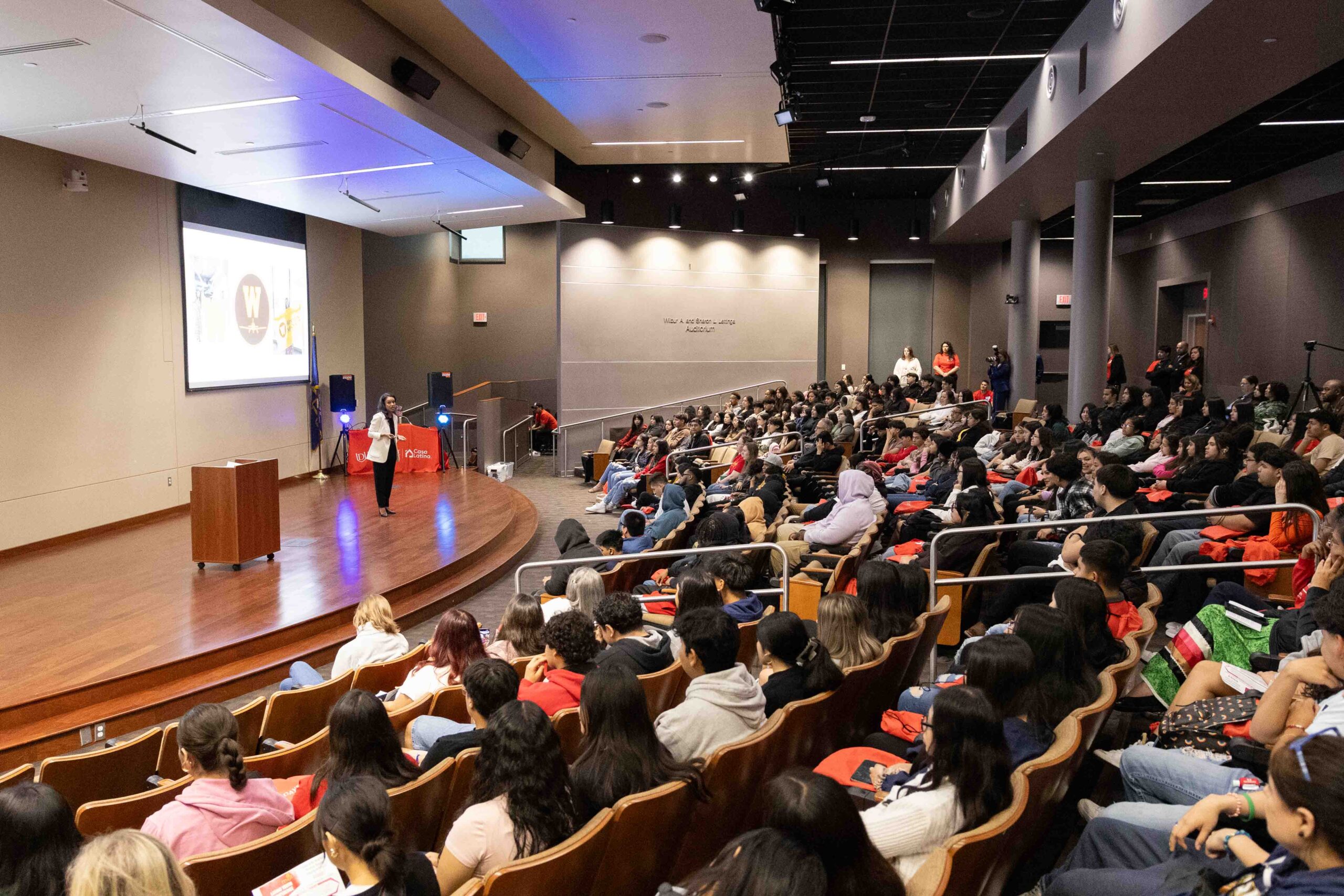
More than 200 Latino high school students from across the state recently descended on Davenport University’s Grand Rapids Lettinga Campus [...]

Each spring, Davenport University holds its annual Pawscars Awards Ceremony to recognize its outstanding students, to honor registered student organizations [...]
Latest Stories
Davenport University is expanding its approach to career services. The unit is changing its name and focus to create more [...]
For Robin Ojo, continuing her education has always had to fit alongside a full life. Ojo was raising three children [...]
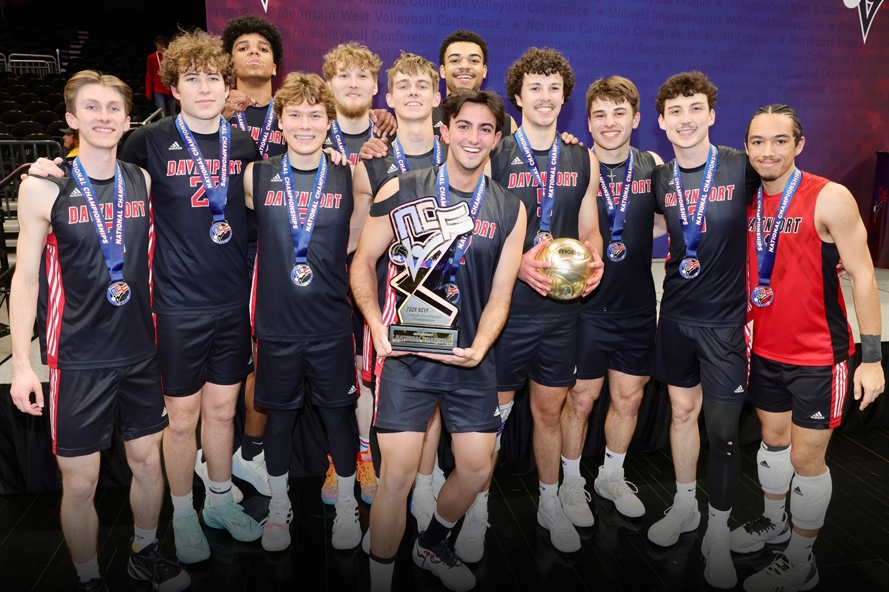
Davenport University’s men’s volleyball program has had its ups and downs and struggled to net the sport’s top prize, but [...]