
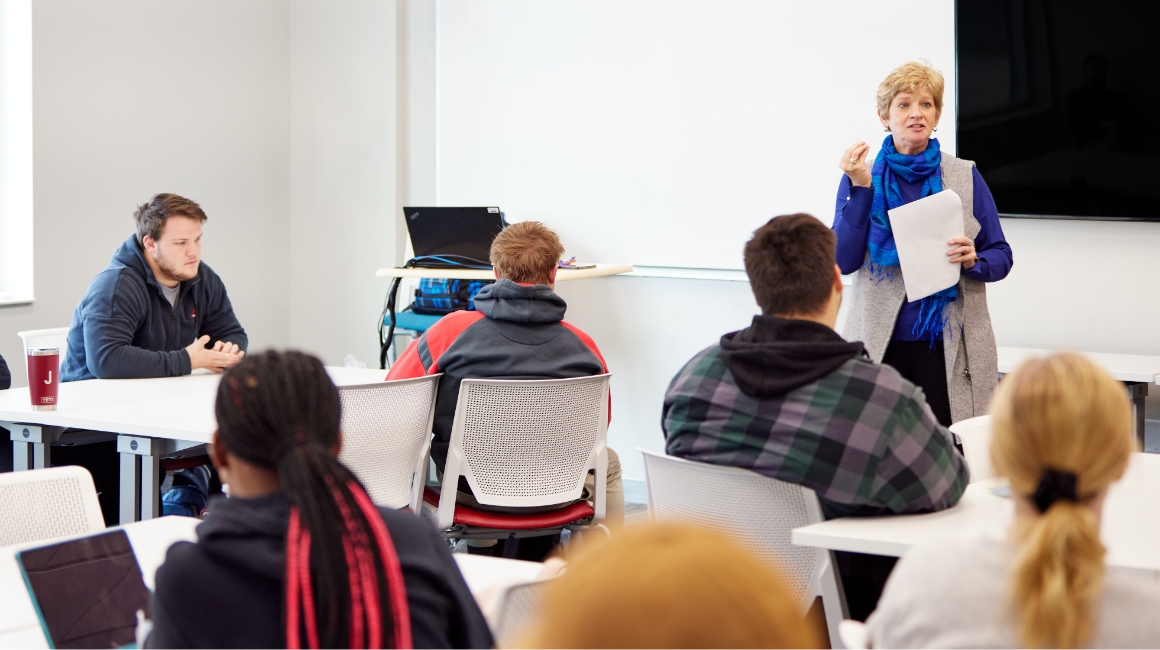
This is an article in a series on Davenport’s first-generation students, meaning neither of their parents has a bachelor’s degree.
The path to college isn’t always smooth, especially for students whose parents have not received a bachelor’s degree. These first-generation trailblazers navigate uncharted territory, often with little guidance. Many find themselves in the dark when it comes to applying to and choosing a college, paying for their education and navigating life as a college student.
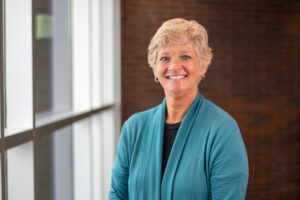 Jodi Hicks, Davenport University’s director of Student Transitions and Academic Readiness, identified the roadblocks first-gen students encounter and decided to do something about it.
In 2020, she, along with others at Davenport, launched the university’s First-Generation Initiative, with a clear mission: to create intentional programming that helps first-generation students thrive in college and earn a degree. “Everyone deserves a chance to reach their goals and become who they want to be, and our program helps make that a reality,” said Hicks.
Currently, 52% of Davenport students are first-generation, and according to National Center for Education Statistics data, they face significant financial, academic and emotional challenges and tend to graduate at lower rates than their peers.
The financial challenges first-gen students and their families face can make it seem like a college degree is out of reach. Hicks said that first-generation students often come from lower socio-economic backgrounds, or they are unsure how to apply for scholarships or what other avenues are available to make college more affordable.
Academic challenges can stem from a lack of understanding of the nuances of college. Hicks said that first-generation students are generally less likely to engage with faculty, participate in classroom discussions and ask questions, and they tend to have greater confusion about assignments and what the faculty expect of them.
Emotional challenges include feeling less confident and having higher amounts of anxiety than non-first-gen students. They also struggle with motivation and lack a strong sense of belonging.
“These obstacles can feel insurmountable to first-gen students, but we try to help address all of them in our First Generation Student Success Initiative,” said Hicks. “My purpose as an educator is to support and encourage these students to be the best they can be, and what we have found is that if we can get them to succeed and stay the first year, their chances of graduating increase.”
So far, the First-Generation Student Success Initiative seems to be making a real difference. Students participating in the program are showing strong retention improvements, with 78% continuing to progress toward graduation.
The initiative has a two-pronged approach.
Hicks’s ACES class, a first-year success course, is tailored to first-gen students and designed to recognize and address the unique challenges they face; challenges that could easily derail their collegiate journey before it even has a chance to begin.
“I try very hard to help my students overcome these challenges and to feel a real sense of belonging at Davenport,” said Hicks. “Connecting them with helpful resources is key, as well as explaining the ‘why’ behind assignments and incorporating activities to reinforce lessons.”
The First-Generation Peer Mentor Program, now active on all Davenport campuses, pairs first-generation students with peer mentors who provide guidance on navigating college life, coursework and accessing essential resources. This mentorship has proven to reduce student stress, build community and create a supportive environment that empowers first-generation students to thrive.
Participation in the mentoring program has grown steadily each year since its inception in 2019, accompanied by an increase in retention rates. From Fall 2023 to Fall 2024, the retention rate of mentees was 79% compared to 50% for those who chose not to participate.

The Peer-Mentoring program currently has 17 mentors and 53 mentees, including first-year student and wrestler Cellyon Benning.
He said the program has been beneficial because it provides guidance, support and encouragement. “The Peer Mentor program has helped me adjust to college life and to feel more connected on campus,” Benning said. “It’s also helped me to be more confident, stay focused, and succeed both academically and personally,” he said.
Benning’s mentor, Jaremey McQueen, said if he hadn’t been involved in the Peer Mentoring program when he first came to Davenport, he would have felt lost and most likely would have gone home. “The program helped me see that I wasn’t the only one who needed someone to lean on, and that’s why I’m a mentor, because I want to be the one to help others,” McQueen said.
Hicks said there are an additional 232 first-year first-gen students who have chosen not to participate in peer mentoring, but she stresses that they all have access to mentors. In fact, peer mentor captains reach out to all first-gen students bi-weekly to offer support and encouragement, regardless of whether they are officially participating in the program.
The effort to include all first-gen students is new, and Hicks is proud of the program’s continual progression. “In all actuality, all first-year, first-gen students are now mentored in some fashion this fall,” said Hicks. “While it’s too soon to tell how effective this team approach will be, I have faith it will yield positive results.”
Hicks said she never tires of watching a student thrive at Davenport, especially if they struggled a bit at first. “Watching my first-gen students succeed is very rewarding, but really more humbling,” said Hicks. “To be able to walk alongside a student and provide the support and encouragement they need is so gratifying. The sense of accomplishment a first-gen student feels when they graduate is tremendous, and the impact that has on their family and friends is immeasurable.”
While it may sound a bit corny, Hicks said the old saying, ‘where there is a will, there is a way,’ really does apply to first-gen students. “We have so many resources at Davenport, in addition to the First-Generation Student Success Initiative, to help students succeed. If a student has the will and makes the effort, they really can be successful.”
Share This Story!
This is an article in a series on Davenport’s first-generation students, meaning neither of their parents has a bachelor’s degree.
The path to college isn’t always smooth, especially for students whose parents have not received a bachelor’s degree. These first-generation trailblazers navigate uncharted territory, often with little guidance. Many find themselves in the dark when it comes to applying to and choosing a college, paying for their education and navigating life as a college student.
Jodi Hicks, Davenport University’s director of Student Transitions and Academic Readiness, identified the roadblocks first-gen students encounter and decided to do something about it.
In 2020, she, along with others at Davenport, launched the university’s First-Generation Initiative, with a clear mission: to create intentional programming that helps first-generation students thrive in college and earn a degree. “Everyone deserves a chance to reach their goals and become who they want to be, and our program helps make that a reality,” said Hicks.
Currently, 52% of Davenport students are first-generation, and according to National Center for Education Statistics data, they face significant financial, academic and emotional challenges and tend to graduate at lower rates than their peers.
The financial challenges first-gen students and their families face can make it seem like a college degree is out of reach. Hicks said that first-generation students often come from lower socio-economic backgrounds, or they are unsure how to apply for scholarships or what other avenues are available to make college more affordable.
Academic challenges can stem from a lack of understanding of the nuances of college. Hicks said that first-generation students are generally less likely to engage with faculty, participate in classroom discussions and ask questions, and they tend to have greater confusion about assignments and what the faculty expect of them.
Emotional challenges include feeling less confident and having higher amounts of anxiety than non-first-gen students. They also struggle with motivation and lack a strong sense of belonging.
“These obstacles can feel insurmountable to first-gen students, but we try to help address all of them in our First Generation Student Success Initiative,” said Hicks. “My purpose as an educator is to support and encourage these students to be the best they can be, and what we have found is that if we can get them to succeed and stay the first year, their chances of graduating increase.”
So far, the First-Generation Student Success Initiative seems to be making a real difference. Students participating in the program are showing strong retention improvements, with 78% continuing to progress toward graduation.
The initiative has a two-pronged approach.
Hicks’s ACES class, a first-year success course, is tailored to first-gen students and designed to recognize and address the unique challenges they face; challenges that could easily derail their collegiate journey before it even has a chance to begin.
“I try very hard to help my students overcome these challenges and to feel a real sense of belonging at Davenport,” said Hicks. “Connecting them with helpful resources is key, as well as explaining the ‘why’ behind assignments and incorporating activities to reinforce lessons.”
The First-Generation Peer Mentor Program, now active on all Davenport campuses, pairs first-generation students with peer mentors who provide guidance on navigating college life, coursework and accessing essential resources. This mentorship has proven to reduce student stress, build community and create a supportive environment that empowers first-generation students to thrive.
Participation in the mentoring program has grown steadily each year since its inception in 2019, accompanied by an increase in retention rates. From Fall 2023 to Fall 2024, the retention rate of mentees was 79% compared to 50% for those who chose not to participate.
The Peer-Mentoring program currently has 17 mentors and 53 mentees, including first-year student and wrestler Cellyon Benning.
He said the program has been beneficial because it provides guidance, support and encouragement. “The Peer Mentor program has helped me adjust to college life and to feel more connected on campus,” Benning said. “It’s also helped me to be more confident, stay focused, and succeed both academically and personally,” he said.
Benning’s mentor, Jaremey McQueen, said if he hadn’t been involved in the Peer Mentoring program when he first came to Davenport, he would have felt lost and most likely would have gone home. “The program helped me see that I wasn’t the only one who needed someone to lean on, and that’s why I’m a mentor, because I want to be the one to help others,” McQueen said.
Hicks said there are an additional 232 first-year first-gen students who have chosen not to participate in peer mentoring, but she stresses that they all have access to mentors. In fact, peer mentor captains reach out to all first-gen students bi-weekly to offer support and encouragement, regardless of whether they are officially participating in the program.
The effort to include all first-gen students is new, and Hicks is proud of the program’s continual progression. “In all actuality, all first-year, first-gen students are now mentored in some fashion this fall,” said Hicks. “While it’s too soon to tell how effective this team approach will be, I have faith it will yield positive results.”
Hicks said she never tires of watching a student thrive at Davenport, especially if they struggled a bit at first. “Watching my first-gen students succeed is very rewarding, but really more humbling,” said Hicks. “To be able to walk alongside a student and provide the support and encouragement they need is so gratifying. The sense of accomplishment a first-gen student feels when they graduate is tremendous, and the impact that has on their family and friends is immeasurable.”
While it may sound a bit corny, Hicks said the old saying, ‘where there is a will, there is a way,’ really does apply to first-gen students. “We have so many resources at Davenport, in addition to the First-Generation Student Success Initiative, to help students succeed. If a student has the will and makes the effort, they really can be successful.”
Share This Story!
Stay connected!
Get the latest Davenpost News delivered to your inbox!
Related Stories
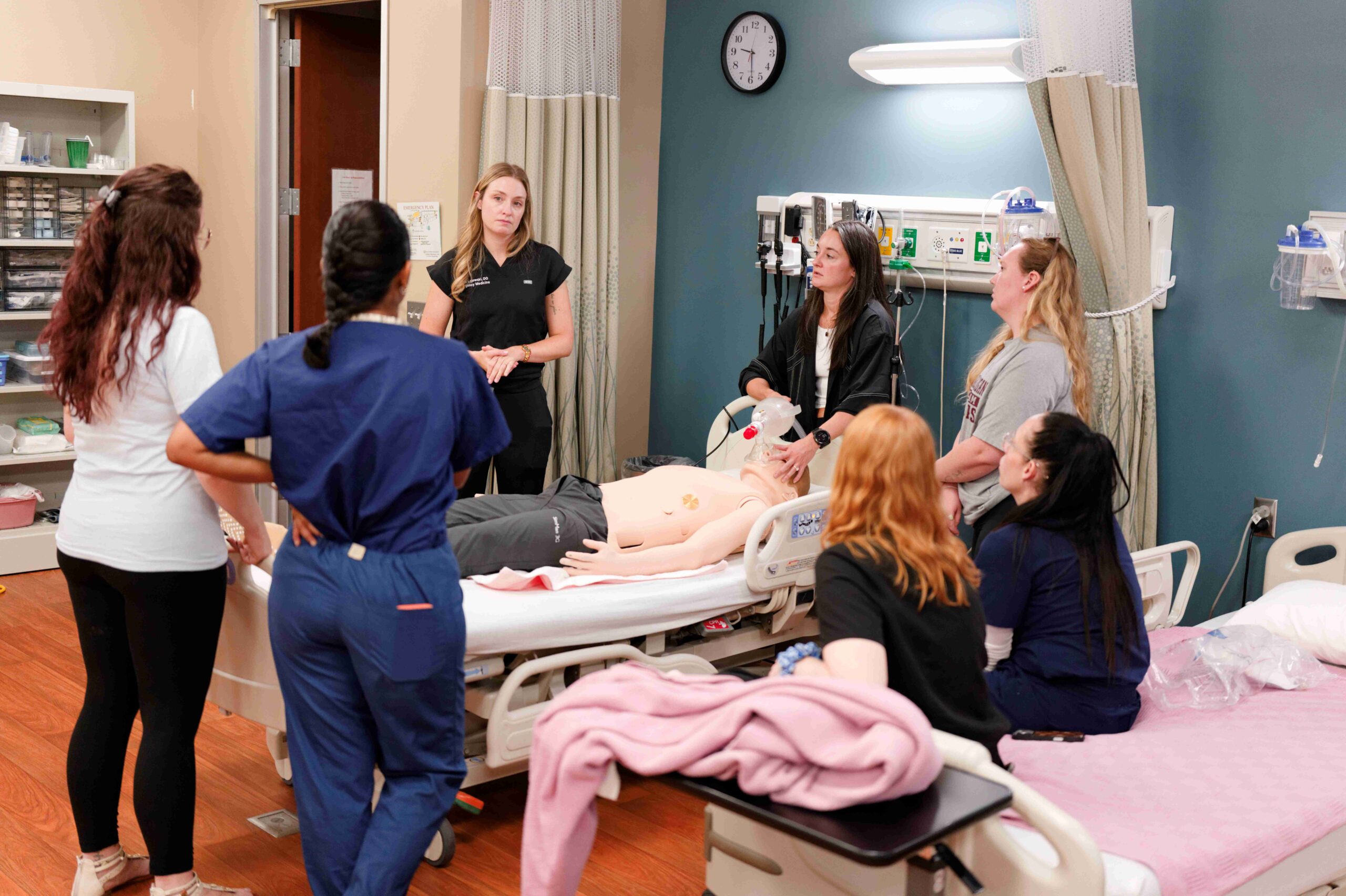
Photo credit: Ning Zhu Davenport University’s nursing program recently hosted University of Michigan Health-West emergency medicine residents to the [...]

As seen in the Fall 2024 DU Review magazine According to the National Center for Education Statistics data, first-generation students [...]

Davenport University is recognized as a Veteran-Friendly School by the Michigan Veterans Affairs Agency (MVAA). The university is honored at [...]
Latest Stories
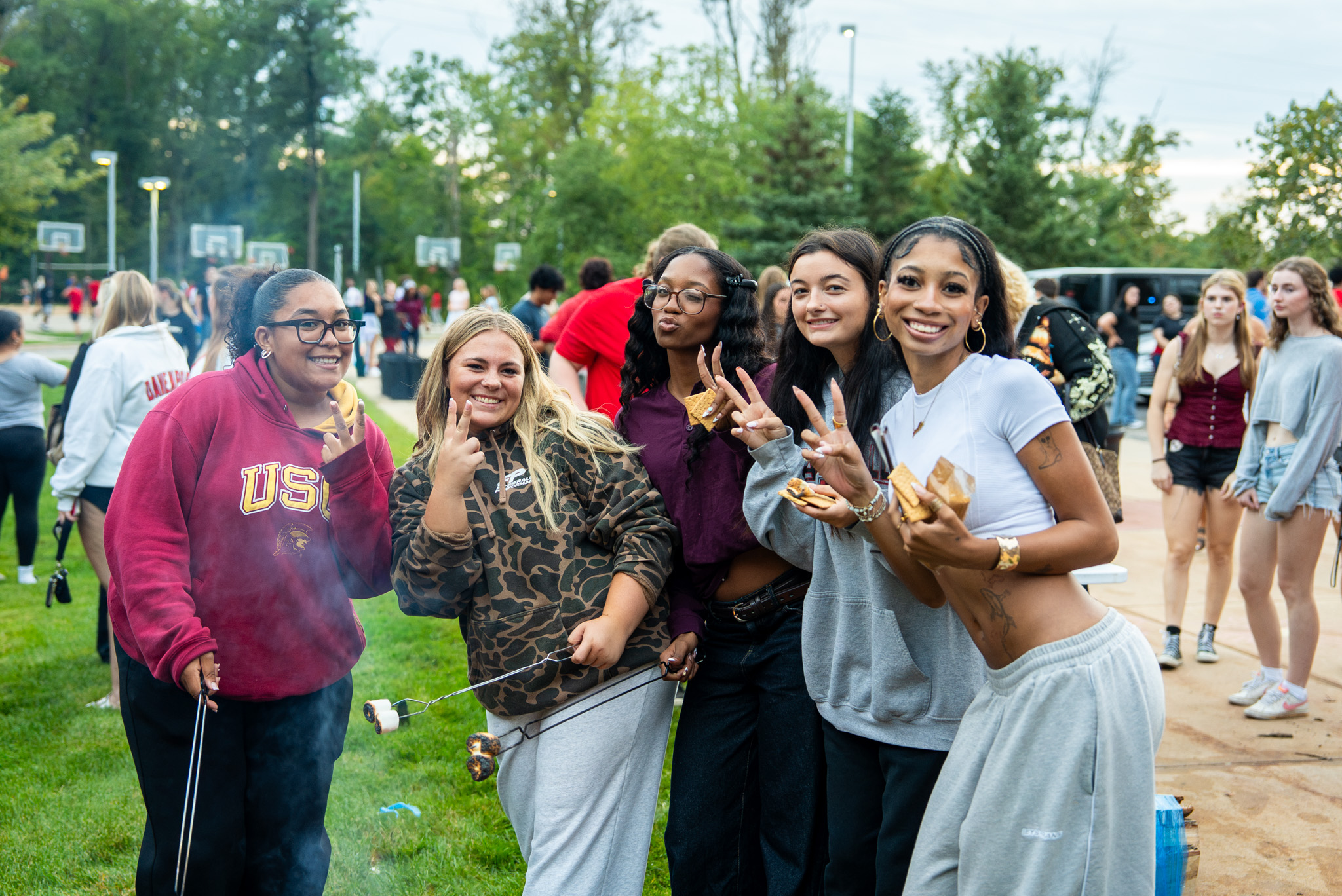
Click here to see Welcome Week in action. Welcome Week at Davenport University’s W.A. Lettinga Grand Rapids Campus means [...]
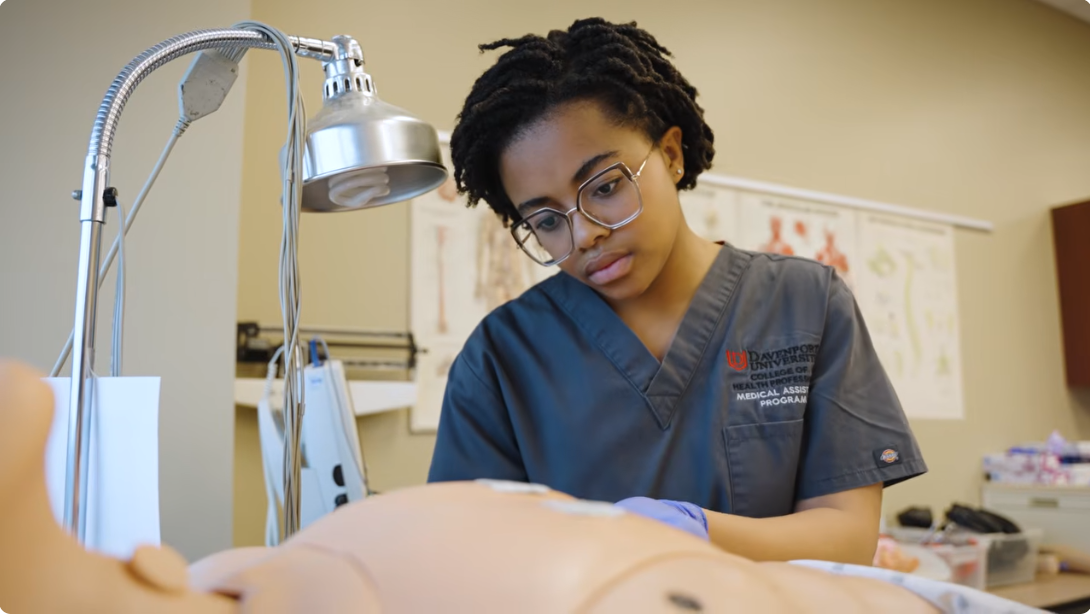
Davenport University partnered with Kent ISD students to create this video highlighting the partnership. Davenport University is addressing the healthcare [...]

Transfer students accounted for nearly half of Davenport University’s enrollment in fall 2025, underscoring the growing importance of alternative pathways [...]