

 Davenport’s Dean of the College of Health Professions Amy Stahley, Ph.D., understands the nursing shortage in Michigan and also has ideas on how to address it. Davenport University has a strong nursing program and opportunities for those wanting to work in the profession.
Below is her commentary that appeared in Crain’s Business publications:
Michigan can’t afford to leave nursing students behind
Michigan’s nursing shortage has reached a crisis point. As highlighted in your Sept. 5 article “Michigan needs more nurses — yet students are getting turned away. Here’s why.”, our state urgently needs more nurses — yet many students who want to answer that call are being turned away.
The problem is not a lack of interest in nursing. In fact, thousands of qualified students apply to programs each year. The bottleneck lies in limited program capacity: too few faculty, too few clinical placements, and uneven funding streams.
The irony is stark. While some of the largest programs are forced to turn away applicants, other nursing schools — particularly mid-sized and private universities — still have open seats. These are capable programs with accredited curricula, strong clinical partnerships, and students eager to serve, yet they operate below capacity while the state pleads for more nurses.
This disconnect points to a larger truth: Michigan’s nursing shortage is not simply a higher education problem. It is a workforce crisis with direct implications for patient care, hospital capacity, and community health. Addressing it requires statewide coordination and a willingness to rethink old funding and policy models.
First, scholarships and tuition support must follow the student. Today, too much of Michigan’s nursing education funding is tied to specific institutions, often leaving private and mid-sized universities underutilized. If a student earns a seat at a quality nursing program, public or private, they should have equal access to financial aid. The priority should be getting them into the workforce, not restricting their options.
Second, health systems should be incentivized to expand clinical placements across all programs, not just the largest ones. Too often, hospital partnerships concentrate with a few institutions, leaving others scrambling to find placements even when they have eager students ready to learn. By distributing placements more equitably, we can leverage every available educational pathway.
Finally, Michigan needs a coordinated, statewide effort to connect students with every open nursing seat. Just as states have centralized systems to match medical residents with hospitals, we should create a platform that ensures no seat goes unfilled and no qualified student is left without an option.
At Davenport University, where I serve as dean of the College of Health Professions, I see every day the dedication of students who want nothing more than to serve their communities. They are ready to learn, ready to work, and ready to step into a profession that desperately needs them. What they need from us — educators, policymakers and health leaders — is a system that clears the path.
Michigan’s nursing shortage is urgent, but it is also solvable. By aligning funding with students, incentivizing clinical placements across the full spectrum of nursing programs, and creating a coordinated seat-matching effort, we can move from scarcity to opportunity. The future of our health care workforce depends on it.
Share This Story!
Davenport’s Dean of the College of Health Professions Amy Stahley, Ph.D., understands the nursing shortage in Michigan and also has ideas on how to address it. Davenport University has a strong nursing program and opportunities for those wanting to work in the profession.
Below is her commentary that appeared in Crain’s Business publications:
Michigan can’t afford to leave nursing students behind
Michigan’s nursing shortage has reached a crisis point. As highlighted in your Sept. 5 article “Michigan needs more nurses — yet students are getting turned away. Here’s why.”, our state urgently needs more nurses — yet many students who want to answer that call are being turned away.
The problem is not a lack of interest in nursing. In fact, thousands of qualified students apply to programs each year. The bottleneck lies in limited program capacity: too few faculty, too few clinical placements, and uneven funding streams.
The irony is stark. While some of the largest programs are forced to turn away applicants, other nursing schools — particularly mid-sized and private universities — still have open seats. These are capable programs with accredited curricula, strong clinical partnerships, and students eager to serve, yet they operate below capacity while the state pleads for more nurses.
This disconnect points to a larger truth: Michigan’s nursing shortage is not simply a higher education problem. It is a workforce crisis with direct implications for patient care, hospital capacity, and community health. Addressing it requires statewide coordination and a willingness to rethink old funding and policy models.
First, scholarships and tuition support must follow the student. Today, too much of Michigan’s nursing education funding is tied to specific institutions, often leaving private and mid-sized universities underutilized. If a student earns a seat at a quality nursing program, public or private, they should have equal access to financial aid. The priority should be getting them into the workforce, not restricting their options.
Second, health systems should be incentivized to expand clinical placements across all programs, not just the largest ones. Too often, hospital partnerships concentrate with a few institutions, leaving others scrambling to find placements even when they have eager students ready to learn. By distributing placements more equitably, we can leverage every available educational pathway.
Finally, Michigan needs a coordinated, statewide effort to connect students with every open nursing seat. Just as states have centralized systems to match medical residents with hospitals, we should create a platform that ensures no seat goes unfilled and no qualified student is left without an option.
At Davenport University, where I serve as dean of the College of Health Professions, I see every day the dedication of students who want nothing more than to serve their communities. They are ready to learn, ready to work, and ready to step into a profession that desperately needs them. What they need from us — educators, policymakers and health leaders — is a system that clears the path.
Michigan’s nursing shortage is urgent, but it is also solvable. By aligning funding with students, incentivizing clinical placements across the full spectrum of nursing programs, and creating a coordinated seat-matching effort, we can move from scarcity to opportunity. The future of our health care workforce depends on it.
Share This Story!
Stay connected!
Get the latest Davenpost News delivered to your inbox!
Related Stories

President Richard J. Pappas, Ed.D., participated in a panel discussion on August 21 with Inside Higher Ed. The topic of [...]

There are many misconceptions people have when it comes to going to college; these can consume your mind whether or [...]
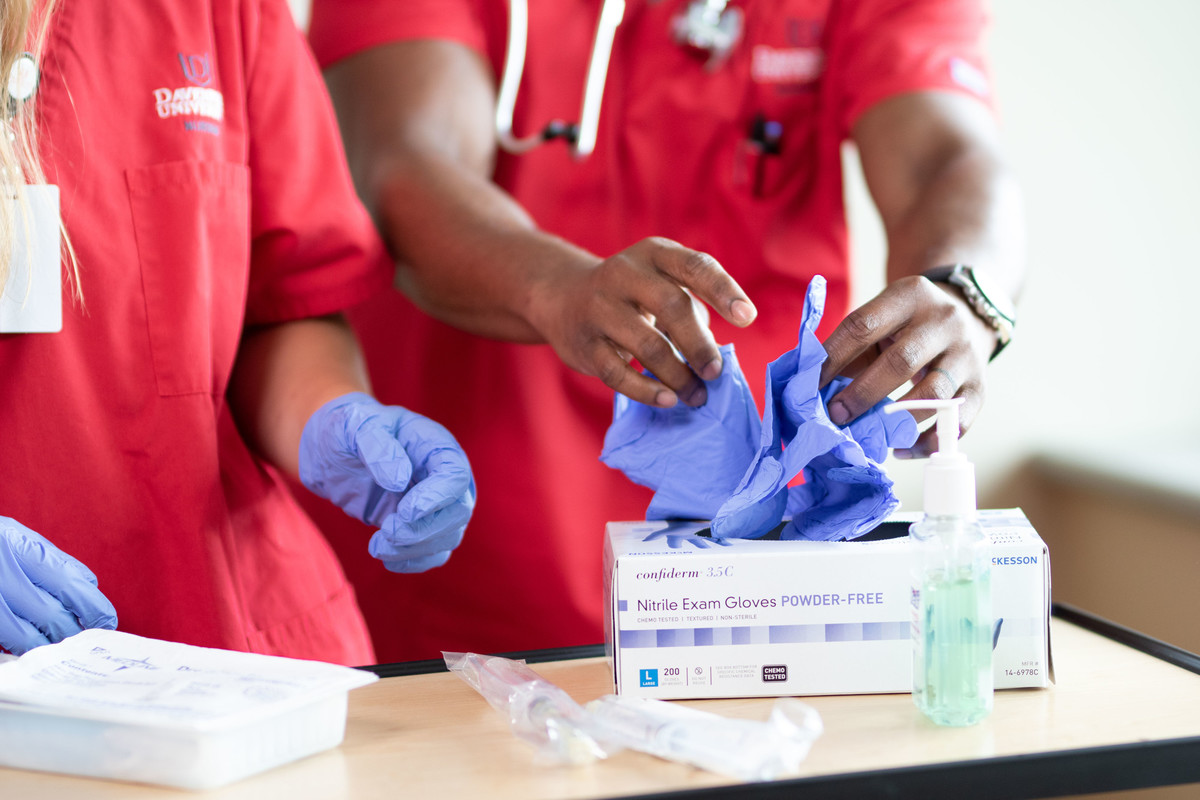
Michael Keim’s journey to become a nurse was not a traditional one, however Davenport University’s nursing program helped him transform [...]
Latest Stories
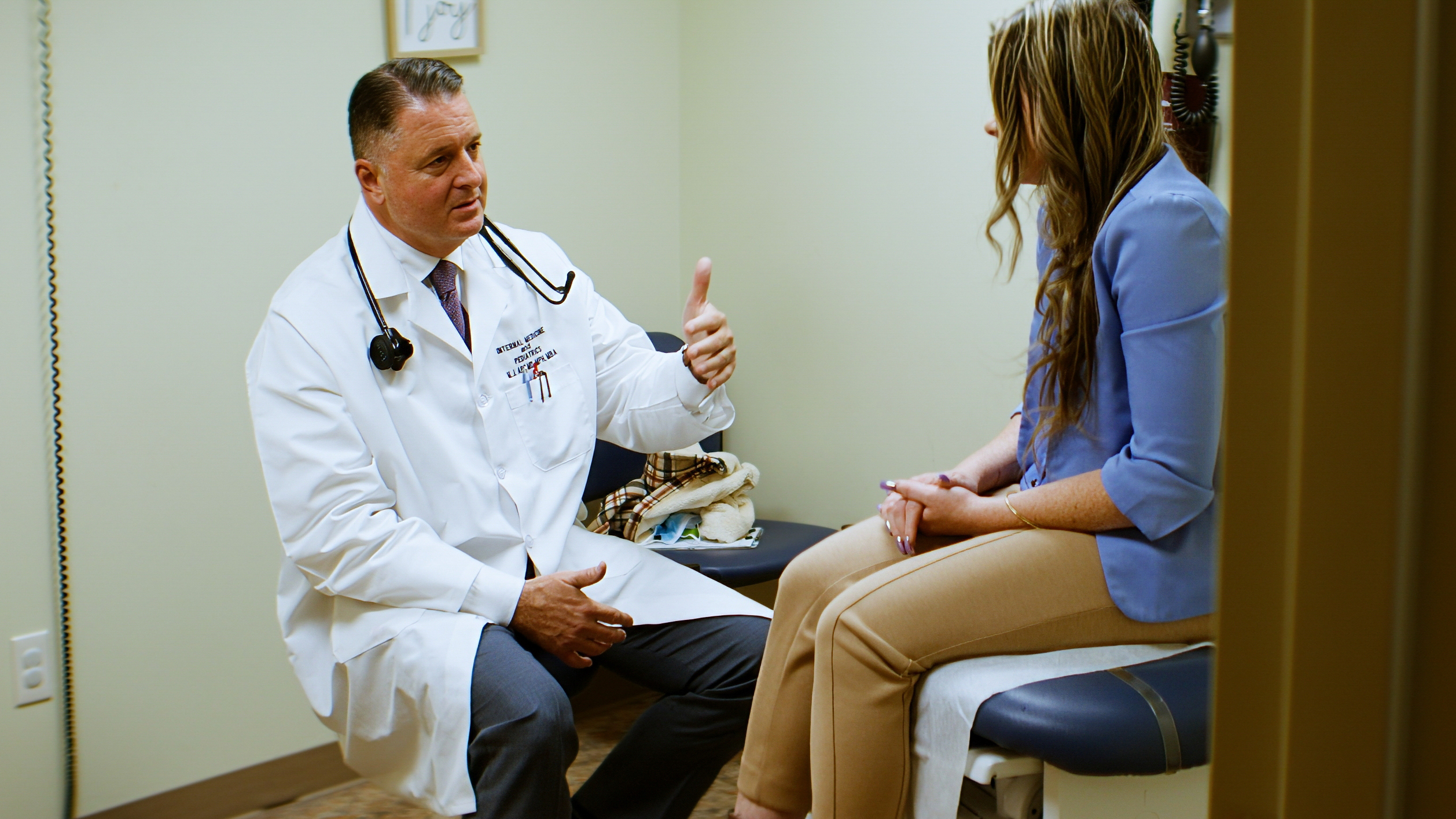
Michael App, M.D., is a lifelong resident of Grand Rapids and a busy man. He runs his own private medical [...]

Davenport University focuses on mental wellness during Mental Health Awareness Week and beyond. Mental Health Awareness Week is observed Oct. [...]

Davenport University’s Accounting, Finance and Insurance Fair on October 1 gave students and alums the chance to showcase their skills [...]