
Kathryn Scanland is an independent consultant from Chicago who works with Davenport University’s Institute for Professional Excellence (IPEx). She holds a doctorate in management and focuses on leadership and organizational management, as well as strategic planning.
Through her work with IPEx, Scanland facilitated a management training program for employees at ODL, Inc., a leading building products supplier of decorative and clear door glass and entry treatments based out of Zeeland, Mich.
Tell us about the training at ODL.
Over the course of a year, employees are learning to raise the bar on human interaction. It started with a DISC assessment to help them better understand themselves and others. Then we built on that knowledge to understand the essentials of supervision, employee motivation and communication, as well as how to manage change and conflict resolution.
Why is it important for companies to invest in training their employees?
I believe it’s important because, to quote Patrick Lencioni, he says that “an organization’s greatest competitive advantage today is their ability to work in teams.” Helping people figure out how to work together, better, in any organization is going to help give them a competitive advantage.
What kind of impact does this have for manufacturing in particular?
Manufacturing tends to attract people that are more task-oriented, so you don’t always get people who are as on the “people side” of the equation. I think that in manufacturing, two key things they’re always looking for are how to reduce scrap and how to increase inventory turns.
The way they’re going to do that is no longer dependent on the task side, but how quickly someone new can understand the task they’re supposed to do. They need to ask questions like:
- How can you motivate people to make sure they really show up on time and you’re starting the next shift on time?
- How do you supervise someone to make sure they’re really completing their job at the end of the day — so when the next shift shows up they can immediately start?
- Everybody has to do it faster and with less money, every day, so how do you motivate people to be excited about that?
It’s those things that can make a big difference on the bottom line.
What do the participants get out of it?
I received this email from a participant …
“I am fortunate enough to do some professional development training every year, and have never learned so many best practices in such a short amount of time as I have from your instruction. It has really helped me to improve as head coach, and I’m seeing most of my leaders act and behave in an improved and more effective manner.”
Any additional benefits for ODL?
They build relationships with people in the organization that they either didn’t know, or didn’t know well, or haven’t formed relationships with. Because there was an online portion, that allowed some supervisors to expand their technology skills as well.
Share This Story!
Kathryn Scanland is an independent consultant from Chicago who works with Davenport University’s Institute for Professional Excellence (IPEx). She holds a doctorate in management and focuses on leadership and organizational management, as well as strategic planning.
Through her work with IPEx, Scanland facilitated a management training program for employees at ODL, Inc., a leading building products supplier of decorative and clear door glass and entry treatments based out of Zeeland, Mich.
Tell us about the training at ODL.
Over the course of a year, employees are learning to raise the bar on human interaction. It started with a DISC assessment to help them better understand themselves and others. Then we built on that knowledge to understand the essentials of supervision, employee motivation and communication, as well as how to manage change and conflict resolution.
Why is it important for companies to invest in training their employees?
I believe it’s important because, to quote Patrick Lencioni, he says that “an organization’s greatest competitive advantage today is their ability to work in teams.” Helping people figure out how to work together, better, in any organization is going to help give them a competitive advantage.
What kind of impact does this have for manufacturing in particular?
Manufacturing tends to attract people that are more task-oriented, so you don’t always get people who are as on the “people side” of the equation. I think that in manufacturing, two key things they’re always looking for are how to reduce scrap and how to increase inventory turns.
The way they’re going to do that is no longer dependent on the task side, but how quickly someone new can understand the task they’re supposed to do. They need to ask questions like:
- How can you motivate people to make sure they really show up on time and you’re starting the next shift on time?
- How do you supervise someone to make sure they’re really completing their job at the end of the day — so when the next shift shows up they can immediately start?
- Everybody has to do it faster and with less money, every day, so how do you motivate people to be excited about that?
It’s those things that can make a big difference on the bottom line.
What do the participants get out of it?
I received this email from a participant …
“I am fortunate enough to do some professional development training every year, and have never learned so many best practices in such a short amount of time as I have from your instruction. It has really helped me to improve as head coach, and I’m seeing most of my leaders act and behave in an improved and more effective manner.”
Any additional benefits for ODL?
They build relationships with people in the organization that they either didn’t know, or didn’t know well, or haven’t formed relationships with. Because there was an online portion, that allowed some supervisors to expand their technology skills as well.
Share This Story!
Stay connected!
Get the latest Davenpost News delivered to your inbox!
Related Stories
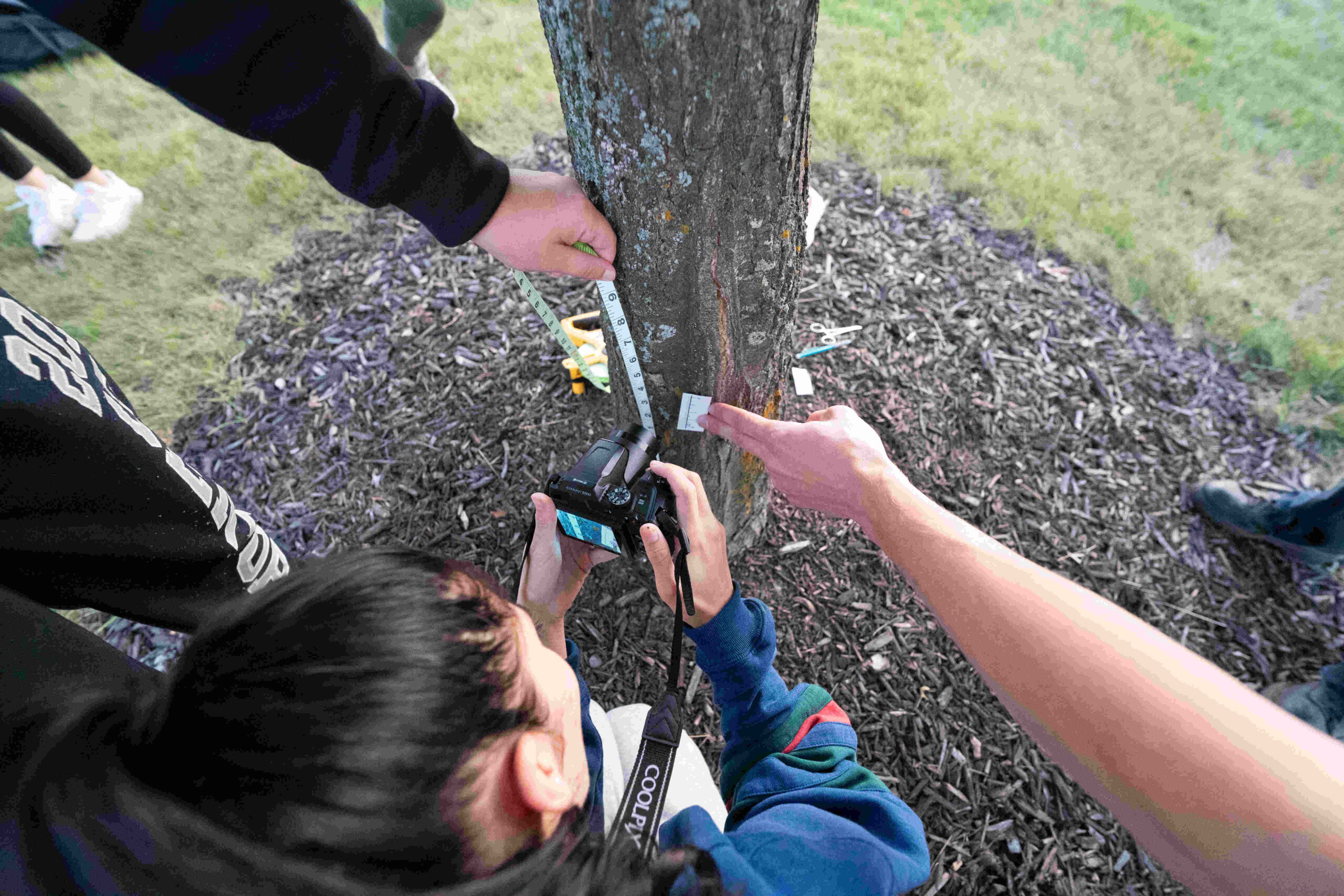
Students in Davenport University's forensics class got quite a surprise recently. Just as they were settling in for Professor William [...]
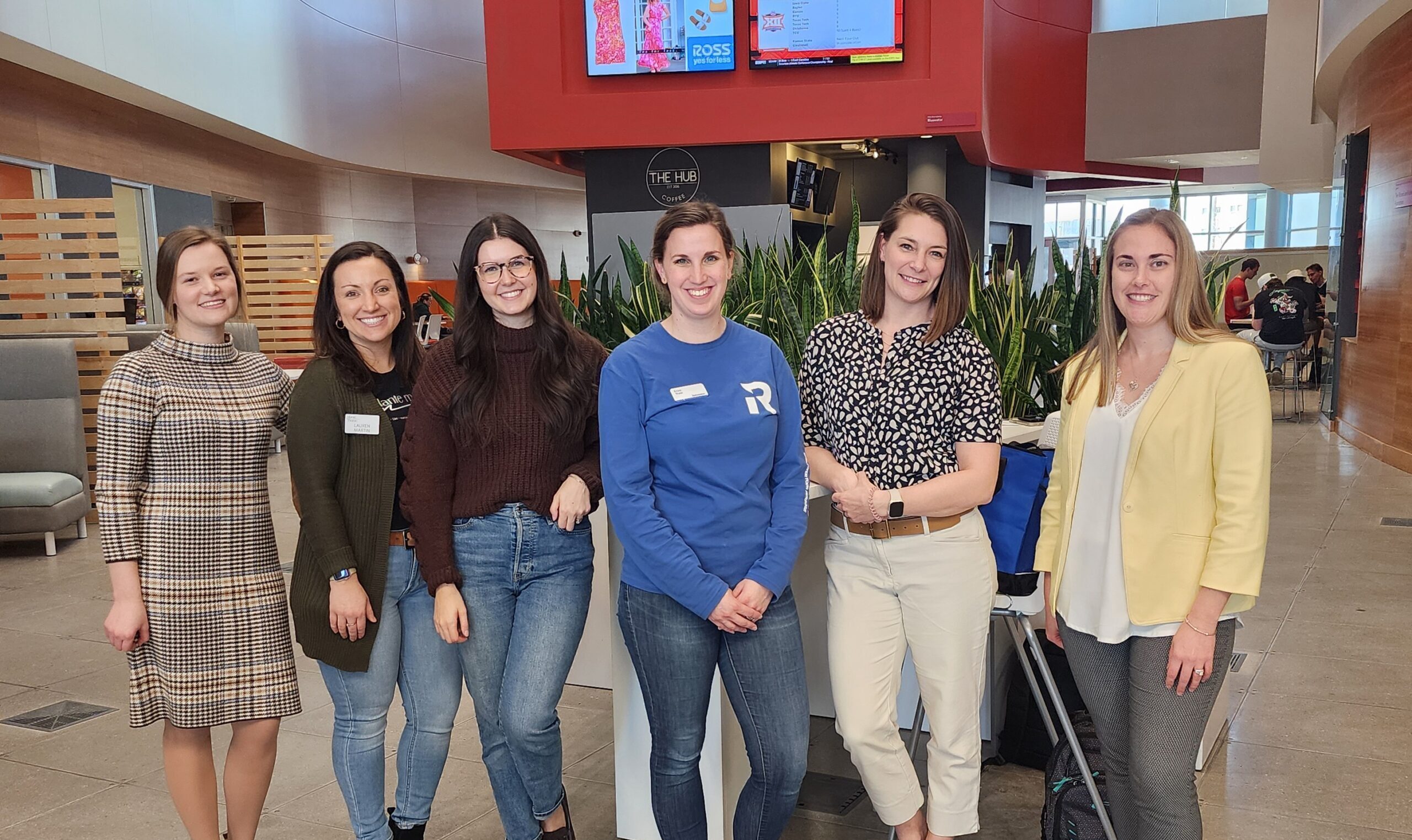
Educators at Davenport University take every opportunity to connect students with industry experts to expand upon what is being taught [...]
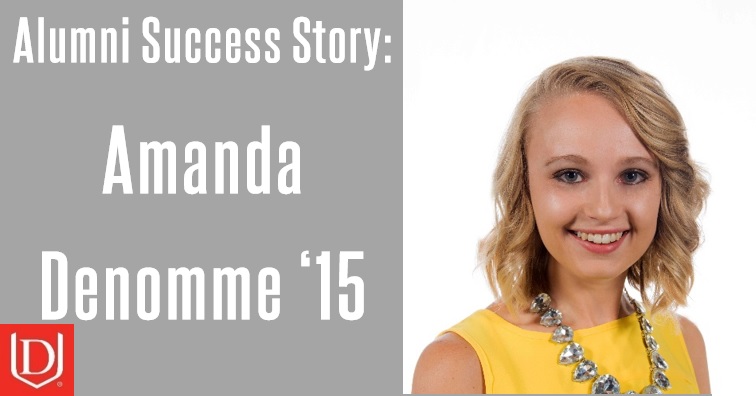
As a Digital Content Strategist for Dart Container, alumna Amanda Denomme ‘15 spends her days running around the Dart Container [...]
Latest Stories
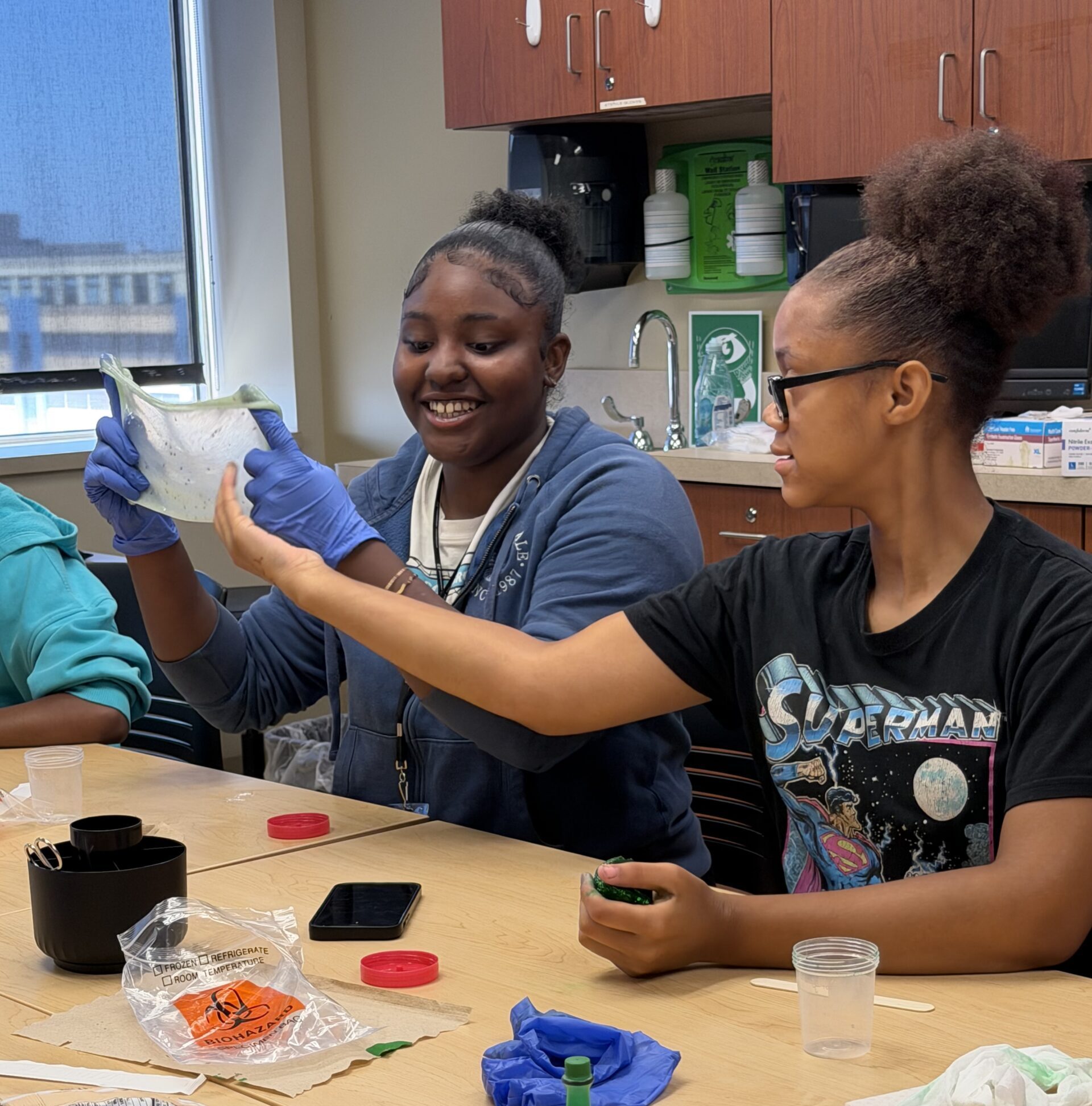
Davenport University is hoping to help solve the nursing shortage by starting early. Middle school students from the Lansing [...]

Cute and cuddly two- and four-legged guests were welcomed to Davenport University’s W.A. Lettinga Grand Rapids Campus recently for its [...]
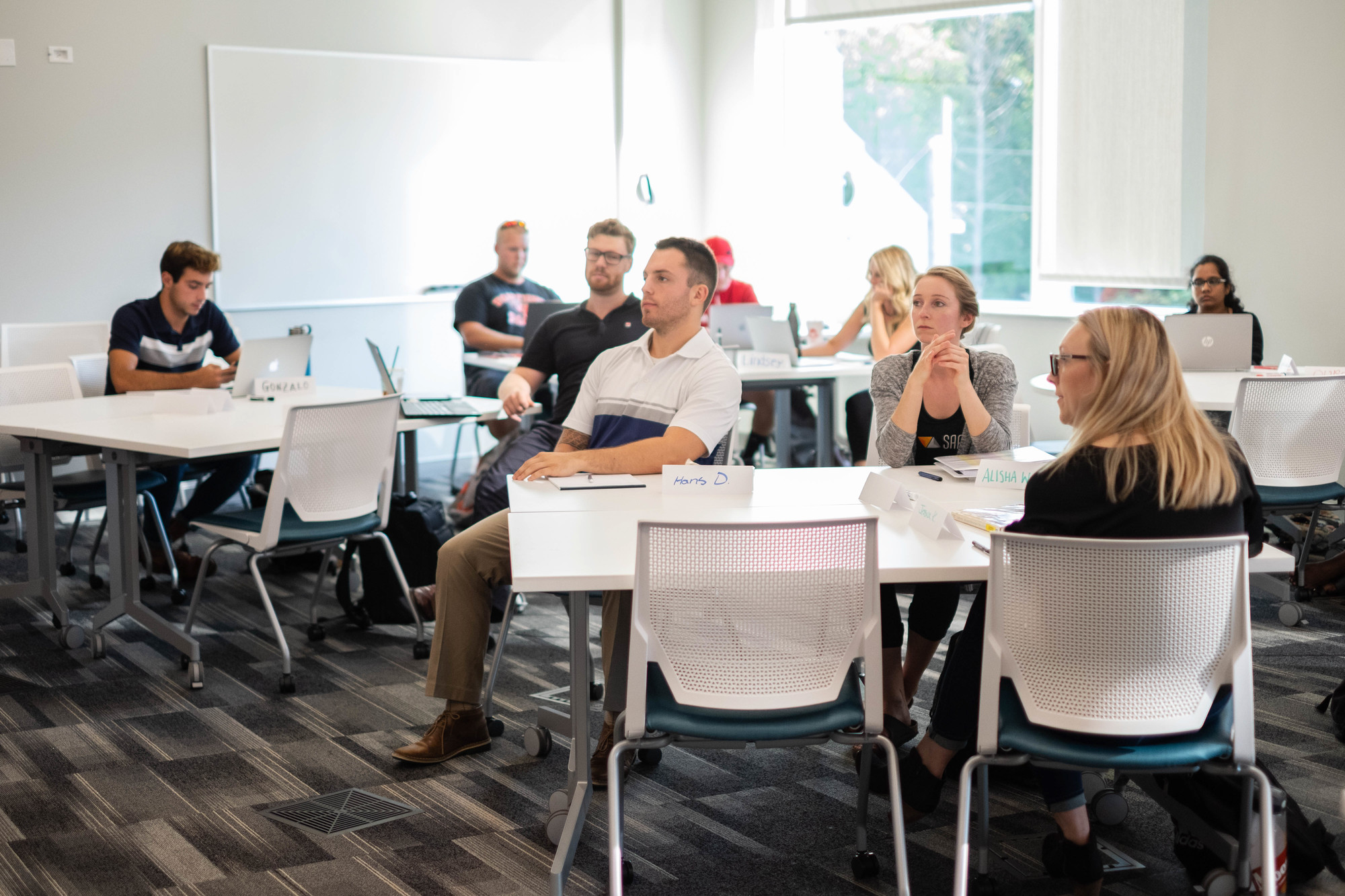
This story is one in a series about Davenport saving students time and money Click here to learn more about [...]