
 This Insights piece is authored by Chris Hamstra, a professor at Davenport University
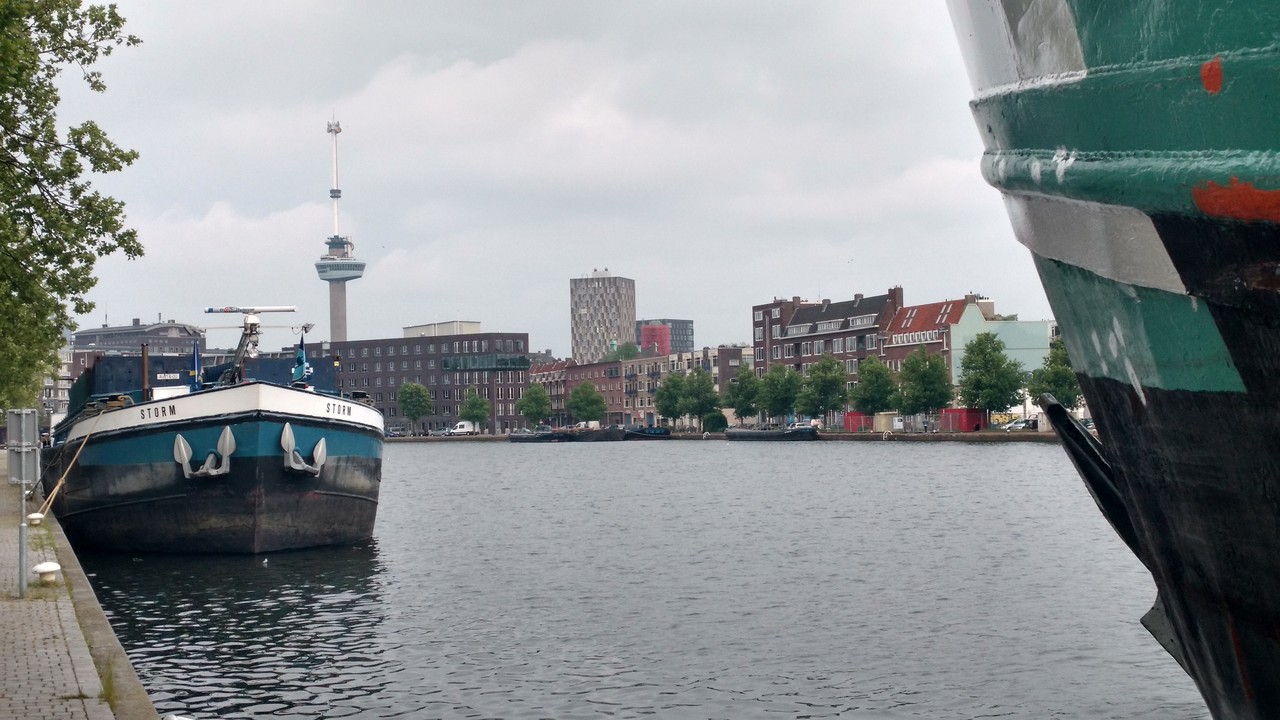
I recently spent a week in Rotterdam, Netherlands, serving as a visiting lecturer at the Rotterdam University of Applied Sciences. This opportunity was supported by a grant from the M.E. Davenport Legacy Endowment Fund.
Part of my role was to share my perspectives on leadership life stories. Leadership life-stories are a pivotal time where an individual confronts a formative experience and then shares this learning with another person through a story. Through the process of listening to and sharing stories, meaning is co-created for personal identity and/or professional meaning.
In my mind, as we travel life and work out our leadership life-stories, we have a baseline understanding, a common meaning that develops in interaction with others. But what happens when those stories, and the meaning contained in them, are ripped apart?
Rotterdam exemplifies the idea of redefining our leadership life-stories through tumultuous times and the opportunity for new beginnings.
As I understand this area in South Holland has settlements tracing back to 900 A.D. Development continued through history with a strong maritime emphasis in the 1500s and 1600s. This steady development of shipping and trade continued up to the 1940s.
During World War II, Rotterdam was flattened. It has been said that no event in the history of this city left a deeper mark or scar. The medieval heart of the city was almost completely destroyed. A basic plan, much criticized, was implemented to redesign the city for new beginnings. What could be saved from pre-WWII was saved and rebuilt. What could not be saved was redesigned. This process continued with adjustments through the 1970s and 1980s. Today the city is known for the innovative architecture, modern skyline, and a city center that continues to grow.
Just like Rotterdam there are individual stories of destruction and flattening.
I remember hearing a story of an individual that was going through a difficult break up in their personal life. A 20-year history that was forged through conversation and interaction was not true. Over the course of a few short weeks, hidden confessions surfaced and truths were shared that destroyed meaning developed over two decades. No event in the history of this individual has left a deeper mark or scar.
How do leadership life-stories engage this scar that is left? How do leadership life-stories help individuals that have been flattened and destroyed?
I would like to suggest three ideas for communities or individuals who engage leadership life-stories to develop meaning in tumultuous times.
1. Leadership life-stories are most effective when they hinge on an overarching story of meaning.
For me, that overarching story comes from my faith. My personal leadership life-story has been developed through my personal relationship with the Lord. It is through this unchanging truth that I can find meaning in the confusing times of destruction. This faith relationship helps me focus on a primary value as I interact with the personal and physical challenges.
2. Leadership life-stories are most effective when they provide vision.
In the case of Rotterdam, the rebuilding process after WWII was not easy. There was still complaining and tough questions that needed to be answered. Spending the time to listen and understand the variety of concerns voiced by the groups is vital.
3. Leadership life-stories are most effective when they provide space, in our thinking and in our actions.
Leadership life-stories are a shift in thinking to take the time and create the space for communities and individuals to sort through the process, to build or rebuild meaning. The tough part for me is the understanding that some may decide not to engage or decide to not rebuild.
Leadership life-stories are a shift in thinking about the physical space as well. In the case of Rotterdam, the community decided to save some of the pre-war neighborhoods while also building new neighborhoods and communities. The old and destroyed places add a level of character and understanding that informs the new place.
This city decided to rebuild, reconstruct, and reconcile with their past. I wonder how this leadership life-story engages you?
View Hamstra’s personal blog posts about this experience on LinkedIn:
Share This Story!
This Insights piece is authored by Chris Hamstra, a professor at Davenport University
I recently spent a week in Rotterdam, Netherlands, serving as a visiting lecturer at the Rotterdam University of Applied Sciences. This opportunity was supported by a grant from the M.E. Davenport Legacy Endowment Fund.
Part of my role was to share my perspectives on leadership life stories. Leadership life-stories are a pivotal time where an individual confronts a formative experience and then shares this learning with another person through a story. Through the process of listening to and sharing stories, meaning is co-created for personal identity and/or professional meaning.
In my mind, as we travel life and work out our leadership life-stories, we have a baseline understanding, a common meaning that develops in interaction with others. But what happens when those stories, and the meaning contained in them, are ripped apart?
Rotterdam exemplifies the idea of redefining our leadership life-stories through tumultuous times and the opportunity for new beginnings.
As I understand this area in South Holland has settlements tracing back to 900 A.D. Development continued through history with a strong maritime emphasis in the 1500s and 1600s. This steady development of shipping and trade continued up to the 1940s.
During World War II, Rotterdam was flattened. It has been said that no event in the history of this city left a deeper mark or scar. The medieval heart of the city was almost completely destroyed. A basic plan, much criticized, was implemented to redesign the city for new beginnings. What could be saved from pre-WWII was saved and rebuilt. What could not be saved was redesigned. This process continued with adjustments through the 1970s and 1980s. Today the city is known for the innovative architecture, modern skyline, and a city center that continues to grow.
Just like Rotterdam there are individual stories of destruction and flattening.
I remember hearing a story of an individual that was going through a difficult break up in their personal life. A 20-year history that was forged through conversation and interaction was not true. Over the course of a few short weeks, hidden confessions surfaced and truths were shared that destroyed meaning developed over two decades. No event in the history of this individual has left a deeper mark or scar.
How do leadership life-stories engage this scar that is left? How do leadership life-stories help individuals that have been flattened and destroyed?
I would like to suggest three ideas for communities or individuals who engage leadership life-stories to develop meaning in tumultuous times.
1. Leadership life-stories are most effective when they hinge on an overarching story of meaning.
For me, that overarching story comes from my faith. My personal leadership life-story has been developed through my personal relationship with the Lord. It is through this unchanging truth that I can find meaning in the confusing times of destruction. This faith relationship helps me focus on a primary value as I interact with the personal and physical challenges.
2. Leadership life-stories are most effective when they provide vision.
In the case of Rotterdam, the rebuilding process after WWII was not easy. There was still complaining and tough questions that needed to be answered. Spending the time to listen and understand the variety of concerns voiced by the groups is vital.
3. Leadership life-stories are most effective when they provide space, in our thinking and in our actions.
Leadership life-stories are a shift in thinking to take the time and create the space for communities and individuals to sort through the process, to build or rebuild meaning. The tough part for me is the understanding that some may decide not to engage or decide to not rebuild.
Leadership life-stories are a shift in thinking about the physical space as well. In the case of Rotterdam, the community decided to save some of the pre-war neighborhoods while also building new neighborhoods and communities. The old and destroyed places add a level of character and understanding that informs the new place.
This city decided to rebuild, reconstruct, and reconcile with their past. I wonder how this leadership life-story engages you?
View Hamstra’s personal blog posts about this experience on LinkedIn:
Share This Story!
Stay connected!
Get the latest Davenpost News delivered to your inbox!
Related Stories
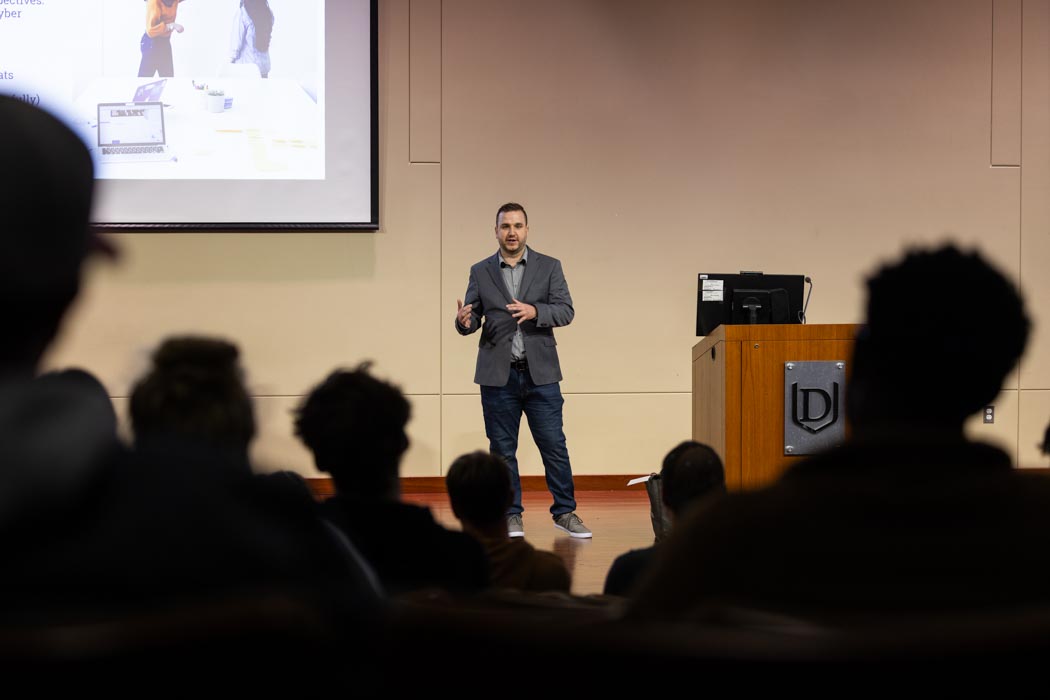
Davenport University hosted its second annual Cybersecurity Summit at its W.A. Lettinga Grand Rapids Campus October 16 as part of National [...]
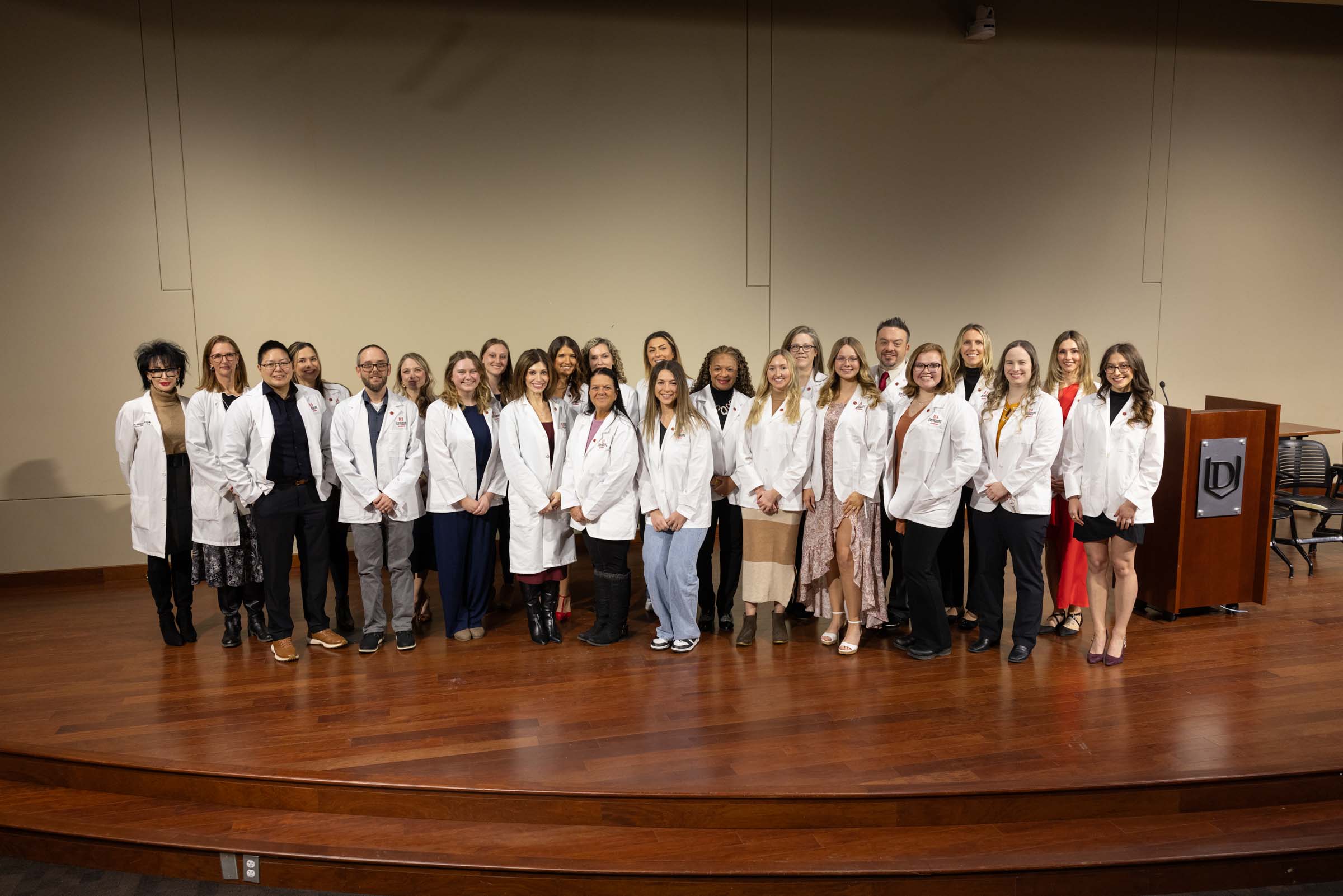
Davenport University held its annual White Coat Ceremony on February 5 to recognize the achievements of 24 nurse practitioner students [...]

A recent study by the Michigan Health and Hospital Association confirms the extent of the nursing shortage that has been [...]
Latest Stories
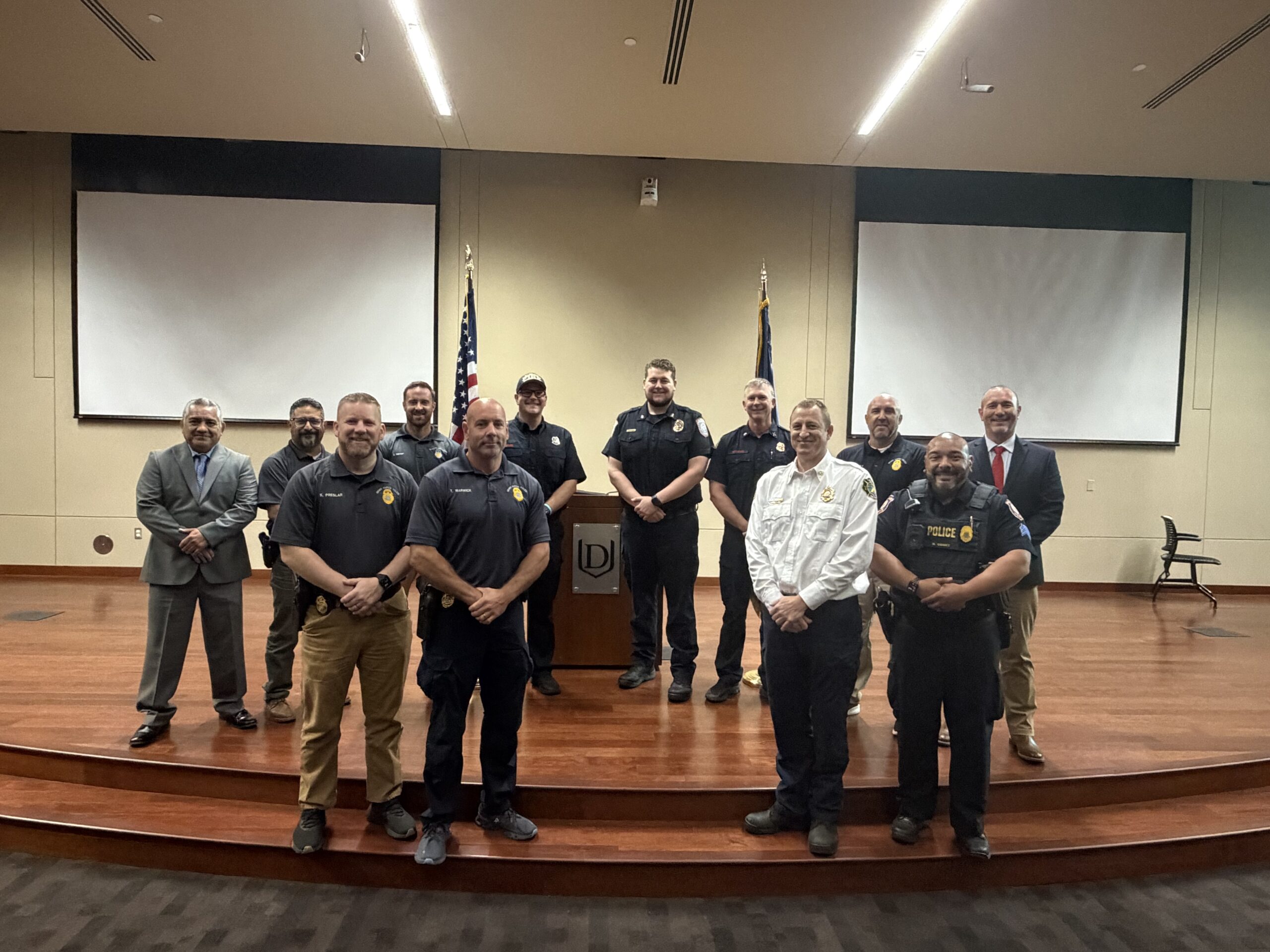
First responders gathered at Davenport University’s W.A. Lettinga Grand Rapids Campus this summer as the initial cohort of its First [...]

An academic scholarship led Avery Conran to Davenport University, but it was networking and her campus job that led to [...]

In many ways, summer is still in full swing, but soon Davenport University, with campus locations across Michigan, will come [...]